Introduction
In the vast tapestry of traditional herbal medicine and culinary practices, certain ingredients stand out for their humble origins yet remarkable properties. Imperata cylindrica root, commonly known as white rhizome grass (bai gen gen in Chinese, jari-jari in Malay, or cogon grass in English), is one such overlooked treasure. For centuries, this slender, white root has been a staple in Asian traditional medicine, valued for its cooling, detoxifying, and healing properties. Today, as interest in natural wellness and functional foods grows, white rhizome root is gaining global attention for its nutritional profile and potential health benefits. This article explores the nutritional composition of white rhizome root, its evidence-based health benefits, and important precautions for safe consumption.
Nutritional Value of White Rhizome Root
White rhizome root is not a calorie-dense food, but its true value lies in its rich array of bioactive compounds, minerals, and antioxidants that support overall health.
1. Bioactive Compounds
The root’s primary active constituents are flavonoids, glycosides, and phenolic acids, which contribute to its medicinal properties. Notably, it contains imperatin, a unique glycoside, and high levels of triterpenoids, which exhibit anti-inflammatory and antioxidant effects. These compounds help neutralize free radicals—unstable molecules that cause oxidative stress and cellular damage—making the root a potent ally in chronic disease prevention.
2. Mineral Content
White rhizome root is a good source of essential minerals, including potassium, calcium, magnesium, and iron. Potassium, in particular, plays a critical role in regulating blood pressure and fluid balance, while calcium and magnesium support bone health and muscle function. Iron is vital for oxygen transport in the blood, making the root beneficial for individuals with mild iron-deficiency anemia.
3. Vitamins and Amino Acids
Though not a primary source of vitamins, the root contains small amounts of vitamin C, a powerful antioxidant that boosts immune function and skin health. It also provides essential amino acids like lysine and leucine, which are building blocks for protein synthesis and muscle repair.
4. Dietary Fiber
As a root vegetable, white rhizome root is rich in dietary fiber, particularly inulin, a type of soluble fiber that promotes gut health. Fiber aids digestion, prevents constipation, and serves as a prebiotic, nourishing beneficial gut bacteria and supporting a balanced microbiome.
Health Benefits and Medicinal Properties
White rhizome root’s nutritional composition underpins its wide range of health benefits, which have been documented in both traditional medicine and modern scientific research.
1. Cooling and Detoxification
In Traditional Chinese Medicine (TCM), white rhizome root is classified as a "cooling" herb, used to clear "heat" from the body—particularly in the lungs, stomach, and blood. It is commonly prescribed for conditions like fever, sore throat, and heatstroke. Modern studies suggest its diuretic properties help flush toxins from the body by increasing urine output, reducing the burden on the kidneys and liver. A 2018 study published in the Journal of Ethnopharmacology confirmed that triterpenoids in the root enhance liver detoxification enzymes, supporting its traditional use as a detoxifying agent.
2. Anti-Inflammatory and Antioxidant Effects
Chronic inflammation is a root cause of many diseases, including arthritis, diabetes, and heart disease. White rhizome root’s flavonoids and phenolic acids inhibit pro-inflammatory enzymes like COX-2, reducing inflammation throughout the body. Its antioxidant capacity, measured by high ORAC (Oxygen Radical Absorbance Capacity) values, helps protect cells from oxidative damage. Research indicates these properties may lower the risk of age-related cognitive decline and neurodegenerative diseases like Alzheimer’s.
3. Urinary Tract and Kidney Health
Traditionally, white rhizome root has been used to treat urinary tract infections (UTIs), edema (swelling), and kidney stones. Its diuretic effect increases urine flow, helping to flush out bacteria and prevent mineral buildup in the kidneys. A 2020 study in Phytotherapy Research found that the root extract reduced urinary calcium excretion in rats, suggesting it may prevent kidney stone formation. Additionally, its anti-inflammatory properties soothe the urinary tract, alleviating symptoms like pain and burning during urination.
4. Immune System Support
The combination of vitamin C, flavonoids, and polysaccharides in white rhizome root enhances immune function. Vitamin C stimulates the production of white blood cells, while flavonoids modulate immune responses to prevent excessive inflammation. Polysaccharides act as immunomodulators, strengthening the body’s defense against pathogens. Regular consumption may reduce the frequency and severity of colds and infections.
5. Skin Health and Anti-Aging
White rhizome root’s antioxidant and anti-inflammatory benefits extend to the skin. By neutralizing free radicals, it protects skin cells from UV damage and pollution, reducing signs of aging like wrinkles and dark spots. Triterpenoids in the root also promote collagen synthesis, improving skin elasticity and firmness. In TCM, it is often used to treat skin conditions like acne and eczema, thanks to its ability to reduce inflammation and detoxify the blood.
6. Digestive Health
The fiber and prebiotics in white rhizome root support a healthy digestive system. Soluble fiber slows down digestion, stabilizing blood sugar levels and preventing spikes after meals. Prebiotics feed beneficial gut bacteria, such as Lactobacillus and Bifidobacterium, which enhance nutrient absorption and reduce the risk of digestive disorders like irritable bowel syndrome (IBS). Its mild laxative effect also relieves constipation, promoting regular bowel movements.
Culinary Uses and Preparation
While white rhizome root is primarily consumed as a medicinal herb, it is also used in culinary applications, particularly in Asian cuisine. The root has a mild, slightly sweet flavor with a crisp texture, making it versatile in both sweet and savory dishes.
1. Teas and Infusions
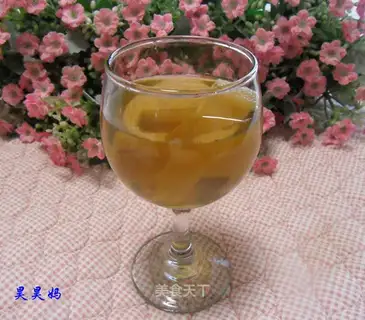
The most common use of white rhizome root is in teas. Dried or fresh roots are simmered in water for 10–15 minutes to create a light, refreshing beverage. Often, other ingredients like chrysanthemum, honeysuckle, or rock sugar are added to enhance its cooling effects.
2. Soups and Broths
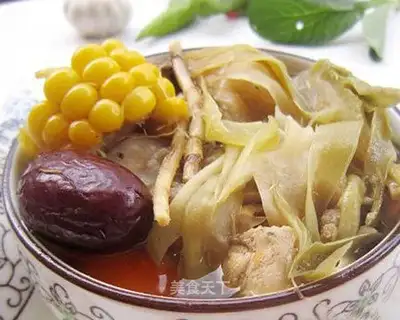
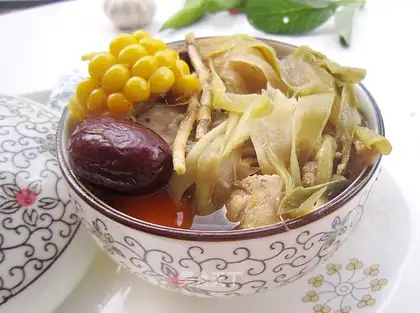
In Chinese and Vietnamese cooking, white rhizome root is added to soups and broths, particularly during hot summer months. It pairs well with ingredients like pork bones, chicken, or mung beans, creating a nourishing dish that cools the body and replenishes fluids.
3. Desserts and Snacks
The root can be candied or boiled with sugar to make sweet treats. In Korea, it is sometimes used in traditional desserts like hangwa (confectionery), where it provides a chewy texture and subtle sweetness.
4. Powdered Supplements
For convenience, white rhizome root is also available as a powdered supplement, which can be mixed into smoothies, juices, or oatmeal. This form retains most of the root’s bioactive compounds, making it an easy way to incorporate its benefits into a modern diet.
Precautions and Potential Side Effects
While white rhizome root is generally safe for most people when consumed in moderation, there are important precautions to consider to avoid adverse effects.
1. Pregnancy and Breastfeeding
Pregnant and breastfeeding women should consult a healthcare provider before using white rhizome root. Its diuretic properties may increase urine output, potentially leading to dehydration if fluid intake is not adequate. Additionally, there is limited research on its safety during pregnancy, so caution is advised.
2. Kidney Disease
Individuals with kidney disease or impaired kidney function should avoid white rhizome root, as its diuretic effect may put additional strain on the kidneys. Excessive potassium levels (hyperkalemia) could also occur, which is dangerous for those with kidney disorders.
3. Low Blood Pressure
The root’s potassium content and diuretic properties may lower blood pressure further. People with hypotension (low blood pressure) should consume it cautiously, as it may cause dizziness, lightheadedness, or fainting.
4. Drug Interactions
White rhizome root may interact with certain medications, particularly diuretics, blood pressure drugs, and blood thinners. For example, combining it with diuretics could increase the risk of electrolyte imbalances, while mixing it with blood thinners may enhance their effects, raising the risk of bleeding. It is essential to consult a doctor if taking any medications regularly.
5. Allergic Reactions
Although rare, some individuals may be allergic to white rhizome root. Symptoms include rash, itching, swelling, or difficulty breathing. Those with known allergies to grasses or other plants in the Poaceae family (e.g., wheat, barley) should be particularly cautious.
6. Dosage and Moderation
As with any herbal remedy, moderation is key. Excessive consumption (more than 10–15 grams of dried root per day) may lead to side effects such as stomach upset, diarrhea, or electrolyte imbalances. It is best to start with small doses and gradually increase as tolerated.
Conclusion
White rhizome root is a nutritional and medicinal powerhouse, offering a unique blend of antioxidants, minerals, and bioactive compounds that support detoxification, inflammation reduction, immune function, and more. Its versatility in culinary applications—from teas to soups—makes it accessible for daily use, while its long history in traditional medicine underscores its safety and efficacy when used appropriately.
However, as with any natural remedy, it is important to approach white rhizome root with awareness of its potential risks. By consulting a healthcare provider, moderating intake, and considering individual health conditions, anyone can harness its benefits safely. As modern science continues to validate traditional wisdom, white rhizome root is poised to become a staple in the global wellness landscape, offering a simple yet powerful way to enhance health and vitality.
In a world where synthetic medications often dominate, the humble white rhizome root reminds us that nature holds profound solutions—waiting to be discovered, appreciated, and integrated into our lives with care and respect.