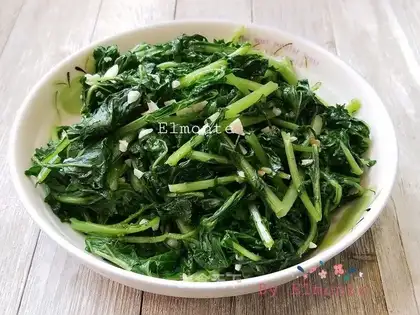
In the diverse world of leafy vegetables, few are as unique and nutritionally dense as kyosai (京菜), also known as Japanese spinach or kyona (京菜). Belonging to the Brassicaceae family, this vibrant green has been a staple in Japanese cuisine for centuries, prized for its crisp texture, mild flavor, and exceptional health benefits. Often mistaken for regular spinach, kyosai stands out with its slender, jagged leaves and pale green stems, offering a culinary and nutritional experience unlike any other. This article explores the rich nutritional profile of kyosai, its scientifically supported health benefits, and important considerations for consumption to ensure safe and optimal use.
Nutritional Profile: A Treasure Trove of Essential Nutrients
Kyosai is a low-calorie, nutrient-dense vegetable, making it an ideal choice for health-conscious individuals. A 100-gram serving of fresh kyosai contains approximately 20-30 calories, yet it is packed with vitamins, minerals, antioxidants, and dietary fiber.
Vitamins: The Foundation of Health
- Vitamin K: Kyosai is one of the richest plant-based sources of vitamin K, with a 100-gram serving providing around 500–600 micrograms (mcg), which is over 400% of the daily recommended intake. Vitamin K is crucial for blood clotting and bone metabolism, as it helps activate proteins that regulate calcium in bones and prevent arterial calcification.
- Vitamin A: As a precursor to beta-carotene, kyosai offers significant amounts of vitamin A, essential for vision, immune function, and skin health. The vegetable’s bright green color indicates high levels of carotenoids, which convert to vitamin A in the body and act as antioxidants to combat oxidative stress.
- Vitamin C: Kyosai contains 30–40 mg of vitamin C per 100 grams, about 50% of the daily requirement. This vitamin is a powerful antioxidant that boosts immune defense, supports collagen synthesis, and enhances iron absorption from plant-based sources.
- Folate (Vitamin B9): With 80–100 mcg per 100 grams, kyosai is a good source of folate, vital for DNA synthesis, cell division, and fetal development during pregnancy. Adequate folate intake is also linked to a reduced risk of cardiovascular disease.
Minerals: Building Blocks of Vitality
- Calcium: Despite being a plant, kyosai provides 50–70 mg of calcium per 100 grams, contributing to bone and teeth health. While not as high as dairy products, its calcium is accompanied by vitamin K, which enhances absorption and utilization.
- Iron: Kyosai contains 1.5–2 mg of iron per 100 grams, a mineral essential for oxygen transport in the blood and energy production. The vitamin C in kyosai enhances non-heme iron absorption, making it more bioavailable than from iron-rich plant foods alone.
- Potassium: With 200–300 mg per 100 grams, kyosai helps regulate blood pressure, fluid balance, and muscle function. Potassium counteracts the effects of sodium, reducing the risk of hypertension and stroke.
- Magnesium: This mineral (20–30 mg per 100 grams) plays a role in over 300 enzymatic reactions, including energy metabolism, muscle relaxation, and blood sugar control.
Antioxidants and Phytochemicals: Nature’s Defense System
Kyosai is rich in bioactive compounds that protect against chronic diseases:
- Glucosinolates: These sulfur-containing compounds, found in all cruciferous vegetables, break down into isothiocyanates (e.g., sulforaphane) when chewed. Isothiocyanates have potent anti-inflammatory, anticancer, and antimicrobial properties. Studies suggest they inhibit the growth of cancer cells, particularly in the colon, lungs, and breast.
- Flavonoids: Kyosai contains quercetin and kaempferol, flavonoids that reduce oxidative stress, lower inflammation, and support cardiovascular health. Quercetin, in particular, has been shown to improve blood vessel function and reduce allergy symptoms.
- Dietary Fiber: With 2–3 grams per 100 grams, kyosai promotes digestive health by preventing constipation, feeding beneficial gut bacteria, and regulating blood sugar levels. Fiber also increases satiety, aiding in weight management.
Health Benefits: Backed by Science
The combination of nutrients and phytochemicals in kyosai translates to a range of evidence-based health benefits:
1. Supports Bone Health
The high levels of vitamin K and calcium in kyosai work synergistically to maintain bone density. Vitamin K activates osteocalcin, a protein that binds calcium to the bone matrix, reducing the risk of osteoporosis and fractures. A study published in the Journal of Bone and Mineral Research found that individuals with higher vitamin K intake had a 35% lower risk of hip fractures.
2. Enhances Immune Function
Vitamin C and flavonoids in kyosai strengthen the immune system by stimulating the production of white blood cells and neutralizing free radicals. Research indicates that regular consumption of vitamin C-rich foods reduces the duration and severity of respiratory infections, such as the common cold.
3. Promotes Heart Health
Kyosai’s potassium and fiber content help regulate blood pressure and cholesterol levels. Potassium balances sodium levels, while fiber binds to LDL (“bad”) cholesterol, preventing its absorption in the bloodstream. Additionally, sulforaphane reduces inflammation in blood vessels, improving endothelial function and lowering the risk of atherosclerosis.
4. Aids in Weight Management
Low in calories but high in fiber and water, kyosai is an excellent food for weight loss. Fiber slows digestion, keeping you full longer and reducing overall calorie intake. A study in Appetite found that consuming fiber-rich vegetables before meals led to a 12% reduction in calorie consumption at subsequent meals.
5. Provides Anticancer Protection
Glucosinolates in kyosai convert to isothiocyanates, which have been shown to inhibit tumor growth and metastasis. Sulforaphane, in particular, activates detoxification enzymes in the liver, helping to eliminate carcinogens. A review in Nature Reviews Cancer highlighted that cruciferous vegetables like kyosai are associated with a 15–20% lower risk of colorectal cancer.
6. Improves Digestive Health
The fiber in kyosai supports a healthy gut microbiome by acting as a prebiotic, feeding beneficial bacteria like Lactobacillus and Bifidobacterium. These bacteria produce short-chain fatty acids (SCFAs), which reduce inflammation, strengthen the gut barrier, and protect against conditions like irritable bowel syndrome (IBS) and colon cancer.
食用禁忌 (Precautions and Contraindications)
While kyosai is highly nutritious, certain precautions must be taken to avoid adverse effects, particularly for individuals with specific health conditions:
1. Vitamin K Interactions with Blood Thinners
Kyosai’s exceptionally high vitamin K content can interfere with blood-thinning medications like warfarin (Coumadin). Vitamin K promotes blood clotting, and sudden increases in intake can counteract the effects of anticoagulants, raising the risk of blood clots. Individuals on warfarin should maintain consistent vitamin K intake and consult their doctor before adding kyosai to their diet.
2. Goitrogenic Effects
Like other cruciferous vegetables, kyosai contains goitrogens—compounds that can interfere with thyroid function by inhibiting the uptake of iodine. While cooking significantly reduces goitrogen levels, individuals with hypothyroidism or iodine deficiency should consume kyosai in moderation. Cooking methods like steaming or boiling are recommended to minimize goitrogen activity.
3. Oxalate Content
Kyosai contains moderate amounts of oxalates, compounds that can contribute to kidney stone formation in susceptible individuals. Those with a history of calcium oxalate kidney stones should limit their intake and ensure adequate hydration. Cooking kyosai can reduce oxalate levels by 10–15%.
4. Pesticide Residues
As with leafy greens, kyosai may contain pesticide residues if not grown organically. To minimize exposure, choose certified organic kyosai and wash it thoroughly under running water before consumption. Soaking in a solution of water and vinegar (1:10 ratio) for 10–15 minutes can further remove residues.
5. Allergic Reactions
Though rare, some individuals may be allergic to cruciferous vegetables, experiencing symptoms like itching, swelling, or digestive discomfort. Those with known allergies to broccoli, cabbage, or spinach should exercise caution when trying kyosai for the first time.
Culinary Uses: Incorporating Kyosai into Your Diet
Kyosai’s mild, slightly sweet flavor and crunchy texture make it versatile in the kitchen. Here are some popular ways to enjoy it:
- Raw: Add young kyosai leaves to salads, sandwiches, or wraps for a crisp, nutrient boost.
- Stir-fries: Sauté kyosai with garlic, ginger, and tofu for a quick, healthy side dish.
- Soups: Add kyosai to miso soup or ramen in the last minute of cooking to retain its nutrients and texture.
- Smoothies: Blend a handful of kyosai with fruits like banana and pineapple for a nutrient-packed smoothie.
- Pickling: Marinate kyosai in rice vinegar, soy sauce, and sesame seeds for a tangy pickle that pairs well with rice and grilled meats.
Conclusion
Kyosai is a nutritional powerhouse that offers a wide range of health benefits, from bone support and immune enhancement to cancer prevention and weight management. Its rich profile of vitamins, minerals, antioxidants, and phytochemicals makes it a valuable addition to a balanced diet. However, like all foods, it should be consumed mindfully, particularly by individuals on blood thinners, those with thyroid issues, or those prone to kidney stones. By understanding its nutritional value and precautions, you can harness the full potential of this remarkable Japanese green and elevate both your health and culinary repertoire. Whether enjoyed raw, stir-fried, or blended, kyosai is a delicious and versatile way to nourish your body and delight your taste buds.