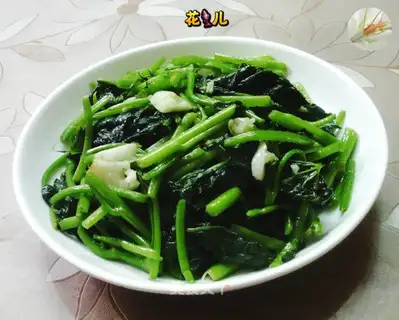
For centuries, sweet potatoes (Ipomoea batatas) have been celebrated worldwide for their nutritious tubers, but their leaves—often discarded as agricultural waste—remain an underutilized superfood. Commonly known as camote tops in the Philippines, kangkong in Southeast Asia, or simply sweet potato greens in Western countries, the leaves of this versatile plant are packed with vitamins, minerals, antioxidants, and bioactive compounds that offer remarkable health benefits. Once considered a "poor man’s vegetable," sweet potato leaves have now gained global attention as a functional food, endorsed by nutritionists and health enthusiasts alike. This article explores the nutritional profile, health-promoting properties, culinary uses, and important precautions associated with sweet potato leaves, shedding light on why this humble green deserves a place in modern diets.
Nutritional Profile: A Green Goldmine
Sweet potato leaves are a nutritional powerhouse, rivaling other leafy greens like spinach and kale in terms of density and diversity of nutrients. They are low in calories (approximately 90 kcal per 100 grams) but rich in essential vitamins, minerals, dietary fiber, and plant-based proteins.
Vitamins
- Vitamin A (Beta-Carotene): Sweet potato leaves are one of the richest plant sources of beta-carotene, a precursor to vitamin A. A 100-gram serving provides over 300% of the daily recommended intake (DRI) of vitamin A, which is critical for vision, immune function, and skin health.
- Vitamin C: These leaves contain high levels of vitamin C (about 30 mg per 100 grams), an antioxidant that boosts collagen production, enhances iron absorption, and protects cells from oxidative stress.
- Vitamin B Complex: They are a good source of folate (vitamin B9), essential for DNA synthesis and cell division, particularly important during pregnancy. Additionally, they contain vitamin B6, niacin, and riboflavin, which support energy metabolism and nervous system health.
- Vitamin K: Abundant in vitamin K (approximately 500% of DRI per 100 grams), sweet potato leaves play a vital role in blood clotting and bone metabolism.
Minerals
- Iron: With about 2.5 mg of iron per 100 grams, sweet potato leaves are an excellent plant-based source of this mineral, which is crucial for oxygen transport and preventing anemia. The presence of vitamin C in the leaves enhances iron absorption, addressing a common limitation of plant-based diets.
- Calcium: These leaves provide around 300 mg of calcium per 100 grams, contributing to bone and teeth health.
- Potassium: High in potassium (around 500 mg per 100 grams), they help regulate blood pressure, fluid balance, and muscle function.
- Magnesium and Zinc: They also contain smaller amounts of magnesium (for muscle and nerve function) and zinc (for immune support).
Protein and Fiber
Sweet potato leaves are a surprising source of plant-based protein, containing about 3–4 grams per 100 grams. They are also rich in dietary fiber (3–4 grams per 100 grams), which aids digestion, promotes satiety, and supports gut health by feeding beneficial gut bacteria.
Antioxidants and Bioactive Compounds
Beyond macronutrients, sweet potato leaves are loaded with antioxidants, including polyphenols, flavonoids, and anthocyanins (in purple-leafed varieties). These compounds combat oxidative stress, reduce inflammation, and may lower the risk of chronic diseases. Notably, studies have identified unique proteins in sweet potato leaves, such as sporamin, which exhibit antioxidant and anti-cancer properties.
Health Benefits: More Than Just a Leaf
The combination of nutrients and bioactive compounds in sweet potato leaves translates to a wide range of health benefits, backed by scientific research and traditional use.
1. Supports Immune Function
The high levels of vitamin A, C, and zinc make sweet potato leaves a natural immune booster. Vitamin A maintains the integrity of mucosal barriers (e.g., respiratory and digestive tracts), while vitamin C enhances the activity of white blood cells. Zinc, meanwhile, regulates immune cell development and function. Regular consumption may help reduce the severity and duration of infections like colds and flu.
2. Regulates Blood Sugar and Diabetes Management
Sweet potato leaves have been traditionally used in folk medicine to manage diabetes, and modern studies confirm their potential. They contain compounds like polysaccharides and flavonoids that inhibit enzymes (e.g., alpha-amylase and alpha-glucosidase) involved in carbohydrate digestion, slowing down sugar absorption and preventing post-meal blood sugar spikes. A 2015 study published in Journal of Medicinal Food found that sweet potato leaf extract improved insulin sensitivity in diabetic rats, suggesting promise for human diabetes management.
3. Promotes Heart Health
The potassium and fiber in sweet potato leaves contribute to cardiovascular health. Potassium counteracts the effects of sodium, lowering blood pressure and reducing the risk of hypertension. Fiber, particularly soluble fiber, helps lower LDL ("bad") cholesterol levels, preventing plaque buildup in arteries. Additionally, antioxidants like polyphenols reduce inflammation and oxidative stress, both key factors in heart disease development.
4. Enhances Digestive Health
Dietary fiber in sweet potato leaves acts as a prebiotic, nourishing beneficial gut bacteria (e.g., Lactobacillus and Bifidobacterium) and promoting a balanced gut microbiome. This fiber also adds bulk to stool, preventing constipation and supporting regular bowel movements. Some studies suggest that the anti-inflammatory properties of sweet potato leaves may alleviate symptoms of inflammatory bowel diseases (IBD) like ulcerative colitis.
5. Aids Weight Management
Low in calories but high in fiber and protein, sweet potato leaves are an ideal food for weight control. Fiber promotes satiety, reducing overall calorie intake, while protein helps preserve muscle mass during weight loss. The leaves’ low glycemic index (GI) also prevents rapid spikes in blood sugar, which can trigger hunger and cravings.
6. Anti-Cancer Properties
Preliminary research indicates that sweet potato leaves may possess anti-cancer potential. The antioxidant sporamin has been shown to induce apoptosis (programmed cell death) in cancer cells, particularly in breast, lung, and colon cancers. Flavonoids and polyphenols in the leaves also inhibit the growth of tumors by blocking angiogenesis (the formation of new blood vessels that feed tumors) and reducing DNA damage.
7. Improves Skin and Eye Health
The high vitamin A content supports skin cell regeneration and repair, reducing acne, dryness, and signs of aging. Vitamin C, a cofactor for collagen synthesis, maintains skin elasticity and reduces wrinkles. For eye health, vitamin A prevents night blindness and age-related macular degeneration (AMD), while antioxidants like lutein and zeaxanthin (found in purple-leafed varieties) protect retinal cells from oxidative damage.
Culinary Uses: From Farm to Table
Sweet potato leaves are versatile and can be incorporated into a variety of dishes, offering a mild, slightly earthy flavor reminiscent of spinach or water spinach. Here are popular ways to enjoy them:
1. Stir-Fries and Sautés
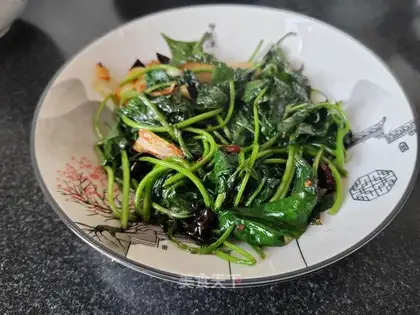
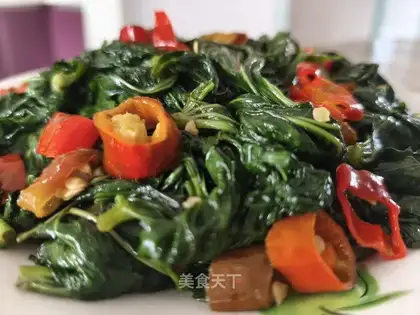
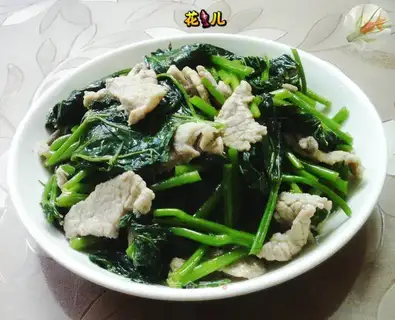
In Southeast Asia, sweet potato leaves are commonly stir-fried with garlic, ginger, and chili, often paired with tofu, shrimp, or pork. The leaves cook quickly (within 2–3 minutes) and retain their crispiness when not overcooked.
2. Soups and Stews
In Filipino cuisine, camote tops are boiled in soups with tamarind, onions, and fish sauce, creating a tangy and nutritious broth. They can also be added to lentil, chicken, or vegetable stews for an extra nutrient boost.
3. Salads and Smoothies
Young, tender sweet potato leaves can be eaten raw in salads, adding a fresh, green texture. For a nutrient-dense smoothie, blend them with fruits like banana, mango, and spinach, along with a liquid base such as coconut water or almond milk.
4. Steamed or Blanched
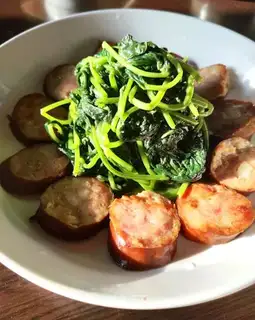
Steaming or blanching sweet potato leaves preserves their nutrients while softening their texture. They can be seasoned with lemon juice, olive oil, or soy sauce and served as a side dish.
5. Juices and Teas
Sweet potato leaf juice is popular in some regions for its detoxifying properties. The leaves can also be steeped in hot water to make a herbal tea, believed to reduce inflammation and improve digestion.
Precautions and Potential Side Effects
While sweet potato leaves are generally safe for most people, certain precautions should be taken to maximize their benefits and minimize risks:
1. Oxalate Content
Like other leafy greens (e.g., spinach), sweet potato leaves contain oxalates, compounds that can bind to calcium and form kidney stones in susceptible individuals. People with a history of kidney stones or oxalate-related issues should consume them in moderation and ensure adequate hydration. Cooking the leaves can reduce oxalate levels by 30–50%.
2. Pesticide Residues
Conventionally grown sweet potato leaves may be treated with pesticides, which can accumulate if not properly washed. Always choose organic or pesticide-free leaves when possible, and wash them thoroughly under running water before consumption.
3. Nitrate Levels
In some regions, sweet potato leaves are grown in nitrogen-rich soils, which may lead to high nitrate content. Excessive nitrate intake can be harmful, particularly for infants and pregnant women, as it may interfere with oxygen transport in the blood. Avoid feeding raw sweet potato leaves to infants and limit consumption of leaves from unknown sources.
4. Allergic Reactions
While rare, some individuals may be allergic to sweet potato leaves, experiencing symptoms like itching, swelling, or digestive discomfort. Those with known allergies to other plants in the Convolvulaceae family (e.g., morning glory) should exercise caution.
5. Medication Interactions
Sweet potato leaves may interact with blood thinners (e.g., warfarin) due to their high vitamin K content, which can affect clotting. Individuals taking such medications should consult a healthcare provider before regularly consuming large amounts of the leaves.
Conclusion
Sweet potato leaves are a nutritional and medicinal treasure, offering a sustainable and affordable way to enhance health. Their rich profile of vitamins, minerals, antioxidants, and bioactive compounds supports immune function, heart health, diabetes management, and more, making them a true superfood. As awareness grows, these leaves are transitioning from a "poor man’s food" to a celebrated ingredient in global cuisine. However, mindful consumption—washing thoroughly, cooking to reduce oxalates, and moderating intake for those with health concerns—is key to unlocking their full potential. By embracing sweet potato leaves, we not only improve our own health but also contribute to reducing food waste and promoting sustainable agriculture. As the saying goes, "the best medicine is often found in the most unexpected places"—and sweet potato leaves are a testament to this wisdom.