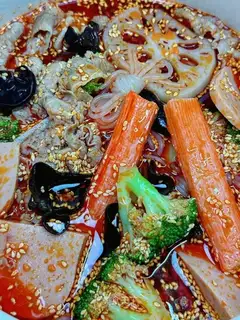
Surimi, a Japanese term meaning "ground meat," is a versatile seafood product crafted from finely minced fish flesh—typically whitefish like pollock, cod, or hake—washed, strained, and blended with stabilizers, sugars, and seasonings to mimic the texture and flavor of crab meat. Widely recognized as "krab sticks" or "crab sticks" in Western markets, surimi has transcended its cultural origins to become a global pantry staple. Its affordability, long shelf life, and adaptability make it a popular ingredient in salads, sushi rolls, soups, and snacks. However, despite its convenience, questions often arise about its nutritional value, health benefits, and potential risks. This article provides a comprehensive overview of surimi’s nutritional composition, health-promoting properties, and important consumption considerations.
Nutritional Profile of Surimi
Surimi’s nutritional profile is shaped by its primary ingredient—fish paste—and the additives used to enhance its texture and shelf life. A 100-gram serving of plain, unflavored surimi (approximately 5–6 sticks) typically contains:
- Protein: Surimi is a rich source of high-quality protein, providing 15–20 grams per 100 grams. Fish protein is complete, containing all nine essential amino acids (lysine, methionine, valine, etc.) that the body cannot synthesize independently. This makes it valuable for muscle repair, immune function, and overall tissue maintenance.
- Carbohydrates: Surimi is relatively low in carbohydrates, with most commercial varieties containing 5–10 grams per 100 grams. These carbs primarily come from added sugars (e.g., corn syrup, dextrose) and starches (e.g., tapioca or potato starch), which improve texture and extend freshness. "Low-sugar" or "no-sugar-added" options are available for health-conscious consumers.
- Fats: Surimi is naturally low in fat (1–3 grams per 100 grams), with most being unsaturated fats. However, some products may contain added hydrogenated oils or trans fats to enhance texture; checking labels for "partially hydrogenated oils" is advisable.
- Micronutrients: Surimi is a modest source of minerals like phosphorus (important for bone health), selenium (an antioxidant that supports thyroid function), and potassium (regulates blood pressure). It also contains small amounts of B vitamins, such as B12 (crucial for nerve function and red blood cell production), though levels vary by formulation.
- Additives: To maintain texture and prevent spoilage, surimi often includes additives such as sorbitol (a humectant), polyphosphates (retain moisture), and monosodium glutamate (MSG, a flavor enhancer). While these are generally recognized as safe (GRAS) by regulatory bodies like the FDA, some individuals may be sensitive to them.
Health Benefits of Surimi
When consumed as part of a balanced diet, surimi offers several health benefits, largely due to its protein content, low calorie count, and functional additives.
1. High-Quality Protein for Muscle and Metabolism
Protein is essential for building and repairing tissues, producing enzymes and hormones, and maintaining muscle mass—particularly important for athletes, older adults, and those recovering from illness. Surimi’s lean protein profile makes it an excellent alternative to fattier meats like beef or pork, supporting weight management by promoting satiety (fullness) without excess calories. A 100-gram serving of surimi provides roughly 30–40% of the average daily protein requirement for adults, making it a valuable addition to high-protein diets.
2. Weight Management Support
With only 80–120 calories per 100 grams, surimi is a low-energy-dense food that can help control calorie intake. Its high protein and low fat content contribute to feelings of fullness, reducing the likelihood of overeating. Additionally, replacing higher-calorie protein sources (e.g., processed meats) with surimi may support long-term weight loss or maintenance goals.
3. Heart Health
Surimi’s low saturated fat and cholesterol content make it a heart-healthy choice. The American Heart Association recommends consuming fish at least twice weekly for its omega-3 fatty acids, but surimi—being a processed fish product—contains minimal omega-3s (compared to whole fish like salmon or mackerel). However, its lack of harmful saturated fats and trans fats (in well-formulated products) aligns with heart-healthy dietary patterns. For individuals seeking to reduce red meat consumption, surimi offers a savory alternative that supports cardiovascular health.
4. Convenience and Nutritional Accessibility
Surimi’s long shelf life (up to 6 months when frozen, 3 months when refrigerated) and affordability make it accessible to diverse populations, including those in food deserts or with limited cooking resources. Its pre-cooked nature eliminates the need for complex preparation, encouraging consumption of seafood—a nutrient-dense food group—among busy individuals or novice cooks. Fortified varieties may also contain added nutrients like vitamin D or calcium, further enhancing their nutritional value.
Potential Risks and Consumption Considerations
While surimi offers several benefits, it is not without drawbacks. Understanding these risks is key to incorporating it into a healthy diet.
1. Additives and Sodium Content
Commercial surimi often contains high levels of sodium (300–600 mg per 100 grams) to enhance flavor and preserve freshness. Excessive sodium intake is linked to hypertension and an increased risk of cardiovascular disease. Individuals with high blood pressure or kidney disease should opt for low-sodium varieties or consume surimi in moderation. Additionally, some additives—such as MSG, carrageenan, or artificial colorings (e.g., red or yellow food dye to mimic crab color)—may trigger adverse reactions in sensitive individuals, such as headaches, flushing, or allergic responses.
2. Low Omega-3 Fatty Acids
Unlike whole fatty fish (e.g., salmon, sardines), surimi is made from lean whitefish, which are naturally low in omega-3s. Omega-3s (EPA and DHA) are anti-inflammatory fats that support brain health, reduce triglycerides, and lower the risk of chronic diseases. While surimi is not a significant source of omega-3s, it can still be part of a balanced diet that includes other omega-3-rich foods.
3. Allergen Concerns
Surimi is derived from fish, making it unsuitable for individuals with fish allergies. Cross-contamination is also a risk during processing, especially if shared equipment is used for shellfish or other allergens. Additionally, some surimi products contain wheat or soy as binders or fillers, posing risks to those with gluten or soy allergies. Always check labels for allergen warnings and consult a healthcare provider if unsure.
4. Nutrient Dilution
The processing of surimi—washing, straining, and adding starches and sugars—dilutes the nutrient density of the original fish. For example, whole fish like cod provide higher levels of vitamin B12, selenium, and omega-3s per serving than surimi. While surimi remains a source of protein and minerals, it should not be relied upon as a primary source of these nutrients.
5. Sustainability and Environmental Impact
Most surimi is made from pollock, a fish species targeted by large-scale industrial fishing. While the Alaska pollock fishery is certified as sustainable by the Marine Stewardship Council (MSC), overfishing and bycatch (unintended catch of other species) remain concerns. Environmentally conscious consumers may choose surimi products with MSC certification or explore alternatives made from sustainably sourced fish or plant-based "surimi" (e.g., from soy or pea protein).
How to Incorporate Surimi into a Healthy Diet
To maximize benefits and minimize risks, follow these tips for consuming surimi:
- Choose Wisely: Opt for low-sodium, low-sugar varieties with minimal additives. Look for "natural flavorings" and avoid products with hydrogenated oils.
- Portion Control: Limit intake to 1–2 servings (50–100 grams) per week to balance sodium and additive consumption.
- Pair with Nutrient-Rich Foods: Combine surimi with vegetables (e.g., in salads or sushi rolls), whole grains (e.g., in sushi bowls), or healthy fats (e.g., avocado) to enhance nutritional value.
- Whole Fish First: Prioritize whole fatty fish (e.g., salmon, tuna) for omega-3s and micronutrients, using surimi as an occasional convenience food.
Conclusion
Surimi is a versatile and affordable seafood product that offers high-quality protein, low calories, and convenience, making it a valuable addition to many diets. However, its nutritional value is tempered by additives, sodium, and the absence of omega-3s found in whole fish. By choosing minimally processed varieties, consuming it in moderation, and balancing it with nutrient-dense whole foods, individuals can enjoy surimi’s benefits while minimizing potential risks. As with any processed food, informed choices—guided by labels and dietary needs—are key to incorporating surimi into a healthy, sustainable lifestyle.