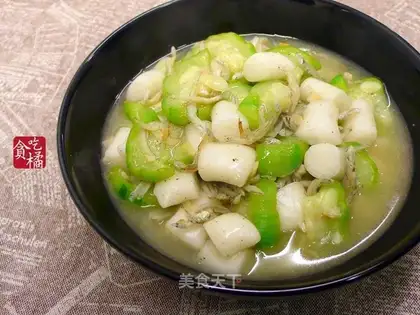
Anchovy fry, known as "kissi fish" or "sand lance" in some regions, are tiny, silvery fish often overlooked in favor of larger seafood varieties. Despite their modest size, these tiny aquatic creatures pack a remarkable nutritional punch, offering a wealth of health benefits while being a staple in coastal cuisines worldwide. Rich in protein, omega-3 fatty acids, and essential micronutrients, anchovy fry have been valued for centuries as both a affordable food source and a natural remedy. This article explores the nutritional profile, health benefits, and potential risks associated with consuming anchovy fry, along with practical tips for incorporating them into a balanced diet.
Nutritional Profile: A Tiny Nutrient Dynamo
Anchovy fry belong to the Engraulidae family and are typically harvested before reaching full maturity, resulting in a soft, delicate texture that makes them easy to digest. Their nutritional composition is dense, offering a concentrated dose of essential nutrients per serving (approximately 100 grams).
1. High-Quality Protein
Protein is the building block of muscles, tissues, and enzymes, and anchovy fry excel in this regard. A 100-gram serving provides around 20–25 grams of protein, rivaling larger fish like salmon or tuna. Unlike plant-based proteins, fish protein is complete, containing all nine essential amino acids (histidine, isoleucine, leucine, lysine, methionine, phenylalanine, threonine, tryptophan, and valine) that the body cannot produce independently. This makes anchovy fry an ideal choice for athletes, growing children, and individuals recovering from illness.
2. Omega-3 Fatty Acids: Heart and Brain Health
Anchovy fry are one of the richest natural sources of omega-3 fatty acids, particularly eicosapentaenoic acid (EPA) and docosahexaenoic acid (DHA). These polyunsaturated fats are critical for:
- Cardiovascular Health: Omega-3s reduce triglycerides, lower blood pressure, decrease inflammation, and prevent the formation of arterial plaques, reducing the risk of heart attacks and strokes.
- Brain Function: DHA is a major structural component of the brain and retina, supporting cognitive function, memory, and mood regulation. Studies suggest that adequate omega-3 intake may lower the risk of neurodegenerative diseases like Alzheimer’s.
- Anti-Inflammatory Properties: EPA and DHA inhibit the production of pro-inflammatory molecules, making anchovy beneficial for conditions like arthritis, asthma, and inflammatory bowel disease.
A single serving of anchovy fry can provide 1–2 grams of omega-3s, exceeding the daily recommended intake for most adults.
3. Essential Vitamins and Minerals
These tiny fish are a treasure trove of micronutrients:
- Vitamin D: Often called the "sunshine vitamin," vitamin D is crucial for calcium absorption, bone health, and immune function. Anchovy fry are one of the few dietary sources of vitamin D, with a 100-gram serving providing up to 50% of the recommended daily allowance (RDA).
- Vitamin B12: Essential for nerve function, red blood cell formation, and DNA synthesis. A deficiency can lead to anemia and neurological damage. Anchovy fry contain exceptionally high levels of B12, with a single meeting over 100% of the RDA.
- Iron and Zinc: Iron is vital for oxygen transport in the blood, while zinc supports immune health, wound healing, and DNA synthesis. Anchovy fry are particularly beneficial for individuals with iron-deficiency anemia, as the heme iron in fish is more easily absorbed than plant-based iron.
- Calcium and Phosphorus: These minerals are critical for bone and teeth health. While not as high as dairy products, anchovy fry (especially those eaten with bones) provide a bioavailable source of calcium, supporting bone density.
4. Low in Calories and Fat
Despite their nutrient density, anchovy fry are low in calories (around 150–200 calories per 100 grams) and contain mostly healthy unsaturated fats. This makes them an excellent choice for weight management, as they provide satiety without excessive calorie intake.
Health Benefits: Beyond Basic Nutrition
The unique combination of nutrients in anchovy fry translates to a range of health benefits, backed by scientific research.
1. Supports Heart Health
The omega-3 fatty acids in anchovy fry are well-documented for their cardioprotective effects. A study published in the Journal of the American College of Cardiology found that regular fish consumption (including small fish like anchovies) reduces the risk of fatal heart disease by 36%. Additionally, the potassium in anchovy helps regulate blood pressure by balancing sodium levels in the body.
2. Enhances Brain and Mental Health
DHA, a key omega-3 in anchovy fry, is essential for brain development and function. Research in The Lancet suggests that adequate DHA intake during pregnancy and early childhood improves cognitive outcomes in children. For adults, omega-3s may reduce symptoms of depression and anxiety by modulating neurotransmitter activity. A 2020 study in Molecular Psychiatry linked higher fish consumption to a 17% lower risk of depression.
3. Boosts Immune Function
Anchovy fry are rich in zinc and selenium, minerals that play a pivotal role in immune health. Zinc supports the production of immune cells, while selenium acts as an antioxidant, protecting cells from damage. Vitamin D in anchovy also enhances the pathogen-fighting effects of monocytes and macrophages, key immune cells.
4. Promotes Bone and Joint Health
The combination of calcium, vitamin D, and phosphorus in anchovy fry makes them beneficial for bone density. Vitamin D ensures that calcium is effectively absorbed, while phosphorus works with calcium to form hydroxyapatite, the mineral complex that gives bones their strength. For older adults, regular consumption may reduce the risk of osteoporosis and fractures.
5. Aids in Weight Management
Protein is the most satiating macronutrient, and anchovy fry’s high protein content helps curb hunger, reducing overall calorie intake. A study in the American Journal of Clinical Nutrition found that a high-protein diet increases metabolic rate by 15–30% and reduces late-night snacking. Additionally, the low calorie count makes anchovy fry a guilt-free addition to weight loss diets.
Potential Risks and Precautions
While anchovy fry offer numerous health benefits, there are important considerations to ensure safe consumption.
1. Mercury and Heavy Metal Contamination
Like all fish, anchovy fry can accumulate mercury from polluted waters. However, they are generally low in mercury compared to larger, long-lived fish (e.g., shark, swordfish) because they are short-lived and low on the food chain. The U.S. Food and Drug Administration (FDA) classifies anchovies as a "best choice" for low mercury levels, recommending 2–3 servings per week for most adults. Pregnant women, nursing mothers, and young children should limit intake to 1–2 servings per week to minimize risk.
2. Sodium Content
Anchovy fry are often preserved in salt, which increases their sodium content. Excessive sodium intake is linked to high blood pressure and cardiovascular disease. To reduce sodium, opt for fresh or frozen anchovy fry instead of canned or salted varieties. If using preserved anchovies, rinse them thoroughly under running water before consumption.
3. Allergies
Fish allergies are among the most common food allergies, and anchovy fry are no exception. Symptoms can range from mild (hives, itching) to severe (anaphylaxis). Individuals with fish allergies should avoid anchovy fry entirely. Cross-contamination is also a risk, so those with allergies should check labels for hidden anchovy ingredients (e.g., in fish sauce or Worcestershire sauce).
4. Purine Content
Anchovy fry are high in purines, natural compounds that break down into uric acid. In individuals with gout or kidney problems, excessive purine intake can trigger painful flare-ups or worsen kidney function. Such individuals should limit anchovy consumption and consult a healthcare provider for personalized advice.
Culinary Uses and Preparation Tips
Anchovy fry are incredibly versatile in the kitchen and can be incorporated into a variety of dishes. Here are some popular ways to enjoy them:
1. Fresh or Fried
In Mediterranean and Asian cuisines, fresh anchovy fry are often lightly battered and fried until crispy. They make a crunchy, savory snack or appetizer, served with a squeeze of lemon or a tangy dipping sauce.
2. In Sauces and Dressings
Anchovy paste or minced anchovies are key ingredients in classic sauces like Caesar dressing, Worcestershire sauce, and tapenade. They add a umami depth that enhances the flavor of salads, pasta, and grilled vegetables.
3. Stews and Soups
In Korean and Japanese cuisine, dried anchovy fry are used to make rich, flavorful broths (e.g., katsuobushi in Japan or myeolchi-guk in Korea). These broths form the base of soups, stews, and noodle dishes, imparting a savory taste without overpowering other ingredients.
4. Seasoning and Garnish
Crushed dried anchovy fry can be sprinkled over rice, salads, or roasted vegetables as a seasoning, similar to how one might use breadcrumbs or nuts. They add a salty, briny kick that elevates simple dishes.
5. Grilled or Marinated
In Mediterranean countries like Spain and Italy, fresh anchovy fry are grilled and marinated in olive oil, garlic, and herbs. They are served as a tapa or alongside crusty bread for a light, flavorful meal.
Conclusion
Anchovy fry are a nutritional powerhouse, offering a wealth of protein, omega-3s, vitamins, and minerals in a small, affordable package. Their health benefits—from heart and brain health to immune support—make them a valuable addition to a balanced diet. However, it is important to consume them in moderation, especially for individuals with allergies, gout, or high blood pressure. By choosing fresh or low-sodium varieties and preparing them creatively, anchovy fry can be transformed from a humble ingredient into a delicious and nutritious staple. Whether enjoyed as a snack, a seasoning, or a key component of a hearty stew, these tiny fish prove that good things often come in small packages.