Introduction
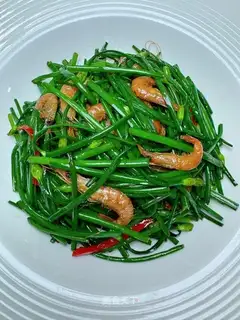
In the vast world of culinary ingredients, some of the most nutrient-dense and versatile options are also the smallest. Small shrimp—whether labeled as “baby shrimp,” “mini shrimp,” or “bay shrimp”—often play a supporting role in dishes, from salads and stir-fries to soups and pasta. Yet beneath their unassuming size lies a nutritional and functional profile that rivals many larger protein sources. Rich in high-quality protein, essential micronutrients, and bioactive compounds, small shrimp have been celebrated in traditional medicine and modern nutrition for their ability to support muscle health, cognitive function, and overall well-being. However, like all seafood, they come with considerations, particularly for allergies and sustainability. This article delves into the nutritional value of small shrimp, their evidence-based health benefits, and important precautions to keep in mind when incorporating them into a diet.
Nutritional Value: A Micro Nutrient Giant
Small shrimp may be tiny, but their nutritional punch is disproportionate to their size. A 3-ounce (85-gram) serving of cooked small shrimp typically contains:
- Protein: Around 18–20 grams, making it an excellent source of lean protein. Protein is vital for muscle repair, immune function, and satiety, and shrimp’s protein is “complete,” meaning it provides all nine essential amino acids the body cannot produce independently.
- Calories: Low in calories—approximately 84–90 per serving—making them a weight-loss-friendly food. Their high protein-to-calorie ratio helps curb hunger while supporting metabolic health.
- Vitamins: Small shrimp are rich in B vitamins, particularly vitamin B12 (about 21% of the Daily Value, DV), which is critical for nerve function, DNA synthesis, and red blood cell formation. They also contain niacin (B3) and riboflavin (B2), which aid in energy metabolism.
- Minerals: They are a standout source of selenium (48% DV), a powerful antioxidant that protects cells from damage, supports thyroid health, and enhances immune function. Additionally, small shrimp provide phosphorus (20% DV) for bone health, zinc (15% DV) for immune and wound healing, iron (8% DV) for oxygen transport, and copper (12% DV) for collagen production.
- Omega-3 Fatty Acids: While lower in fat than fatty fish like salmon, small shrimp still contain eicosapentaenoic acid (EPA) and docosahexaenoic acid (DHA)—omega-3s that reduce inflammation, support heart health, and promote brain function. A 3-ounce serving provides about 100–200 milligrams of EPA/DHA.
- Carotenoids: Shrimp get their pinkish hue from astaxanthin, a potent antioxidant carotenoid. Astaxanthin neutralizes free radicals, reduces oxidative stress, and may even protect skin from UV damage.
In short, small shrimp are a nutrient-dense food that delivers high-quality protein, essential vitamins, and minerals in a low-calorie package—making them a valuable addition to a balanced diet.
Health Benefits: From Muscle to Mind
The nutritional profile of small shrimp translates into a range of health benefits, supported by scientific research and traditional use.
1. Supports Muscle Maintenance and Growth
Protein is the building block of muscle, and small shrimp are an exceptional source. The branched-chain amino acids (BCAAs)—leucine, isoleucine, and valine—in shrimp stimulate muscle protein synthesis, making them particularly beneficial for athletes, older adults (to combat age-related muscle loss, or sarcopenia), and individuals recovering from injury. A 2021 study in Nutrients found that regular seafood consumption, including shrimp, was associated with greater muscle mass and strength in older adults.
2. Boosts Brain Health and Cognitive Function
The omega-3 fatty acids (EPA and DHA) in small shrimp are critical for brain health. DHA, a major component of brain tissue, supports cognitive function, memory, and mood regulation. Research published in The American Journal of Clinical Nutrition links higher omega-3 intake to a reduced risk of age-related cognitive decline and depression. Additionally, vitamin B12 in shrimp prevents “brain fog” and nerve damage, as deficiencies in this vitamin can lead to memory loss and numbness.
3. Promotes Heart Health
Contrary to outdated concerns about cholesterol (shrimp do contain dietary cholesterol, but it has minimal impact on blood cholesterol for most people), small shrimp benefit heart health in multiple ways:
- Omega-3s: Reduce triglycerides, lower blood pressure, and decrease inflammation—all risk factors for heart disease.
- Arginine: An amino acid in shrimp that boosts nitric oxide production, relaxing blood vessels and improving blood flow.
- Selenium: Protects the heart from oxidative stress and may reduce the risk of cardiovascular disease. A 2019 review in Frontiers in Nutrition concluded that moderate shrimp consumption (2–3 servings per week) as part of a balanced diet does not raise heart disease risk and may improve lipid profiles.
4. Enhances Immune Function
Small shrimp are a powerhouse of immune-supporting nutrients. Selenium, in particular, is essential for the production of cytokines—proteins that help regulate immune responses. Zinc also plays a key role in immune cell development and function, while vitamin B12 supports the production of white blood cells. A 2020 study in Journal of Trace Elements in Medicine and Biology found that selenium deficiency impairs immune response, highlighting the importance of foods like shrimp in maintaining immune resilience.
5. Supports Bone and Skin Health
The phosphorus and calcium in small shrimp contribute to strong bones and teeth, while copper aids in collagen synthesis—essential for skin elasticity and wound healing. Astaxanthin, the antioxidant that gives shrimp their color, also protects skin from UV damage and reduces signs of aging, such as wrinkles and hyperpigmentation. A 2017 study in Nutrients noted that astaxanthin supplementation (similar to the levels found in shrimp) improved skin hydration and elasticity in healthy adults.
6. Aids in Weight Management
With high protein and low calories, small shrimp are an ideal food for weight control. Protein increases satiety (the feeling of fullness), reducing overall calorie intake. A 2018 study in Appetite found that high-protein meals reduced hunger and late-night snacking more effectively than high-carbohydrate meals. Additionally, the micronutrients in shrimp (e.g., zinc and B vitamins) support metabolic function, helping the body burn calories efficiently.
Precautions and Considerations
While small shrimp offer numerous health benefits, there are important precautions to keep in mind to ensure safe and sustainable consumption.
1. Allergies
Shrimp are one of the “big eight” allergens, responsible for a significant proportion of seafood allergies. Allergic reactions can range from mild (hives, itching) to severe (anaphylaxis, difficulty breathing). Even small amounts of shrimp can trigger reactions in sensitive individuals. Those with a known shrimp allergy should avoid all shrimp products and carry an epinephrine auto-injector if prescribed. Cross-reactivity with other shellfish (e.g., crab, lobster) is common, so caution is advised.
2. Sodium Content
While fresh shrimp are low in sodium, processed or frozen shrimp often contain added salt or sodium-based preservatives (e.g., sodium tripolyphosphate). For individuals with hypertension or heart disease, excessive sodium intake can raise blood pressure. Opt for “no-sodium-added” or fresh shrimp and rinse them thoroughly before cooking to reduce sodium levels.
3. Mercury and Contaminants
Shrimp are generally low in mercury compared to large predatory fish (e.g., shark, swordfish), as they are low on the food chain and have short lifespans. However, shrimp from polluted waters may contain contaminants like PCBs (polychlorinated biphenyls) or microplastics. To minimize risk, choose wild-caught shrimp from reputable sources (e.g., U.S. or Canada) or certified sustainable options (e.g., Marine Stewardship Council [MSC] certified). Pregnant women and young children should limit shrimp consumption to 2–3 servings per week to avoid potential contaminants.
4. Sustainability
Overfishing and destructive fishing practices threaten shrimp populations and marine ecosystems. To reduce environmental impact, choose:
- Wild-caught shrimp from well-managed fisheries (look for MSC certification).
- Farm-raised shrimp from farms that avoid antibiotics and habitat destruction (e.g., Aquaculture Stewardship Council [ASC] certified).
- Avoid imported shrimp from regions with poor environmental regulations (e.g., some parts of Asia and Latin America), as they may contribute to deforestation and pollution.
5. Interactions with Medications
Shrimp contain vitamin K, which can interact with blood-thinning medications like warfarin. While shrimp do not provide enough vitamin K to significantly alter anticoagulant effects, individuals on such medications should maintain consistent vitamin K intake and consult their doctor before making dietary changes.
Conclusion
Small shrimp are a nutritional powerhouse, offering high-quality protein, essential vitamins, minerals, and omega-3 fatty acids that support muscle health, brain function, heart health, and more. Their low calorie count and versatility make them a valuable addition to a balanced diet, whether grilled, steamed, or added to salads and stir-fries. However, it is important to consume them mindfully: individuals with allergies should avoid them, those with health conditions like hypertension should monitor sodium intake, and environmentally conscious consumers should prioritize sustainable sourcing. When enjoyed responsibly, small shrimp can be a delicious and nutritious cornerstone of a healthy lifestyle—proof that great things often come in small packages.