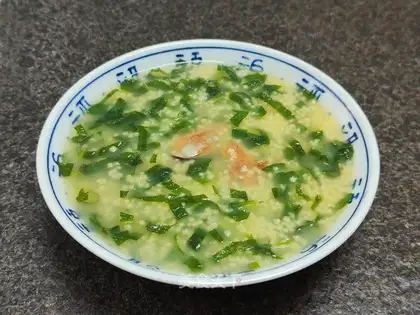
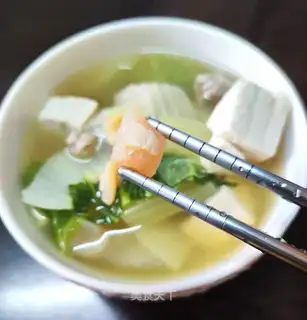
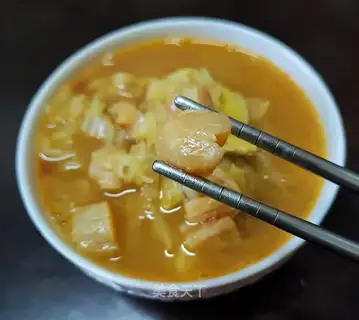
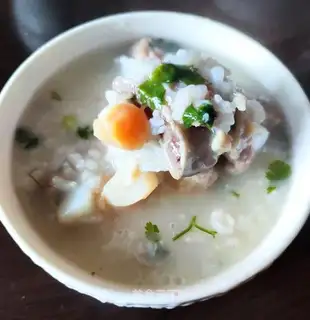
Dried scallops, known as gan bei in Mandarin or conpoy in Cantonese, are a prized delicacy in Asian cuisine and a nutritional powerhouse revered for centuries. These sun-dried or air-dried adductor muscles of scallops (family Pectinidae) boast a concentrated umami flavor, tender texture, and a remarkable nutrient profile. As both a culinary staple and a functional food, dried scallops offer a unique blend of proteins, vitamins, minerals, and bioactive compounds. This article explores the nutritional value of dried scallops, their evidence-based health benefits, and important precautions for consumption.
Nutritional Value of Dried Scallops
Dried scallops are a nutrient-dense food, meaning they provide a high concentration of essential nutrients relative to their calorie content. Their nutritional profile is a result of the dehydration process, which concentrates the natural components of fresh scallops while preserving key micronutrients.
1. High-Quality Protein
Protein is the most abundant macronutrient in dried scallops, accounting for approximately 50–60% of their dry weight. Unlike plant-based proteins, scallop proteins are “complete,” containing all nine essential amino acids (histidine, isoleucine, leucine, lysine, methionine, phenylalanine, threonine, tryptophan, and valine) that the human body cannot synthesize. These amino acids are vital for muscle repair, immune function, and enzyme production. The amino acid profile of scallops is particularly rich in branched-chain amino acids (BCAAs), such as leucine, which play a key role in muscle protein synthesis and may help reduce age-related muscle loss.
2. Essential Minerals
Dried scallops are an exceptional source of minerals, many of which are critical for physiological processes:
- Iron: A 100-gram serving of dried scallops provides around 10–15 mg of iron, more than double the amount found in lean beef. Iron is essential for hemoglobin production, which transports oxygen in the blood, and a deficiency can lead to anemia.
- Zinc: With 5–7 mg per 100 grams, dried scallops are one of the best dietary sources of zinc. Zinc supports immune function, wound healing, and DNA synthesis. It also acts as a cofactor for over 300 enzymes, including those involved in antioxidant defense.
- Selenium: Dried scallops contain 20–30 micrograms of selenium per 100 grams, a mineral that plays a central role in antioxidant activity. Selenium is a component of glutathione peroxidase, an enzyme that protects cells from oxidative damage. It also supports thyroid function and may reduce the risk of chronic diseases.
- Phosphorus and Magnesium: These minerals are crucial for bone health, energy metabolism, and nerve function. Dried scallops provide approximately 500–600 mg of phosphorus and 100–150 mg of magnesium per 100 grams, contributing to daily intake recommendations.
3. Vitamins
While dehydration reduces some heat-sensitive vitamins, dried scallops retain significant amounts of:
- Vitamin B12: A 100-gram serving contains 5–10 micrograms of vitamin B12, exceeding the daily recommended intake (2.4 micrograms for adults). Vitamin B12 is essential for nerve function, red blood cell formation, and DNA synthesis. Deficiency is common in vegetarians and older adults, making dried scallops a valuable dietary source.
- Vitamin B6: Dried scallops provide 0.5–0.8 mg of vitamin B6 per 100 grams, which is involved in protein metabolism, neurotransmitter synthesis, and immune regulation.
- Vitamin E: This fat-soluble antioxidant (1–2 mg per 100 grams) protects cell membranes from oxidative stress and supports skin health.
4. Omega-3 Fatty Acids
Though lower in fat than fresh scallops, dried scalps still contain omega-3 fatty acids, particularly eicosapentaenoic acid (EPA) and docosahexaenoic acid (DHA). These polyunsaturated fats are anti-inflammatory and support heart health, brain function, and eye health. A 100-gram serving of dried scallops provides 0.5–1 gram of omega-3s, making them a modest but notable source.
5. Umami Compounds
Dried scallops are rich in umami compounds, such as glutamic acid and inosinate, which enhance flavor and stimulate appetite. Umami is also linked to improved satiety and may help reduce overall food intake, aiding in weight management.
Health Benefits of Dried Scallops
The unique nutrient composition of dried scallops contributes to a range of health benefits, supported by both traditional medicine practices and modern scientific research.
1. Supports Muscle Maintenance and Repair
The high-quality protein and BCAAs in dried scallops make them an ideal food for preserving muscle mass, particularly in older adults and athletes. Studies show that adequate protein intake, combined with resistance training, can counteract age-related sarcopenia (muscle loss). A 2020 study in The American Journal of Clinical Nutrition found that elderly individuals who consumed 30 grams of protein per meal (equivalent to 50 grams of dried scallops) showed greater muscle protein synthesis than those who consumed smaller amounts.
2. Boosts Immune Function
Dried scallops are a “functional food” for immunity due to their zinc, selenium, and vitamin B12 content. Zinc deficiency impairs immune cell development and function, increasing susceptibility to infections. Selenium, meanwhile, enhances the activity of natural killer (NK) cells, which target viruses and cancer cells. A 2018 review in Nutrients highlighted that selenium supplementation reduces the risk of respiratory infections, while vitamin B12 deficiency is linked to weakened immune responses.
3. Enhances Cognitive Health
The omega-3 fatty acids (DHA) and vitamin B12 in dried scallops support brain function and may reduce the risk of cognitive decline. DHA is a major structural component of the brain and retina, and it promotes neurogenesis (the growth of new neurons). Vitamin B12 deficiency, common in older adults, is associated with memory loss and dementia. A 2021 study in Neurology found that individuals with higher vitamin B12 levels had better cognitive performance and slower brain atrophy.
4. Promotes Heart Health
Dried scallops may benefit cardiovascular health through multiple mechanisms:
- Omega-3s: Reduce triglycerides, lower blood pressure, and decrease inflammation in blood vessels.
- Potassium: Though not as high as in fresh scallops, dried scallops still contain potassium (300–400 mg per 100 grams), which helps regulate blood pressure by balancing sodium levels.
- Taurine: This amino acid, present in scallops, has been shown to lower cholesterol and reduce the risk of atherosclerosis.
5. Improves Bone Density
The phosphorus, magnesium, and calcium (in smaller amounts) in dried scallops contribute to bone health. Phosphorus works with calcium to form hydroxyapatite, the mineral complex that gives bones their strength. Magnesium enhances calcium absorption and activates vitamin D, which is essential for bone metabolism. A 2019 study in Journal of Bone and Mineral Research found that adequate magnesium intake reduces the risk of osteoporosis in postmenopausal women.
6. Aids in Weight Management
The high protein and umami content of dried scallops can promote satiety, reducing overall calorie intake. Protein takes longer to digest than carbohydrates or fats, keeping you full for longer. A 2017 study in Appetite found that a high-protein meal increased satiety by 25% compared to a high-carbohydrate meal, leading to reduced snacking and lower body weight over time.
Precautions and Potential Side Effects
While dried scallops offer numerous health benefits, they are not suitable for everyone. Certain groups should consume them in moderation or avoid them altogether due to potential health risks.
1. High Sodium Content
Drying scallops often involves salting to preserve them, resulting in a high sodium content. A 100-gram serving of dried scallops can contain 1,000–2,000 mg of sodium, exceeding the World Health Organization’s (WHO) recommended daily limit of 2,000 mg. Excessive sodium intake increases blood pressure and raises the risk of heart disease, stroke, and kidney problems. Individuals with hypertension, kidney disease, or cardiovascular issues should limit their consumption and choose low-sodium varieties if available.
2. Purine Content and Gout Risk
Dried scallops are high in purines (150–200 mg per 100 grams), compounds that break down into uric acid in the body. In people with gout or hyperuricemia, high uric acid levels can trigger painful joint inflammation. The American College of Rheumatology recommends limiting purine intake to less than 100–150 mg per day for gout patients. While occasional moderate consumption may be safe for those with normal uric acid levels, frequent or large servings can increase gout risk.
3. Allergic Reactions
Scallop allergies are relatively common, particularly in individuals with shellfish allergies (e.g., shrimp, crab, lobster). Allergic reactions can range from mild (hives, itching) to severe (anaphylaxis, difficulty breathing). People with known shellfish allergies should avoid dried scallops entirely. Cross-reactivity is also possible with other mollusks, such as oysters and clams.
4. Heavy Metal Contamination
As filter-feeding bivalves, scallops can accumulate heavy metals (e.g., mercury, cadmium) from marine environments. While fresh scallops are generally safe, drying concentrates these contaminants, increasing the risk of exposure. Long-term consumption of contaminated dried scallops may lead to heavy metal toxicity, affecting the kidneys, nervous system, and liver. To minimize risk, choose reputable brands that source scallops from clean, regulated waters.
5. Interaction with Blood Thinners
Dried scallops contain vitamin K, which plays a role in blood clotting. Individuals taking anticoagulant medications (e.g., warfarin) should maintain consistent vitamin K intake to avoid drug interactions. Sudden increases in vitamin K from dried scallops can reduce the effectiveness of blood thinners, increasing the risk of blood clots. It is advisable to consult a healthcare provider before incorporating dried scallops into the diet if taking such medications.
6. Calorie Density
Due to their low moisture content, dried scallops are calorie-dense (300–350 kcal per 100 grams). Overconsumption can lead to weight gain, especially when combined with other high-calorie foods. A typical serving size should be limited to 10–20 grams (2–3 pieces) for most adults to balance nutritional benefits with calorie control.
Conclusion
Dried scallops are a nutritional treasure, offering a rich source of complete protein, essential minerals (iron, zinc, selenium), vitamins (B12, B6), and omega-3 fatty acids. Their health benefits include muscle preservation, immune support, cognitive enhancement, and heart health. However, their high sodium, purine, and calorie content, as well as potential allergenicity and heavy metal contamination, require mindful consumption. For most people, dried scallops can be a valuable part of a balanced diet when eaten in moderation (10–20 grams per serving) and as part of a varied, nutrient-rich diet. As with any food, individual health conditions and dietary needs should guide intake, and consulting a healthcare professional is advisable for those with specific concerns.
Incorporating dried scallops into soups, stews, or stir-fries not only enhances flavor but also provides a concentrated dose of nutrients that support overall health. By understanding their benefits and precautions, consumers can enjoy this delicacy as both a culinary delight and a functional food for long-term well-being.