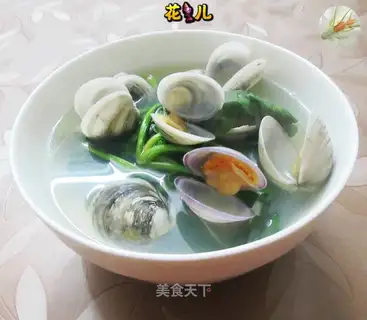
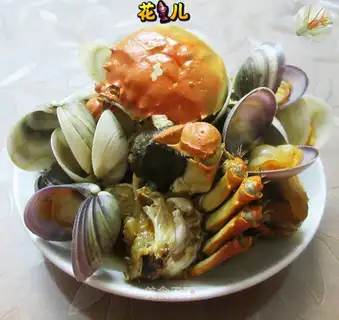
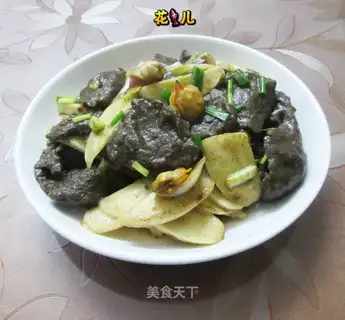
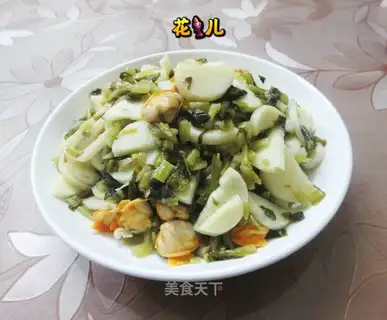
Hard clams, commonly known as "hard clams" or "quahogs" (from the Narragansett word "poquauhock"), are bivalve mollusks that have been a dietary staple for coastal communities for centuries. Found in shallow waters along the Atlantic coast of North America and Europe, these unassuming shellfish are nutritional powerhouses, packed with protein, vitamins, minerals, and antioxidants. Beyond their culinary versatility, hard clams offer a myriad of health benefits, from supporting heart health to boosting immune function. However, like all seafood, they must be consumed with caution due to potential risks associated with contamination, allergies, and overconsumption. This article explores the nutritional profile of hard clams, their scientifically backed health benefits, and important precautions to ensure safe and enjoyable consumption.
I. Nutritional Profile of Hard Clams
Hard clams are low in calories yet rich in essential nutrients, making them an ideal addition to a balanced diet. A 100-gram serving (approximately 6 medium clams, steamed without additives) contains approximately:
1. High-Quality Protein
Hard clams provide around 18-20 grams of protein, exceeding that of many land-based sources like chicken or beef per calorie. Their protein is "complete," containing all nine essential amino acids (histidine, isoleucine, leucine, lysine, methionine, phenylalanine, threonine, tryptophan, and valine) necessary for muscle synthesis, tissue repair, and enzyme production. This makes them particularly valuable for athletes, older adults, and individuals recovering from illness.
2. Essential Vitamins
- Vitamin B12: Hard clams are one of the best natural sources of vitamin B12, with a single serving providing over 1,000% of the daily recommended intake. This vitamin is critical for nerve function, DNA synthesis, and red blood cell formation; deficiency can lead to anemia, fatigue, and neurological damage.
- Vitamin C: Though less abundant than in fruits, hard clams contain ~10 mg per 100 grams, supporting immune health and collagen production.
- Vitamin A: As retinol and carotenoids (like astaxanthin), vitamin A in clams promotes vision, skin health, and immune regulation.
- Vitamin D: Clams offer ~15-20 IU per 100 grams, a modest but notable contribution to bone health and calcium absorption.
3. Minerals for Optimal Body Function
- Iron: Hard clams provide ~3-4 mg of iron per 100 grams, mostly in the "heme" form (more easily absorbed than non-heme iron from plants). This combats iron-deficiency anemia, especially in women and vegetarians.
- Zinc: With ~2-3 mg per 100 grams, clams support immune function, wound healing, and DNA synthesis. Zinc deficiency is linked to impaired growth and weakened immunity.
- Selenium: A potent antioxidant, selenium (~20-30 mcg per 100 grams) protects cells from oxidative damage and supports thyroid hormone metabolism.
- Copper and Magnesium: Clams are rich in copper (for iron metabolism and connective tissue formation) and magnesium (for muscle and nerve function, blood pressure regulation, and blood sugar control).
4. Low Fat and Omega-3 Fatty Acids
Hard clams are exceptionally lean, with less than 1 gram of fat per 100 grams. The small amount of fat they contain is rich in omega-3 fatty acids, particularly eicosapentaenoic acid (EPA) and docosahexaenoic acid (DHA). These "good fats" reduce inflammation, lower triglycerides, and support brain and heart health.
5. Bioactive Compounds
- Taurine: An amino acid abundant in clams, taurine regulates blood pressure, supports heart function, and has antioxidant properties.
- Astaxanthin: A carotenoid responsible for the pinkish hue of clam meat, astaxanthin is a potent antioxidant that protects against UV damage and chronic inflammation.
II. Health Benefits of Hard Clams
The nutrient density of hard clams translates to a range of evidence-based health benefits, making them a "functional food" that promotes overall well-being.
1. Supports Cardiovascular Health
The combination of low saturated fat, high omega-3s, and potassium (a vasodilator) makes hard clams heart-healthy. Omega-3s reduce triglycerides, prevent blood clots, and decrease arterial plaque buildup, while potassium lowers blood pressure. A 2020 study in Journal of the American College of Cardiology found that regular consumption of shellfish is associated with a 30% lower risk of heart disease.
2. Boosts Immune Function
Hard clams are a nutritional powerhouse for immunity: vitamin C enhances white blood cell activity, zinc supports immune cell development, and selenium reduces oxidative stress in immune tissues. Additionally, taurine modulates immune responses, helping the body fight infections efficiently.
3. Enhances Brain Health and Cognitive Function
DHA, a key omega-3 in clams, is a primary structural component of the brain and retina. It supports neurodevelopment, improves memory, and reduces the risk of age-related cognitive decline. A 2019 study in Neurology linked higher seafood consumption (including clams) to a slower rate of memory loss in older adults.
4. Promotes Muscle Growth and Repair
With 18-20 grams of protein per 100 grams, hard clams are an excellent post-workout food. Protein provides amino acids for muscle protein synthesis (MPS), while zinc and magnesium support muscle contraction and recovery. This is particularly beneficial for athletes, older adults (to combat sarcopenia), and those recovering from surgery.
5. Supports Thyroid Health
Selenium is essential for the conversion of thyroxine (T4) to the active thyroid hormone triiodothyronine (T3). Hard clams, as a selenium-rich food, help maintain optimal thyroid function, which regulates metabolism, energy production, and body temperature.
6. Aids in Weight Management
Hard clams are low in calories (~80-100 kcal per 100 grams) and high in protein, which increases satiety and reduces overall calorie intake. Protein also has a higher thermic effect (energy required for digestion) than carbs or fats, further supporting weight loss efforts.
7. Improves Skin and Hair Health
The combination of vitamin A, vitamin C, zinc, and astaxanthin in clams benefits skin and hair: vitamin A repairs skin cells, vitamin C boosts collagen production, zinc prevents hair loss, and astaxanthin protects against UV-induced aging.
III. Precautions and Potential Risks
While hard clams are highly nutritious, improper consumption or overconsumption can lead to health risks. Understanding these precautions is key to enjoying them safely.
1. Contamination and Foodborne Illness
Hard clams are filter feeders, meaning they accumulate bacteria, viruses, and toxins from their environment. The most significant risk is vibrio infection, caused by Vibrio vulnificus or Vibrio parahaemolyticus, bacteria that thrive in warm coastal waters. Symptoms include diarrhea, vomiting, fever, and in severe cases, sepsis (especially in immunocompromised individuals).
- Prevention: Only purchase clams from reputable suppliers, ensure they are fresh (shells tightly closed, no fishy odor), and cook them thoroughly (internal temperature of 74°C/165°F). Avoid raw clams, especially if you have a weakened immune system, liver disease, or are pregnant.
2. Heavy Metal Accumulation
Clams can accumulate heavy metals like mercury, cadmium, and lead from polluted waters. While mercury levels in hard clams are generally low (they are short-lived and low on the food chain), excessive consumption of contaminated clams may pose risks.
- Prevention: Limit consumption to 2-3 servings per week and choose clams from clean, regulated waters (check local advisories for contaminant levels).
3. Allergic Reactions
Shellfish allergy is one of the most common food allergies, affecting up to 2% of adults. Allergens in clams include tropomyosin (a protein) and arginine kinase, which trigger immune responses ranging from hives and swelling to anaphylaxis (life-threatening).
- Prevention: Individuals with shellfish allergy should avoid clams entirely. Even trace amounts in cross-contaminated dishes can trigger reactions.
4. Purine Content and Gout
Hard clams are high in purines (natural compounds broken down into uric acid). In susceptible individuals, excessive purine intake can trigger gout, a painful form of arthritis caused by uric acid crystal buildup in joints.
- Prevention: People with gout or high uric acid levels should limit clams to 1 serving per week and stay well-hydrated.
5. Overconsumption of Nutrients
While rare, excessive intake of certain nutrients in clams can cause issues:
- Iron: Too much iron (especially heme iron) can lead to iron overload (hemochromatosis), damaging the liver and heart.
- Zinc: High doses (>40 mg/day) can cause nausea, vomiting, and impaired copper absorption.
- Prevention: Stick to recommended serving sizes (3-4 oz per meal) and avoid taking zinc supplements while regularly consuming clams.
IV. Culinary Uses and Sustainable Consumption
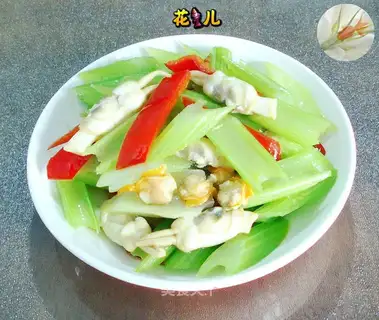
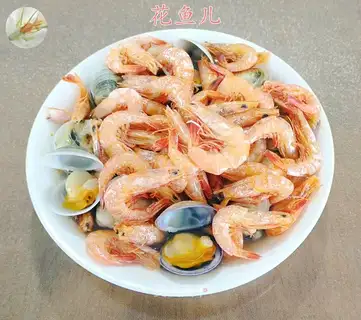
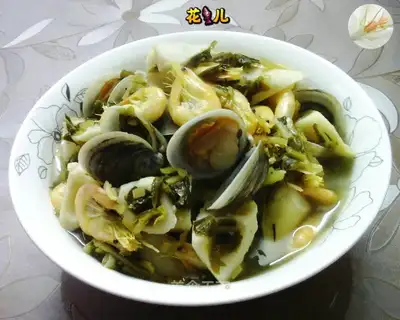
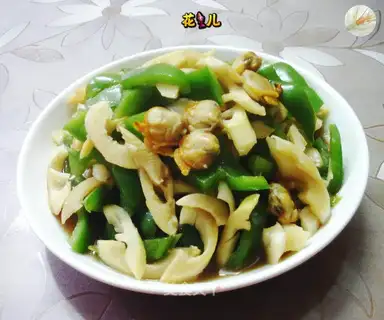
Hard clams are versatile in the kitchen and can be steamed, boiled, grilled, or baked. Popular dishes include clam chowder, steamed clams with garlic and white wine, and clam pasta. To ensure sustainability:
- Choose Sustainable Sources: Opt for clams certified by the Marine Stewardship Council (MSC) or Aquaculture Stewardship Council (ASC), which ensure responsible harvesting and farming.
- Avoid Overharvesting: Soft-shell clams (steamers) and hard-shell clams (littlenecks, cherrystones, quahogs) have varying maturity levels; choose smaller, younger clams to allow populations to replenish.
- Reduce Food Waste: Use clam shells in garden compost (they add calcium) or as decorative crafts.
Conclusion
Hard clams are a nutritional treasure, offering high-quality protein, essential vitamins and minerals, and beneficial bioactive compounds that support heart, brain, immune, and muscle health. Their low calorie and high nutrient density make them an excellent choice for individuals seeking to improve their diet or manage weight. However, potential risks such as contamination, allergies, and purine-related issues necessitate caution: proper cooking, sourcing, and moderation are key to reaping their benefits safely. By incorporating hard clams into a balanced, varied diet and prioritizing sustainable practices, we can enjoy this oceanic superfood while protecting both our health and the environment.