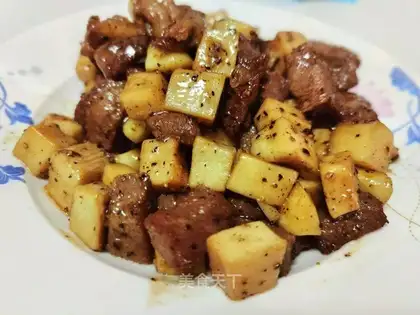
Beef, a staple in diets worldwide, has been prized for centuries for its rich flavor, culinary versatility, and nutritional density. As a complete protein source, it provides essential amino acids, vitamins, and minerals that support overall health. However, its consumption is also accompanied by debates about health risks, particularly regarding saturated fats and processing. This article explores the nutritional profile of beef, its evidence-based health benefits, and important considerations for safe and optimal consumption.
I. Nutritional Value of Beef
Beef is a nutrient-rich food that offers a unique combination of macronutrients and micronutrients, making it a valuable component of a balanced diet. Its nutritional profile varies slightly based on the cut (e.g., lean vs. fatty) and the animal’s diet (e.g., grass-fed vs. grain-fed), but general values highlight its nutritional significance.
1. High-Quality Protein
Protein is essential for building and repairing tissues, producing enzymes and hormones, and supporting immune function. Beef is a "complete protein," meaning it contains all nine essential amino acids that the body cannot produce on its own. A 100-gram serving of lean cooked beef (e.g., sirloin or tenderloin) provides approximately 25–30 grams of protein, with a biological value of over 80, making it highly bioavailable for human use.
2. Rich in Vitamins
Beef is a potent source of several B vitamins, which play critical roles in energy metabolism, nervous system function, and red blood cell production:
- Vitamin B12: Essential for nerve function and DNA synthesis, beef is one of the most natural sources of this vitamin. A 100-gram serving can provide over 100% of the daily recommended intake (DRI), making it crucial for individuals at risk of deficiency (e.g., vegetarians or the elderly).
- Vitamin B6: Involved in protein metabolism and neurotransmitter synthesis, with a 100-gram serving contributing around 30% of the DRI.
- Niacin (B3): Supports energy production and skin health, with beef providing about 25% of the DRI per serving.
- Riboflavin (B2): Important for energy metabolism and antioxidant defense, present in smaller but significant amounts.
3. Essential Minerals
Beef is particularly rich in minerals that are often lacking in modern diets:
- Iron: Beef contains "heme iron," the most easily absorbed form of iron (2–3 times more bioavailable than non-heme iron from plants). A 100-gram serving of lean beef provides approximately 2.5–3 milligrams of iron, covering 15–20% of the DRI for adults. Iron is vital for oxygen transport in the blood and preventing anemia.
- Zinc: Essential for immune function, wound healing, and DNA synthesis, beef is a top source of zinc, with a 100-gram serving providing 40–50% of the DRI. Zinc deficiency is linked to impaired immunity and delayed growth in children.
- Selenium: A powerful antioxidant that supports thyroid function and protects cells from damage, beef provides about 30–40% of the DRI per serving. Grass-fed beef tends to have higher selenium levels due to the mineral content of soil.
- Phosphorus: Works with calcium to build strong bones and teeth, with beef contributing 20% of the DRI per serving.
- Potassium: Regulates fluid balance and blood pressure, with lean beef providing around 300–400 milligrams per 100-gram serving.
4. Fats: A Balanced Profile
While beef is often criticized for its saturated fat content, the fat composition depends on the cut. Lean cuts (e.g., eye of round, sirloin) contain 5–10 grams of fat per 100-gram serving, with only 2–3 grams being saturated. Fatty cuts (e.g., ribeye, T-bone) can have up to 20–30 grams of fat, with 10–15 grams saturated. However, beef also contains monounsaturated fats (e.g., oleic acid, the same heart-healthy fat in olive oil) and small amounts of omega-3 fatty acids, particularly in grass-fed beef (which has 2–3 times more omega-3 than grain-fed beef).
II. Health Benefits of Beef Consumption
When consumed as part of a balanced diet, beef offers numerous health benefits, supported by scientific research.
1. Muscle Mass Maintenance and Sarcopenia Prevention
Protein is critical for preserving muscle mass, especially as we age. Sarcopenia, the age-related loss of muscle strength and mass, increases the risk of frailty, falls, and reduced mobility. High-quality protein sources like beef stimulate muscle protein synthesis (MPS) more effectively than plant proteins due to their amino acid profile. Studies show that consuming 30–40 grams of beef protein per meal (equivalent to 100–150 grams of cooked beef) maximizes MPS in older adults, helping to delay sarcopenia and maintain physical function.
2. Iron Deficiency Anemia Prevention
Iron deficiency is the most common nutritional deficiency worldwide, leading to fatigue, weakness, and impaired cognitive function. Heme iron in beef is particularly effective at raising iron levels, as it is absorbed independently of dietary inhibitors (e.g., phytates in grains or tannins in tea). For individuals with high iron needs—such as pregnant women, adolescents, and athletes—beef is a practical and efficient way to meet iron requirements. A study in the Journal of Nutrition found that consuming beef just three times a week significantly improved iron stores in women of childbearing age.
3. Immune System Support
Zinc and vitamin B12 in beef are vital for immune function. Zinc deficiency impairs the development and activity of immune cells (e.g., T-cells and natural killer cells), increasing susceptibility to infections. Vitamin B12 supports the production of white blood cells and helps maintain the integrity of the nervous system, which is closely linked to immune regulation. Research suggests that adequate zinc intake from foods like beef can reduce the duration and severity of common colds.
4. Energy Production and Metabolic Health
B vitamins in beef act as coenzymes in energy metabolism, helping the body convert carbohydrates, fats, and proteins into usable energy. Niacin (B3) and riboflavin (B2) are particularly important for breaking down glucose and fatty acids, while vitamin B12 supports the metabolism of amino acids. For individuals with active lifestyles or high energy demands (e.g., athletes), beef provides a sustained energy release due to its protein and fat content, preventing blood sugar spikes.
5. Cognitive Function and Mental Health
Vitamin B12 and iron play key roles in brain health. Vitamin B12 is essential for myelin synthesis, the protective sheath around nerve fibers, and its deficiency can lead to cognitive decline, memory loss, and depression. Iron ensures adequate oxygen supply to the brain, supporting concentration and mental clarity. A study published in Neurology found that older adults with higher vitamin B12 levels (often linked to animal product consumption) had better cognitive performance and a lower risk of dementia.
6. Growth and Development in Children
For children and adolescents, beef is an ideal food for supporting growth due to its high-quality protein and micronutrient content. Iron and zinc are critical for brain development, while protein supports muscle and bone growth. A study in the American Journal of Clinical Nutrition found that children who consumed beef regularly had higher iron stores and better cognitive test scores than those who did not.
III. Precautions and Considerations for Beef Consumption
While beef offers significant nutritional benefits, certain precautions must be taken to minimize health risks, particularly related to fat content, processing, and cooking methods.
1. Limiting Saturated Fat Intake
High intake of saturated fat is associated with an increased risk of cardiovascular disease (CVD) by raising LDL ("bad") cholesterol levels. To reduce saturated fat, choose lean cuts (e.g., sirloin, tenderloin, round) and trim visible fat before cooking. Processed beef products (e.g., sausages, bacon, hot dogs) are often high in saturated fat and sodium, so their consumption should be limited. The American Heart Association recommends limiting saturated fat to less than 5–6% of daily calories (approximately 13–15 grams for a 2,000-calorie diet).
2. Avoiding Processed Beef
Processed beef (e.g., deli meats, cured sausages, jerky) has been linked to an increased risk of colorectal cancer, type 2 diabetes, and CVD. The World Health Organization (WHO) classifies processed meat as "Group 1 carcinogenic" due to the presence of nitrites and nitrates, which can form carcinogenic compounds (e.g., N-nitroso compounds) in the body. If consumed, processed beef should be eaten occasionally and in small quantities.
3. Cooking Methods Matter
High-temperature cooking methods (e.g., grilling, frying, broiling) can produce heterocyclic amines (HCAs) and polycyclic aromatic hydrocarbons (PAHs), compounds linked to cancer. To reduce these compounds:
- Marinate beef before cooking (marinades containing herbs, spices, or acids reduce HCA formation by up to 90%).
- Avoid charring meat; trim off blackened or charred parts.
- Use lower-temperature methods (e.g., baking, poaching, slow cooking) when possible.
4. Individual Health Considerations
- Heart Disease: Individuals with existing CVD should limit red meat intake to 1–2 servings per week and prioritize lean cuts.
- Kidney Disease: High protein intake can strain the kidneys in people with pre-existing kidney disease; consult a doctor before increasing beef consumption.
- Gout: Beef is moderately high in purines, which can trigger gout attacks in susceptible individuals; moderation is advised.
- Cancer Risk: While lean, unprocessed beef is not strongly linked to cancer, excessive consumption (especially processed meat) should be avoided.
5. Sustainable and Ethical Choices
Environmental concerns, including beef’s carbon footprint and land use, are increasingly important. Grass-fed beef is often more sustainable than grain-fed, as it requires fewer fossil fuels and promotes soil health. Additionally, choosing beef from farms with ethical practices (e.g., no antibiotics or hormones) supports animal welfare.
IV. Conclusion
Beef is a nutrient-dense food that provides high-quality protein, essential vitamins (B12, B6, niacin), and minerals (iron, zinc, selenium) critical for muscle health, immune function, and energy metabolism. When consumed in moderation—prioritizing lean cuts, avoiding processed forms, and using healthy cooking methods—it can be a valuable part of a balanced diet. However, individual health conditions, such as heart disease or kidney issues, require careful consideration. By understanding beef’s nutritional benefits and precautions, consumers can make informed choices that support both personal health and environmental sustainability. Ultimately, beef’s role in the diet should be balanced with a variety of other whole foods to ensure optimal health and well-being.