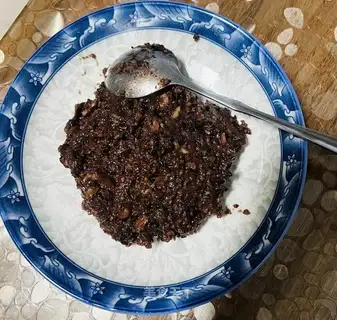
Black rice, often hailed as the "forbidden rice" in ancient China due to its rarity and exclusive consumption by royalty, has transcended its historical mystique to become a modern superfood. With its striking deep purple hue, nutty flavor, and dense nutritional profile, black rice is not just a culinary delight but also a nutritional powerhouse. This article explores the nutritional value of black rice, its diverse health benefits, and important precautions to consider when incorporating it into your diet.
I. Nutritional Value of Black Rice
Black rice stands out among other grains due to its exceptional nutrient density. Unlike white rice, which is refined and stripped of its bran and germ, black rice retains its outer layers, concentrating an array of vitamins, minerals, antioxidants, and dietary fiber. A 100-gram serving of cooked black rice typically contains:
- Macronutrients: Approximately 9 grams of protein, 1.5 grams of fat (mostly unsaturated), and 21 grams of carbohydrates, including 3 grams of dietary fiber. This makes it a balanced energy source, suitable for both athletes and those seeking sustained energy release.
- Micronutrients: Black rice is rich in essential minerals such as iron (1.5 mg, about 8% of the daily value), magnesium (84 mg, 20% DV), and zinc (1.5 mg, 13% DV). Iron is crucial for oxygen transport and preventing anemia, while magnesium supports muscle and nerve function, and zinc boosts immune health.
- Antioxidants: The most notable feature of black rice is its high anthocyanin content, the pigment responsible for its deep purple color. Anthocyanins are potent antioxidants that combat oxidative stress by neutralizing free radicals. Studies show black rice contains 2-3 times more anthocyanins than blueberries, a well-known antioxidant source.
- Vitamins: It provides B vitamins like thiamine (B1), riboflavin (B2), and niacin (B3), which play key roles in metabolism and energy production. Additionally, black rice contains small amounts of vitamin E, a fat-soluble antioxidant that protects cells from damage.
The combination of these nutrients makes black rice a nutrient-dense alternative to refined grains, offering superior health benefits with every serving.
II. Health Benefits of Black Rice
The unique nutritional composition of black rice translates into a wide range of health benefits, from chronic disease prevention to enhanced longevity.
1. Rich in Antioxidants, Reducing Disease Risk
Anthocyanins in black rice are linked to a reduced risk of chronic diseases, including heart disease, diabetes, and certain cancers. These antioxidants inhibit inflammation, a key driver of many illnesses, and protect LDL (bad) cholesterol from oxidation, preventing plaque buildup in arteries. A 2010 study in the Journal of Agricultural and Food Chemistry found that black rice extract significantly reduced oxidative stress in laboratory animals, suggesting potential cardioprotective effects.
2. Supports Heart Health
Black rice promotes cardiovascular health through multiple mechanisms. Its high fiber content helps lower cholesterol levels by binding to bile acids in the digestive system, reducing their reabsorption and forcing the body to use existing cholesterol for bile production. Additionally, anthocyanins improve blood vessel elasticity and reduce blood pressure. Magnesium, another key nutrient in black rice, regulates heart rhythm and supports muscle function, further reducing the risk of hypertension and heart disease.
3. Regulates Blood Sugar Levels
For individuals with diabetes or those at risk, black rice is a superior grain choice compared to white rice. Its low glycemic index (GI) of around 55 (compared to 70 for white rice) means it causes a slower, more gradual rise in blood sugar levels. The fiber and anthocyanins in black rice enhance insulin sensitivity, improving glucose uptake by cells and reducing the risk of insulin resistance. A 2015 study published in Nutrition Research found that black rice consumption improved glycemic control in type 2 diabetics, making it a valuable dietary adjunct for diabetes management.
4. Aids Weight Management
Black rice’s high fiber and protein content make it an excellent food for weight management. Fiber promotes satiety, reducing hunger and overall calorie intake, while protein supports muscle maintenance and metabolic rate. Unlike refined grains, which can cause blood sugar spikes and subsequent cravings, black rice provides sustained energy, helping to prevent overeating. Additionally, its low calorie density (compared to processed foods) allows for larger portion sizes without excessive calorie consumption.
5. Enhances Digestive Health
The dietary fiber in black rice acts as a prebiotic, nourishing beneficial gut bacteria and promoting a healthy microbiome. A balanced gut microbiome is linked to improved digestion, reduced inflammation, and even enhanced mental health. Fiber also adds bulk to stool, preventing constipation and supporting regular bowel movements. For individuals with digestive issues like irritable bowel syndrome (IBS), black rice’s gentle fiber content can be easier to tolerate than high-FODMAP grains.
6. Boosts Immune Function
Black rice’s zinc and vitamin content contribute to a robust immune system. Zinc is essential for immune cell development and function, while antioxidants protect immune cells from oxidative damage. Anthocyanins also exhibit anti-inflammatory properties, reducing chronic inflammation that can weaken immune responses. Regular consumption of black rice may help the body fight infections and recover more quickly from illnesses.
7. Promizes Skin and Hair Health
The antioxidants in black rice, particularly anthocyanins and vitamin E, protect skin cells from UV damage and premature aging. By neutralizing free radicals, these nutrients reduce wrinkles, fine lines, and hyperpigmentation. Additionally, black rice’s mineral content, such as iron and zinc, supports healthy hair growth by improving blood circulation to the scalp and strengthening hair follicles. For those seeking natural ways to enhance their appearance, black rice is a beauty-boosting food.
III. Precautions and Considerations
While black rice offers numerous health benefits, it is important to consume it in moderation and consider certain precautions to avoid potential adverse effects.
1. Arsenic Content
Like many rice varieties, black rice may contain trace amounts of arsenic, a heavy metal that accumulates in rice grains due to environmental contamination. Arsenic exposure over time can increase the risk of chronic diseases, including cancer and cardiovascular issues. To minimize arsenic intake:
- Rinse rice thoroughly before cooking.
- Use a higher water-to-rice ratio (e.g., 1:6) and discard excess water after cooking, as arsenic is water-soluble.
- Limit consumption to 2-3 servings per week, especially for pregnant women, children, and individuals with arsenic sensitivity.
2. High Fiber Content
Black rice’s high fiber content, while beneficial, can cause digestive discomfort in some individuals, particularly those not accustomed to fiber-rich diets. Symptoms may include bloating, gas, or diarrhea. To ease into consumption:
- Start with small portions (e.g., 1/4 cup cooked) and gradually increase intake.
- Drink plenty of water to help fiber move through the digestive system.
3. Oxalates and Kidney Stones
Black rice contains oxalates, compounds that can contribute to kidney stone formation in susceptible individuals. Those with a history of calcium oxalate kidney stones should limit their intake and consult a healthcare provider. Cooking black rice with ample water can help reduce oxalate levels.
4. Allergic Reactions
Although rare, some individuals may be allergic to black rice, experiencing symptoms such as itching, hives, or digestive upset. If you have a known grain allergy, introduce black rice cautiously and discontinue use if adverse reactions occur.
5. Blood Sugar Interactions
While black rice helps regulate blood sugar, individuals taking diabetes medications should monitor their levels closely. The combination of black rice and medication may cause hypoglycemia (low blood sugar) if portions are not adjusted. Consult a healthcare provider to determine appropriate serving sizes.
IV. Conclusion
Black rice is a nutritional powerhouse that offers a wide range of health benefits, from antioxidant protection and heart health to blood sugar regulation and weight management. Its rich nutrient profile, including anthocyanins, fiber, and essential minerals, makes it a superior alternative to refined grains. However, mindful consumption is key to avoiding potential risks such as arsenic exposure or digestive discomfort.
By incorporating black rice into a balanced diet—rinsed thoroughly, cooked in excess water, and consumed in moderation—you can harness its health benefits while minimizing drawbacks. Whether enjoyed as a side dish, in salads, or as a base for bowls, black rice is a versatile and delicious addition to a healthy lifestyle. As modern science continues to uncover its potential, this ancient grain remains a timeless symbol of nutrition and vitality.