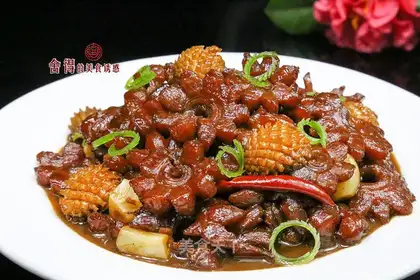
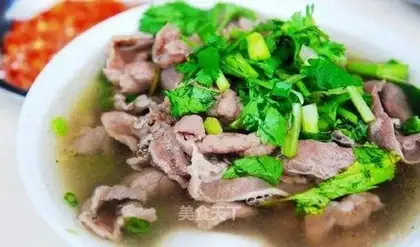
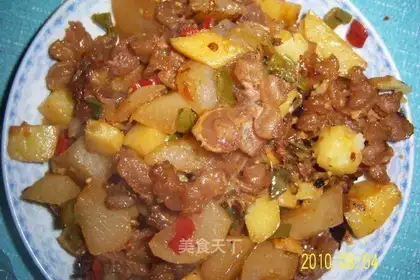
In the vast landscape of global cuisine, certain ingredients have long been revered not just for their culinary versatility but for their perceived medicinal properties. Among these, bull testicle—commonly referred to as "bull whip" or " Rocky Mountain oysters" in some regions—stands out as a nutrient-dense food with a rich history in traditional medicine. While its consumption may evoke curiosity or hesitation in modern societies, this organ meat has been treasured for centuries across cultures, from ancient Chinese medicine to Western folk remedies. Today, as interest in nutrient-dense, whole foods grows, bull testicle is gaining renewed attention for its impressive nutritional profile, potential health benefits, and role in supporting overall wellness. This article explores the nutritional value of bull testicle, its scientifically supported health benefits, and important precautions to consider before incorporating it into your diet.
Nutritional Value of Bull Testicle
Bull testicle is a nutritional powerhouse, packed with high-quality protein, essential vitamins, and minerals that are vital for human health. Unlike muscle meats, organ meats like testicles are concentrated sources of nutrients, often surpassing common foods in their micronutrient density.
1. High-Quality Protein
Protein is essential for building and repairing tissues, producing enzymes and hormones, and supporting immune function. Bull testicle is an excellent source of complete protein, containing all nine essential amino acids that the body cannot produce on its own. A 100-gram serving of cooked bull testicle provides approximately 25-30 grams of protein, making it comparable to lean cuts of beef or chicken but with a richer, more nutrient-dense profile.
2. Rich in Vitamins
Bull testicle is particularly notable for its vitamin content, especially B vitamins and fat-soluble vitamins:
- Vitamin B12: Crucial for nerve function, DNA synthesis, and red blood cell formation. A single serving of bull testicle can provide more than 100% of the daily recommended intake of B12, making it a potent food for preventing deficiency, which is common in vegetarians and older adults.
- Vitamin A: Supports vision, immune health, and skin integrity. Bull testicle contains preformed vitamin A (retinol), which is more easily absorbed by the body than the plant-based provitamin A (beta-carotene).
- Vitamin E: A powerful antioxidant that protects cells from oxidative damage, supports immune function, and promotes skin health.
- B Vitamins (B6, Niacin, Riboflavin): These play key roles in energy metabolism, brain function, and maintaining healthy skin and hair.
3. Abundant Minerals
The mineral profile of bull testicle is equally impressive, with high levels of nutrients that are often lacking in modern diets:
- Zinc: Essential for immune function, wound healing, and testosterone production. Bull testicle is one of the richest dietary sources of zinc, with a 100-gram serving providing up to 10 milligrams—nearly 100% of the daily recommended intake for adults. Zinc deficiency is linked to weakened immunity, reduced fertility, and slow wound healing, making this mineral particularly valuable.
- Selenium: A trace mineral that acts as an antioxidant, supports thyroid function, and plays a role in DNA repair. Selenium deficiency has been associated with increased risk of chronic diseases, including heart disease and cancer.
- Iron: Critical for oxygen transport in the blood and energy production. Bull testicle contains heme iron, the form most easily absorbed by the body, making it an excellent choice for individuals with iron deficiency anemia.
- Magnesium and Phosphorus: These minerals support bone health, muscle function, and energy metabolism.
4. Healthy Fats
While bull testicle is relatively low in fat compared to other organ meats, it contains a balanced profile of fatty acids, including monounsaturated and polyunsaturated fats, which support heart health and reduce inflammation. It also contains small amounts of omega-3 fatty acids, which are known for their anti-inflammatory properties.
Health Benefits of Bull Testicle
The unique nutritional composition of bull testicle translates to a range of health benefits, from enhanced reproductive health to improved immune function. While some benefits are rooted in traditional medicine, emerging scientific research supports many of these claims.
1. Supports Reproductive Health and Hormone Balance
One of the most well-known traditional uses of bull testicle is to enhance male fertility and libido. This is largely attributed to its high zinc and testosterone content. Zinc is a key cofactor in testosterone synthesis, and studies have shown that zinc supplementation can increase testosterone levels in deficient individuals. Additionally, bull testicle contains small amounts of natural testosterone, which may help support hormone balance when consumed as part of a balanced diet.
For women, bull testicle may also offer benefits. Traditional Chinese medicine uses it to treat conditions like irregular menstruation and infertility, citing its ability to "nourish kidney qi" (a concept linked to reproductive health in TCM). While research on women is limited, its rich nutrient profile—particularly iron and B vitamins—may support overall hormonal balance.
2. Boosts Immune Function
The immune-boosting properties of bull testicle are primarily due to its high zinc and selenium content. Zinc is essential for the development and function of immune cells, including T cells and natural killer cells, while selenium enhances antioxidant defenses, protecting immune cells from damage. Studies have shown that adequate zinc and selenium intake reduces the risk of infections and supports faster recovery from illness.
3. Enhances Physical Performance and Recovery
Athletes and fitness enthusiasts may benefit from incorporating bull testicle into their diets due to its high protein and amino acid content. Protein is critical for muscle repair and growth, and the amino acids in bull testicle—particularly leucine—stimulate muscle protein synthesis. Additionally, its iron content supports oxygen delivery to muscles, reducing fatigue and improving endurance.
4. Promotes Skin and Hair Health
The vitamins and minerals in bull testicle play a key role in maintaining healthy skin and hair. Vitamin A supports skin cell turnover and prevents dryness, while vitamin E protects skin from UV damage and aging. B vitamins, particularly biotin (vitamin B7), are essential for hair growth and strength. Zinc also helps regulate oil production in the skin, reducing the risk of acne and other skin conditions.
5. Supports Brain Health
B vitamins, especially B12 and B6, are vital for brain function. B12 helps maintain the myelin sheath that protects nerve fibers, while B6 supports neurotransmitter production, including serotonin and dopamine. Adequate intake of these vitamins has been linked to improved memory, reduced risk of cognitive decline, and better mood regulation.
食用禁忌 (Precautions and Potential Risks)
While bull testicle offers numerous health benefits, it is important to consume it in moderation and with awareness of potential risks. Certain individuals should exercise caution or avoid it altogether.
1. High Cholesterol Content
Bull testicle is relatively high in cholesterol, with a 100-gram serving containing around 300-400 milligrams. For most people, dietary cholesterol has a minimal impact on blood cholesterol levels, as the body regulates its own cholesterol production. However, individuals with hypercholesterolemia (high cholesterol), heart disease, or a family history of cardiovascular issues should consult a healthcare provider before consuming it regularly.
2. Risk of Contaminants
As with all animal products, the quality and safety of bull testicle depend on the source. It is crucial to purchase it from reputable suppliers that follow strict hygiene and safety standards. Organ meats can accumulate toxins, such as heavy metals or pesticides, if the animal was raised in polluted environments. Opt for organic, grass-fed bull testicle when possible to minimize exposure to contaminants.
3. Allergic Reactions
While rare, some individuals may be allergic to bull testicle or other organ meats. Symptoms of an allergic reaction can include hives, swelling, difficulty breathing, or digestive issues. If you are trying bull testicle for the first time, start with a small portion and monitor for adverse reactions.
4. Hormonal Sensitivity
Due to its natural testosterone content, individuals with hormone-sensitive conditions—such as prostate cancer, breast cancer, or endometriosis—should avoid bull testicle unless advised by a healthcare provider. Testosterone can stimulate the growth of hormone-dependent tumors, making it unsafe for those with these conditions.
5. Preparation and Cooking
Improper preparation can increase the risk of foodborne illness. Bull testicle should be thoroughly cleaned and cooked to an internal temperature of 70°C (160°F) to kill harmful bacteria, such as Salmonella or E. coli. It is often boiled, grilled, or stir-fried, and marinating can help reduce its strong flavor, which some find off-putting.
Conclusion
Bull testicle is a nutrient-dense ingredient with a long history of use in traditional medicine and modern cuisine. Its high protein content, abundance of vitamins and minerals, and potential health benefits—from supporting reproductive health to boosting immunity—make it a valuable addition to a balanced diet. However, it is not without risks, and individuals with specific health conditions should exercise caution.
For those willing to embrace this unique food, the key is moderation and sourcing from reputable suppliers. Whether enjoyed as a delicacy in traditional dishes or incorporated into a modern wellness diet, bull testicle offers a compelling example of how nutrient-rich foods can support overall health and vitality. As our understanding of nutrition continues to evolve, ingredients like bull testicle remind us of the wisdom of traditional foods and their potential to enhance modern diets.