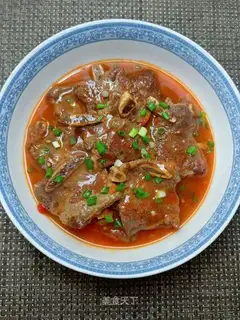
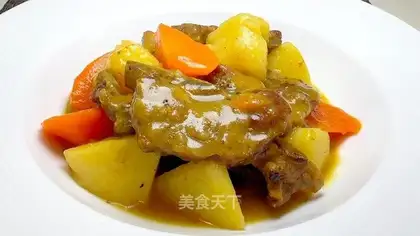
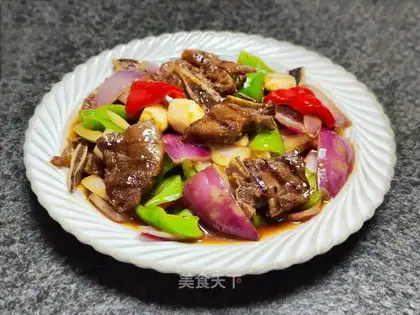
Beef short ribs, a cut of meat from the primal plate or chuck primal of cattle, have long been celebrated for their rich flavor, tender texture, and versatility in global cuisines. From Korean BBQ’s galbi to American slow-cooked barbecue, these ribs are a favorite among food enthusiasts. Beyond their culinary appeal, beef short ribs offer a impressive nutritional profile, providing essential nutrients that support overall health. However, like all rich protein sources, they come with specific considerations for consumption. This article explores the nutritional value of beef short ribs, their health benefits, and important dietary precautions to help individuals enjoy them mindfully.
Nutritional Value of Beef Short Ribs
Beef short ribs are a nutrient-dense food, packed with high-quality protein, vitamins, and minerals that play vital roles in bodily functions. A 3-ounce (85-gram) serving of cooked beef short ribs (approximately 20% fat) contains approximately:
- Protein: 22 grams, providing all nine essential amino acids necessary for muscle repair, immune function, and enzyme production. Protein is particularly important for athletes, older adults, and those recovering from illness, as it supports tissue maintenance and growth.
- Vitamins:
- Vitamin B12: Essential for nerve function, red blood cell formation, and DNA synthesis. A single serving of short ribs can provide over 30% of the daily recommended intake, making it a crucial source for individuals at risk of deficiency, such as vegetarians or older adults.
- Niacin (Vitamin B3): Supports energy metabolism and skin health, with one serving offering about 25% of the daily requirement.
- Vitamin B6: Aids in protein metabolism and neurotransmitter production, contributing to brain health.
- Vitamin D: Present in smaller amounts, but still contributes to bone health and immune regulation, especially in grass-fed varieties.
- Minerals:
- Iron: Beef short ribs are a rich source of heme iron, the type most easily absorbed by the body. Iron is critical for preventing anemia, as it supports oxygen transport in the blood. A serving provides around 15% of the daily recommended intake.
- Zinc: Supports immune function, wound healing, and DNA synthesis. One serving contains about 30% of the daily need, making it beneficial for immune health.
- Phosphorus: Works with calcium to build strong bones and teeth, and also plays a role in energy production.
- Selenium: A powerful antioxidant that protects cells from damage and supports thyroid function.
- Fats: While beef short ribs are higher in fat than lean cuts, they contain a mix of saturated, monounsaturated, and polyunsaturated fats, including conjugated linoleic acid (CLA), which has been studied for its potential role in weight management and heart health (when consumed in moderation).
Grass-fed beef short ribs may offer additional benefits, including higher levels of omega-3 fatty acids, vitamin E, and antioxidants, compared to grain-fed varieties, due to the cows’ natural diet.
Health Benefits of Beef Short Ribs
When consumed as part of a balanced diet, beef short ribs can contribute to several aspects of health:
1. Muscle Maintenance and Growth
The high-quality protein in beef short ribs provides the building blocks for muscle tissue, making it an excellent choice for athletes, bodybuilders, and older adults looking to prevent age-related muscle loss (sarcopenia). The essential amino acids, particularly leucine, stimulate muscle protein synthesis, aiding in recovery and strength development.
2. Enhanced Immune Function
Zinc and vitamin B6 in beef short ribs are vital for a healthy immune system. Zinc helps produce and activate immune cells, while vitamin B6 supports the production of antibodies and cytokines, which regulate immune responses. Adequate intake of these nutrients can reduce the risk of infections and support faster recovery from illness.
3. Improved Energy Levels
B vitamins (B12, niacin, and B6) play a key role in converting food into energy. They help metabolize carbohydrates, fats, and proteins, ensuring the body has a steady supply of fuel. For individuals with active lifestyles or those experiencing fatigue, incorporating beef short ribs can help boost energy levels naturally.
4. Bone Health
The combination of phosphorus, calcium, and vitamin D in beef short ribs supports bone density and strength. Phosphorus works in tandem with calcium to form hydroxyapatite, the mineral complex that gives bones their rigidity. Vitamin D enhances calcium absorption, making this trio essential for preventing osteoporosis and maintaining bone health, especially in older adults.
5. Cognitive Health
Vitamin B12 is crucial for maintaining the health of nerve cells and producing myelin, the protective sheath around nerves. Deficiency in B12 can lead to cognitive decline, memory loss, and nerve damage. Regular consumption of beef short ribs can help prevent B12 deficiency, supporting brain function and reducing the risk of neurodegenerative diseases.
6. Satiety and Weight Management
The protein and fat content in beef short ribs promotes satiety, helping to reduce hunger and prevent overeating. This can be beneficial for weight management, as it discourages snacking on unhealthy, calorie-dense foods. Additionally, CLA, found in grass-fed beef, has been linked to reduced body fat and improved body composition in some studies.
Precautions and Considerations for Consumption
While beef short ribs offer numerous health benefits, their high fat and calorie content means they should be consumed in moderation, especially by individuals with certain health conditions. Here are key precautions to keep in mind:
1. Saturated Fat and Heart Health
Beef short ribs are relatively high in saturated fat, with a 3-ounce serving containing around 8–10 grams. Excessive intake of saturated fat has been linked to elevated LDL (“bad”) cholesterol, increasing the risk of heart disease and stroke. For individuals with high cholesterol, cardiovascular issues, or a family history of heart disease, it is advisable to limit consumption to once or twice a month and opt for leaner cuts when possible. Trimming visible fat and cooking methods like grilling or baking (instead of frying) can also reduce fat content.
2. Calorie Density
A single serving of beef short ribs contains around 300–400 calories, with a significant portion coming from fat. For those watching their calorie intake, such as individuals trying to lose weight, portion control is essential. Pairing short ribs with low-calorie, nutrient-dense sides like vegetables, salads, or whole grains can help balance the meal and prevent excessive calorie consumption.
3. Sodium Content
Many commercially prepared beef short ribs, such as marinated or smoked varieties, are high in sodium due to added salts, sauces, or preservatives. High sodium intake can contribute to high blood pressure, fluid retention, and an increased risk of heart disease. To reduce sodium, opt for unseasoned cuts and use herbs, spices, and low-sodium marinades when cooking at home.
4. Dietary Restrictions
- Vegetarians and Vegans: Beef short ribs are unsuitable for plant-based diets, but alternatives like portobello mushrooms, seitan, or lentils can provide similar texture and protein content.
- Halal and Kosher Diets: Beef short ribs must be sourced from halal or kosher-certified suppliers and prepared according to religious guidelines.
- Gout and Purine Sensitivity: Beef short ribs are high in purines, natural compounds that can break down into uric acid. Excess uric acid can trigger gout, a painful form of arthritis. Individuals with gout or a history of kidney stones should avoid or strictly limit their intake of high-purine foods like beef short ribs.
5. Cooking Methods Matter
The way beef short ribs are prepared significantly impacts their healthfulness. Deep-frying or using heavy sauces can add unnecessary calories, sodium, and unhealthy fats. Healthier cooking methods include:
- Slow Cooking: Low-and-slow cooking (e.g., braising or using a slow cooker) tenderizes the meat without adding extra fat.
- Grilling or Broiling: These methods allow excess fat to drip away, resulting in a leaner final product.
- Marinating: Marinating in acidic liquids (e.g., vinegar or citrus) or herbs can enhance flavor without relying on salt or sugar.
Conclusion
Beef short ribs are a flavorful and nutrient-rich food that can be part of a healthy diet when consumed mindfully. Their high protein, vitamin, and mineral content supports muscle growth, immune function, energy levels, and bone health. However, due to their saturated fat and calorie content, moderation is key, especially for individuals with heart disease, high blood pressure, or gout. By choosing leaner cuts, adopting healthier cooking methods, and pairing them with nutrient-dense sides, individuals can enjoy the delicious taste and health benefits of beef short ribs without compromising their well-being. As with any food, balance and variety are essential to maintaining a healthy and satisfying diet.