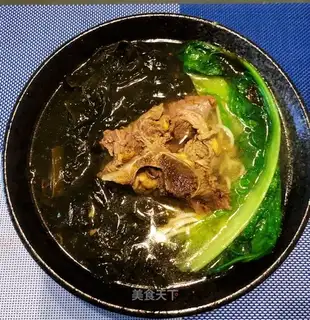
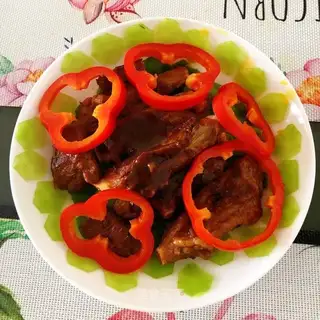
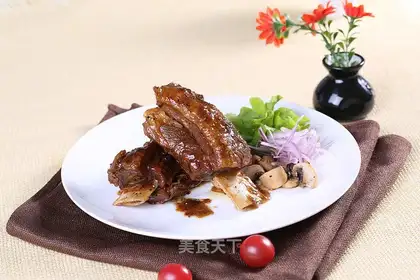
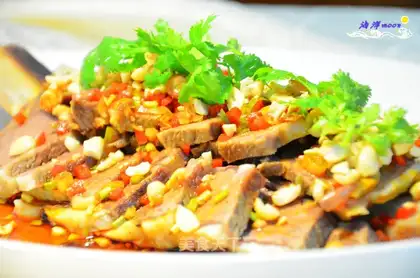
Beef short ribs, a cut of meat taken from the lower chest of the cow, have long been celebrated as a culinary treasure, prized for their rich marbling, tender texture when slow-cooked, and ability to infuse dishes with deep, savory flavor. Beyond their gastronomic appeal, however, short ribs are a nutritional powerhouse, offering a unique profile of macronutrients, vitamins, and minerals that support overall health. Like all foods, however, they must be consumed mindfully, as certain dietary considerations and preparation methods can influence their health impact. This article explores the nutritional value of beef short ribs, their key health benefits, and important guidelines for safe and enjoyable consumption.
Nutritional Value of Beef Short Ribs
Beef short ribs are a nutrient-dense food, meaning they provide a high concentration of essential nutrients relative to their calorie content. A 3-ounce (85-gram) serving of cooked boneless short ribs (trimmed of visible fat) contains approximately:
- Protein: 22–25 grams, providing all nine essential amino acids necessary for muscle repair, immune function, and enzyme production.
- Fat: 15–18 grams, with a mix of saturated, monounsaturated, and polyunsaturated fats. While saturated fat has historically been scrutinized, the monounsaturated fats (e.g., oleic acid, also found in olive oil) and conjugated linoleic acid (CLA) in beef offer unique health benefits.
- Micronutrients: Short ribs are exceptionally rich in:
- Vitamin B12: Critical for nerve function, red blood cell formation, and DNA synthesis; a single serving meets over 100% of the daily recommended intake.
- Zinc: Essential for immune health, wound healing, and testosterone production; beef is one of the most bioavailable sources of this mineral.
- Iron: Provides heme iron, which is absorbed 2–3 times more efficiently than non-heme iron (found in plants), supporting oxygen transport and preventing anemia.
- Selenium: A powerful antioxidant that supports thyroid function and protects cells from oxidative damage.
- Phosphorus: Works with calcium to build strong bones and teeth, and plays a role in energy metabolism.
- B Vitamins (Niacin, B6, Riboflavin): These vitamins are vital for converting food into energy, maintaining healthy skin, and supporting brain function.
The fat content in short ribs, while higher in cuts with visible marbling, also includes fat-soluble vitamins (A, D, E, K) and CLA, a fatty acid linked to improved body composition and reduced inflammation in some studies.
Key Health Benefits of Beef Short Ribs
When consumed as part of a balanced diet, beef short ribs offer a range of health benefits, thanks to their nutrient profile.
1. Supports Muscle Maintenance and Growth
The high-quality protein in short ribs is particularly beneficial for athletes, older adults, and those recovering from illness. Protein provides the amino acids needed to synthesize muscle tissue, helping to prevent age-related muscle loss (sarcopenia) and support post-exercise recovery. A 3-ounce serving of short ribs contains roughly 30% of the daily protein needs for an average adult, making it a valuable addition to muscle-building diets.
2. Enhances Immune Function
Zinc and vitamin B6 in short ribs are critical for a healthy immune system. Zinc deficiency impairs immune cell development and function, increasing susceptibility to infections, while vitamin B6 supports the production of antibodies and cytokines (proteins that regulate immune responses). For individuals at risk of deficiency—such as older adults or those with restrictive diets—short ribs can help meet these micronutrient needs.
3. Prevents Anemia and Boosts Energy
Heme iron in short ribs is essential for preventing iron-deficiency anemia, a condition characterized by fatigue, weakness, and shortness of breath. Unlike plant-based iron, heme iron is not inhibited by phytates or fiber, making it highly bioavailable. Additionally, the B vitamins in short ribs help convert carbohydrates, fats, and proteins into energy, combating fatigue and supporting metabolic health.
4. Promotes Bone Health
Phosphorus and calcium (though calcium is more abundant in dairy) work together to maintain bone density and strength. Phosphorus also plays a role in cellular repair and energy production, making it vital for overall bone health, especially in growing children and older adults at risk of osteoporosis.
5. Provides Satiety and Supports Weight Management
The protein and fat content in short ribs promote satiety, helping to curb hunger and reduce overall calorie intake. This can be particularly beneficial for weight management, as feeling full may prevent overeating or snacking on less nutrient-dense foods. CLA, found in beef fat, has also been studied for its potential to reduce body fat and improve metabolic health, though more research is needed to confirm these effects in humans.
Important Considerations and Potential Risks
While beef short ribs offer numerous health benefits, there are important considerations to keep in mind to ensure they are consumed safely and healthily.
1. Fat Content and Moderation
Beef short ribs, especially cuts with visible marbling, are relatively high in saturated fat. Excessive saturated fat intake has been linked to elevated LDL (“bad”) cholesterol and an increased risk of heart disease. To mitigate this, opt for leaner cuts (e.g., boneless short ribs trimmed of fat), practice portion control (limit to 3–4 ounces per serving), and balance the meal with fiber-rich vegetables (e.g., broccoli, spinach, or bell peppers) and whole grains to reduce overall saturated fat absorption.
2. Cooking Methods Matter
The way short ribs are prepared significantly impacts their healthfulness. Grilling, broiling, or charring meat at high temperatures can produce heterocyclic amines (HCAs) and polycyclic aromatic hydrocarbons (PAHs), compounds linked to inflammation and chronic diseases. To minimize these risks:
- Cook short ribs at lower temperatures (e.g., braising, slow-cooking, or stewing) to retain moisture and reduce HCA formation.
- Avoid charring the meat; trim off any blackened or charred portions before eating.
- Marinate the meat in acidic solutions (e.g., vinegar, lemon juice) or herbs (e.g., rosemary, garlic), which can reduce HCA formation by up to 90%.
3. Sodium Awareness
Many traditional short rib recipes (e.g., Korean galbi, Texas-style BBQ) use high-sodium ingredients like soy sauce, Worcestershire sauce, or salt to enhance flavor. Excessive sodium intake is a major risk factor for high blood pressure and heart disease. To reduce sodium:
- Use low-sodium broths and sauces, or make your own seasonings with herbs, spices, and citrus.
- Rinse canned or pre-marinated short ribs under water to remove excess sodium.
- Balance the meal with potassium-rich foods (e.g., sweet potatoes, bananas, spinach), as potassium helps counteract sodium’s effects on blood pressure.
4. Dietary Restrictions and Ethical Considerations
For individuals following plant-based diets, religious restrictions (e.g., halal or kosher), or ethical concerns about meat consumption, beef short ribs may not be suitable. Additionally, those with conditions like gout or kidney disease should limit purine-rich foods (including red meat) to avoid flare-ups or complications. In such cases, leaner protein sources (e.g., chicken, fish, or legumes) can provide similar benefits with fewer risks.
5. Quality and Sourcing
The nutritional profile of short ribs can vary depending on the cow’s diet and farming practices. Grass-fed beef, for example, tends to have higher levels of omega-3 fatty acids, CLA, and vitamin E compared to grain-fed beef. Choosing organic or grass-fed short ribs may reduce exposure to antibiotics and hormones, though these options are often more expensive. For budget-conscious consumers, trimming visible fat and opting for leaner cuts can still make short ribs a healthy choice.
Conclusion
Beef short ribs are more than just a indulgent dish—they are a nutrient-rich food that can support muscle growth, immune function, energy levels, and bone health when consumed in moderation and prepared wisely. By choosing lean cuts, cooking at lower temperatures, balancing meals with vegetables and whole grains, and being mindful of sodium and fat intake, individuals can enjoy the rich flavor and nutritional benefits of short ribs without compromising their health. As with any food, the key to enjoying beef short ribs lies in balance: savor them occasionally as part of a varied, nutrient-dense diet, and let their unique combination of flavor and nourishment enhance both your meals and your well-being.