Introduction
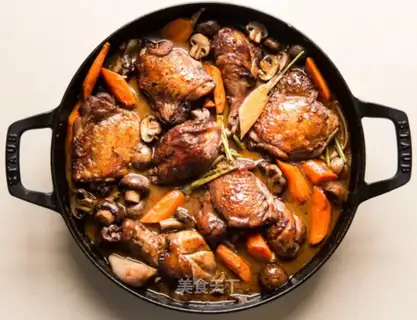
Spring chicken, often referred to as "broiler" or "young chicken," denotes chickens that are harvested at a tender age, typically between 6 to 12 weeks old. Unlike mature chickens, which are raised for longer periods to develop firmer meat and richer flavor, spring chicken prized for its delicate texture, succulent taste, and unique nutritional profile. As a staple in cuisines worldwide—from Asian congee to European roasts—spring chicken is not only a versatile culinary ingredient but also a nutritional powerhouse. This article explores the nutritional value of spring chicken, its health benefits, and important considerations for consumption to help individuals incorporate it into a balanced diet safely.
Nutritional Value of Spring Chicken
Spring chicken stands out for its exceptional nutritional composition, making it an ideal choice for health-conscious individuals. A 100-gram serving of cooked spring chicken (without skin) provides approximately 165 calories, 31 grams of high-quality protein, and 3.6 grams of fat, with less than 1 gram of saturated fat. This macronutrient profile makes it an excellent source of lean protein, essential for muscle growth, tissue repair, and overall bodily function.
Protein and Amino Acids
Protein is the most abundant nutrient in spring chicken, containing all nine essential amino acids that the human body cannot synthesize on its own. These amino acids, such as lysine, leucine, and tryptophan, play critical roles in:
- Muscle maintenance: Leucine, in particular, stimulates muscle protein synthesis, making spring chicken a favorite among athletes and fitness enthusiasts.
- Immune support: Amino acids like glutamine help maintain the integrity of the gut lining, which is crucial for immune function.
- Enzyme and hormone production: Proteins act as building blocks for enzymes (e.g., digestive enzymes) and hormones (e.g., insulin), regulating metabolic processes.
Vitamins
Spring chicken is rich in B vitamins, which are vital for energy metabolism and nervous system health:
- Vitamin B6 (Pyridoxine): A 100-gram serving provides about 0.5 milligrams (25% of the daily value), which aids in amino acid metabolism and red blood cell production.
- Niacin (B3): Important for converting food into energy and maintaining healthy skin and digestion. A serving of spring chicken contains approximately 8.5 milligrams (43% of the daily value).
- Riboflavin (B2): Supports energy production and antioxidant defense, with 0.2 milligrams per serving (15% of the daily value).
- Vitamin B12: Essential for nerve function and DNA synthesis, with 0.6 micrograms per serving (25% of the daily value). This is particularly important for vegetarians and vegans, who often lack B12 in their diets.
Additionally, spring chicken contains small amounts of vitamin A (for vision and immune health) and vitamin E (an antioxidant that protects cells from damage).
Minerals
The mineral content of spring chicken further enhances its nutritional value:
- Phosphorus: Works with calcium to build strong bones and teeth; a serving provides 200 milligrams (20% of the daily value).
- Selenium: A powerful antioxidant that supports thyroid function and reduces inflammation; a serving contains 22 micrograms (40% of the daily value).
- Iron: Essential for oxygen transport in the blood, with 1.3 milligrams per serving (7% of the daily value). The heme iron in chicken is more easily absorbed than the non-heme iron in plant foods.
- Zinc: Supports immune function, wound healing, and DNA synthesis, with 1.5 milligrams per serving (14% of the daily value).
Low Fat and Cholesterol
Compared to mature chicken, spring chicken has lower fat content, especially saturated fat. Removing the skin further reduces fat intake by up to 50%. While chicken contains cholesterol (about 85 milligrams per serving), research shows that dietary cholesterol has minimal impact on blood cholesterol levels for most people. Instead, saturated and trans fats are the primary drivers of elevated cholesterol.
Other Nutrients
Spring chicken also contains choline, a nutrient that supports brain development and liver function. A serving provides about 70 milligrams (15% of the daily value). Additionally, it provides small amounts of omega-3 fatty acids, particularly alpha-linolenic acid (ALA), which has anti-inflammatory properties.
Health Benefits of Spring Chicken
The combination of nutrients in spring chicken translates to numerous health benefits, making it a valuable addition to a balanced diet.
1. Supports Muscle Growth and Repair
The high-quality protein in spring chicken is essential for maintaining and building muscle mass, especially in older adults, athletes, and individuals recovering from illness or injury. Studies show that consuming 20–30 grams of protein per meal (equivalent to about 100 grams of spring chicken) maximizes muscle protein synthesis.
2. Promotes Weight Management
Spring chicken is low in calories and high in protein, which increases satiety and reduces overall calorie intake. Protein also has a higher thermic effect of food (TEF) than carbohydrates or fats, meaning the body burns more calories digesting it. A 2018 study published in the Journal of Nutrition found that high-protein diets are effective for weight loss and weight maintenance, as they help preserve muscle mass while reducing fat.
3. Strengthens Bones and Teeth
The phosphorus and calcium in spring chicken work together to maintain bone density. Phosphorus accounts for about 1% of body weight and is a key component of hydroxyapatite, the mineral complex that gives bones their strength. Adequate phosphorus intake reduces the risk of osteoporosis, especially in postmenopausal women.
4. Boosts Immune Function
Spring chicken contains several nutrients that support immune health:
- Vitamin B6: Essential for the production of antibodies and white blood cells.
- Selenium: Enhances the activity of natural killer (NK) cells, which target viruses and cancer cells.
- Zinc: Deficiency in zinc impairs immune cell function, increasing susceptibility to infections.
Traditional remedies like chicken soup for colds are rooted in science: the broth provides hydration, electrolytes, and amino acids that reduce inflammation and ease symptoms.
5. Supports Brain Health
Choline, found in spring chicken, is a precursor to acetylcholine, a neurotransmitter that regulates memory, mood, and muscle control. Adequate choline intake during pregnancy supports fetal brain development, while in adults, it may reduce the risk of age-related cognitive decline.
6. Enhances Skin and Hair Health
The protein and B vitamins in spring chicken are essential for maintaining healthy skin and hair. Collagen, a protein produced with the help of vitamin C (not present in chicken but often consumed with it), provides structure to skin and prevents wrinkles. Niacin (B3) improves skin barrier function, reducing dryness and inflammation.
7. Regulates Blood Sugar
Protein-rich foods like spring chicken have a minimal impact on blood sugar levels, making them suitable for individuals with diabetes or prediabetes. A 2020 study in Diabetes Care found that replacing high-carbohydrate meals with high-protein ones improved glycemic control in type 2 diabetic patients.
Consumption Precautions and Taboos
While spring chicken is highly nutritious, improper preparation or overconsumption may lead to health risks. Understanding these precautions ensures safe and enjoyable consumption.
1. Food Safety: Avoiding Bacterial Contamination
Chicken, including spring chicken, can be contaminated with harmful bacteria such as Salmonella and Campylobacter. To minimize risk:
- Cook thoroughly: Chicken should be cooked to an internal temperature of 74°C (165°F) to kill pathogens. Use a food thermometer to ensure doneness.
- Avoid cross-contamination: Use separate cutting boards for raw chicken and other foods, and wash hands thoroughly after handling raw poultry.
- Store properly: Raw chicken should be refrigerated at 4°C (40°F) or below and used within 1–2 days. Frozen chicken can be stored for up to 6 months.
2. Limit Processed Chicken Products
Processed chicken products (e.g., nuggets, sausages, deli meats) often contain high levels of sodium, preservatives (e.g., nitrates), and unhealthy fats. Excessive sodium intake increases blood pressure and the risk of heart disease, while nitrates have been linked to cancer. Opt for fresh, unprocessed spring chicken whenever possible.
3. Moderation for Certain Populations
- Individuals with gout: Chicken is a moderate-purine food, and excessive consumption may trigger gout attacks in susceptible individuals. Limit intake to 2–3 times per week and avoid organ meats (e.g., liver), which are high in purines.
- People with kidney disease: Spring chicken is high in protein, which may burden the kidneys in individuals with pre-existing kidney disease. Consult a healthcare provider or dietitian for personalized recommendations.
- Those on a low-fat diet: While spring chicken is lean, consuming the skin increases saturated fat intake. Remove the skin before cooking for a healthier option.
4. Allergies and Intolerances
Chicken allergies are rare but can cause symptoms such as hives, swelling, or anaphylaxis. Individuals with a chicken allergy should avoid all chicken products, including broth and stock. Some people may also experience intolerance to chicken due to histamine levels or additives in processed chicken.
5. Balanced Diet Considerations
While spring chicken is nutritious, it should be part of a diverse diet that includes fruits, vegetables, whole grains, and healthy fats. Relying too heavily on chicken may lead to nutrient deficiencies (e.g., lack of fiber or vitamin C from plant-based foods).
Conclusion
Spring chicken is a nutritional powerhouse that offers a wealth of health benefits, from supporting muscle growth and immune function to promoting brain and bone health. Its high protein content, low fat profile, and rich array of vitamins and minerals make it an ideal choice for individuals of all ages, from children to older adults. However, proper preparation and moderation are key to avoiding potential risks, such as bacterial contamination or excessive purine intake.
By incorporating fresh, unprocessed spring chicken into a balanced diet and following food safety guidelines, individuals can enjoy its delicious taste while reaping its nutritional rewards. Whether roasted, grilled, or stewed, spring chicken is a versatile and healthy addition to any meal plan, proving that good taste and good health can go hand in hand.