In the vast landscape of traditional Chinese medicine (TCM) and modern nutrition, few ingredients bridge the gap between ancient wisdom and contemporary science as gracefully as Poria cocos—commonly known as fu ling or "tuckahoe." This humble fungus, often overlooked in Western diets, has been a staple in Asian wellness practices for over two millennia. Revered for its mild flavor, adaptogenic properties, and versatile applications, Poria cocos is more than just a culinary ingredient; it is a nutritional treasure trove with profound health benefits. However, like all powerful natural remedies, it must be used mindfully. This article explores the nutritional profile of Poria cocos, its scientifically supported health benefits, and important precautions for safe consumption.
I. Nutritional Profile of Poria cocos
Poria cocos is a fungus belonging to the Polyporaceae family, primarily found on the roots of pine trees in China, Japan, and North America. In its natural form, it appears as a pale, woody mushroom, but it is most commonly consumed dried and processed into a fine white powder or sliced pieces. Its nutritional composition is unique, combining dietary fiber, bioactive compounds, and essential minerals with minimal calories.
1. Dietary Fiber and Polysaccharides
The most notable component of Poria cocos is its high content of polysaccharides, particularly beta-glucans. These complex carbohydrates are recognized for their prebiotic properties, which support gut health by promoting the growth of beneficial gut bacteria. A 100-gram serving of dried Poria cocos contains approximately 70–80 grams of dietary fiber, making it an excellent addition to diets aimed at improving digestion and satiety.
2. Bioactive Compounds
Beyond fiber, Poria cocos is rich in triterpenoids, a group of compounds studied for their anti-inflammatory, antioxidant, and immune-modulating effects. Triterpenoids such as pachymic acid and poricoic acid are believed to contribute to the fungus’s ability to regulate metabolic processes and protect cellular health. Additionally, it contains small amounts of ergosterol, a precursor to vitamin D when exposed to sunlight, though this contribution is minimal compared to direct dietary sources.
3. Minerals and Low-Calorie Nature
Poria cocos is a good source of essential minerals, including potassium, magnesium, and calcium, which play vital roles in nerve function, muscle contraction, and bone health. Notably, it is extremely low in calories—approximately 30–40 calories per 100 grams—making it a guilt-free ingredient for weight management diets. It is also naturally gluten-free, vegan, and low in fat, aligning with modern dietary trends focused on whole, unprocessed foods.
II. Health Benefits of Poria cocos
The therapeutic potential of Poria cocos is deeply rooted in TCM, where it is classified as a "calming" herb that balances the body’s "dampness"—a concept referring to excess fluid retention, bloating, and sluggish digestion. Modern research has begun to validate many of these traditional claims, highlighting its role in supporting immune function, metabolic health, and mental well-being.
1. Supports Digestive Health and Reduces "Dampness"
In TCM, Poria cocos is a cornerstone of formulas for digestive issues, particularly those involving bloating, diarrhea, and poor appetite. Its high fiber content adds bulk to stool, promoting regularity, while its polysaccharides act as prebiotics, nourishing the gut microbiome. Studies suggest that beta-glucans in Poria cocos may enhance the intestinal barrier function, reducing inflammation in conditions like irritable bowel syndrome (IBS). For example, a 2018 study published in Journal of Ethnopharmacology found that Poria cocos extract improved gut microbiota diversity and alleviated colitis symptoms in mice, offering promising implications for human digestive health.
2. Enhances Immune Function
The beta-glucans in Poria cocos are potent immunomodulators, meaning they can both stimulate and regulate the immune system. Research indicates these compounds activate macrophages—immune cells that engulf pathogens—and enhance the activity of natural killer (NK) cells, which target infected or cancerous cells. A 2020 study in Frontiers in Immunology demonstrated that Poria cocos polysaccharides boosted antibody production and improved immune response in elderly subjects, suggesting potential as a natural immune-boosting supplement, especially for aging populations or those with compromised immunity.
3. Promotes Weight Management and Metabolic Health
With its high fiber and low-calorie profile, Poria cocos is an ally in weight management. Fiber slows gastric emptying, increasing feelings of fullness and reducing overall calorie intake. Additionally, animal studies suggest that Poria cocos extract may regulate lipid metabolism by inhibiting fat accumulation and improving insulin sensitivity. A 2019 study in Phytotherapy Research found that obese rats fed Poria cocos powder showed reduced body weight, lower triglyceride levels, and improved glucose tolerance, pointing to its potential role in preventing metabolic syndrome.
4. Anti-Cancer and Antioxidant Properties
The triterpenoids in Poria cocos have garnered attention for their anti-cancer potential. Pachymic acid, in particular, has been shown to induce apoptosis (programmed cell death) in cancer cells and inhibit tumor growth in studies on breast, lung, and liver cancers. While human trials are limited, in vitro and animal studies are promising. Furthermore, Poria cocos is rich in antioxidants, which neutralize free radicals—unstable molecules that cause oxidative stress and cellular damage. By reducing oxidative stress, it may lower the risk of chronic diseases, including cardiovascular disease and neurodegenerative disorders like Alzheimer’s.
5. Improves Sleep and Reduces Stress
In TCM, Poria cocos is often paired with other herbs to calm the mind and improve sleep. Modern research suggests its adaptogenic properties help the body adapt to stress by regulating the hypothalamic-pituitary-adrenal (HPA) axis, which controls stress hormone production. A 2021 study in Journal of Natural Medicines found that Poria cocos extract reduced anxiety-like behavior in mice by modulating neurotransmitters like serotonin and GABA. While more human studies are needed, these findings support its traditional use as a natural remedy for insomnia and stress.
III. Culinary Uses and Preparation
One of Poria cocos’ greatest strengths is its versatility in the kitchen. With a mild, neutral flavor—often described as slightly sweet and earthy—it blends seamlessly into both sweet and savory dishes without overpowering other ingredients. Here are popular ways to incorporate it into your diet:
1. Powders and Teas
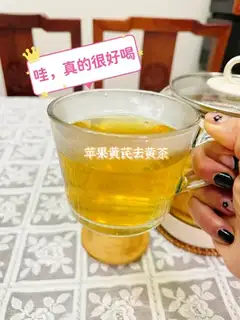
Dried Poria cocos powder is the most convenient form for daily use. It can be added to smoothies, oatmeal, soups, or brewed as a tea. For a calming nighttime tea, combine 1 teaspoon of Poria cocos powder with chamomile, honey, and a slice of ginger.
2. Broths and Soups
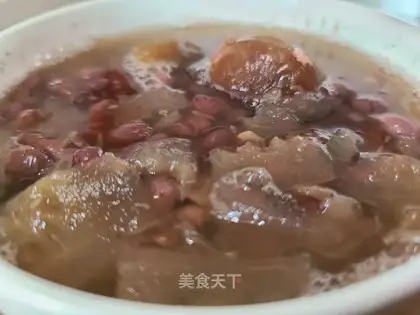
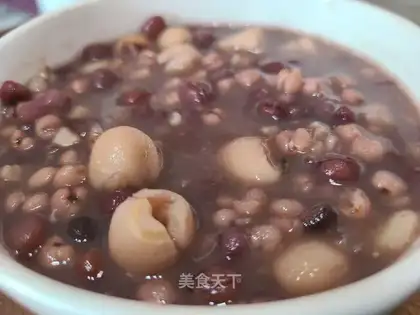
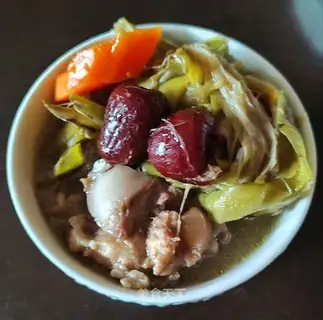
In Chinese cuisine, Poria cocos slices are often simmered in bone broth or vegetable soups to enhance flavor and nutritional value. A classic example is "five-spice soup," which includes Poria cocos, Chinese yam, lotus seed, and goji berries to support digestion and vitality.
3. Baking and Desserts
Its mild taste makes Poria cocos powder an excellent addition to baked goods. Try mixing it into bread, muffins, or energy bars for a fiber boost. For a traditional treat, it can be used to make Poria cocos cookies or "jian dui" (a type of sweet rice flour ball filled with Poria cocos paste).
4. Tinctures and Supplements
For those seeking concentrated benefits, Poria cocos is available in capsule or tincture form. Follow dosage instructions on product labels, as concentrations vary.
IV. Precautions and Potential Side Effects
While Poria cocos is generally safe for most people, it is not without precautions. Understanding its contraindications and proper usage is crucial to avoiding adverse effects.
1. Kidney and Electrolyte Balance
Poria cocos has a mild diuretic effect, increasing urine output. While this can be beneficial for reducing bloating, excessive consumption may lead to electrolyte imbalances, particularly in individuals with kidney disease or those taking diuretic medications. People with chronic kidney issues should consult a healthcare provider before using Poria cocos regularly.
2. Blood Sugar and Medication Interactions
Animal studies suggest Poria cocos may lower blood sugar levels, which is beneficial for people with diabetes but potentially dangerous for those on insulin or blood sugar-lowering medications. Diabetics should monitor their blood sugar closely when using Poria cocos and adjust medication dosages under medical supervision.
3. Pregnancy and Breastfeeding
There is limited research on Poria cocos’s safety during pregnancy and breastfeeding. TCM traditionally advises pregnant women to avoid it due to its diuretic properties, which could theoretically affect fluid balance. Expectant or nursing mothers should err on the side of caution and avoid consumption unless explicitly approved by a healthcare provider.
4. Allergic Reactions
Though rare, some individuals may experience allergic reactions to Poria cocos, particularly those with mushroom sensitivities. Symptoms may include skin rashes, itching, or digestive upset. Discontinue use if adverse reactions occur and seek medical attention if symptoms are severe.
5. Dosage Moderation
As with any supplement, moderation is key. A typical daily dose of Poria cocos powder is 3–10 grams, while tea or broth preparations may use 5–15 grams of dried slices. Exceeding these amounts may increase the risk of side effects without enhancing benefits.
V. Conclusion
Poria cocos is a remarkable ingredient that exemplifies the synergy between traditional medicine and modern nutrition. Its rich polysaccharide content, anti-inflammatory triterpenoids, and high fiber make it a valuable ally for digestive health, immune function, weight management, and stress reduction. From soothing teas to hearty broths, its culinary versatility ensures it can be incorporated into a balanced diet with ease.
However, its potency demands respect. By understanding its precautions—particularly for individuals with kidney disease, diabetes, or pregnancy concerns—Poria cocos can be safely enjoyed as a cornerstone of holistic wellness. As research continues to uncover its full potential, this humble fungus is poised to gain well-deserved recognition in global health and nutrition, bridging ancient traditions and modern science for a healthier future.
In a world where natural, functional foods are increasingly valued, Poria cocos stands out as a testament to the power of nature to nourish, heal, and inspire. Whether you seek to calm your digestive system, boost your immunity, or simply add a nutritious twist to your meals, Poria cocos offers a timeless solution—one that honors the wisdom of the past while embracing the possibilities of the present.