Introduction
In the vast landscape of traditional and functional foods, red coix seed (Coix lacryma-jobi var. ma-yuen), commonly known as hongyi in Chinese or job’s tears in English, stands out as a humble yet powerhouse ingredient. Cultivated for thousands of years across Asia, this small, oval-shaped grain with a reddish-brown husk has been a staple in both culinary and medicinal practices. Renowned for its versatility and health-promoting properties, red coix seed is gaining global recognition as a "superfood." This article explores its nutritional profile, evidence-based health benefits, and important precautions to ensure safe and effective consumption.
Nutritional Value of Red Coix Seed
Red coix seed is a nutritional treasure trove, offering a balanced combination of macronutrients, fiber, vitamins, minerals, and bioactive compounds. Its nutritional composition contributes to its reputation as a functional food with therapeutic potential.
Macronutrients and Fiber
A 100-gram serving of cooked red coix seed provides approximately 360 calories, 12-14 grams of protein, 1-2 grams of fat, and 70-75 grams of carbohydrates, with 8-10 grams of dietary fiber. Unlike refined grains, red coix seed is a complex carbohydrate, meaning it digests slowly, providing sustained energy and helping stabilize blood sugar levels. The high fiber content, primarily soluble fiber, supports digestive health by promoting regularity and feeding beneficial gut bacteria.
Protein and Amino Acids
Red coix seed is a valuable plant-based protein source, containing all essential amino acids, including lysine and methionine, which are often limited in cereal grains. Its protein quality is comparable to that of soybean, making it an excellent alternative for vegetarians, vegans, and individuals seeking to reduce animal product consumption.
Vitamins and Minerals
This grain is rich in essential micronutrients:
- B vitamins: Thiamine (B1), riboflavin (B2), and niacin (B3) are abundant, playing key roles in energy metabolism and nervous system function.
- Minerals: It is a good source of magnesium (critical for muscle and nerve function), potassium (regulates blood pressure), calcium (for bone health), iron (prevents anemia), and zinc (supports immune function).
- Antioxidants: Red coix seed contains phenolic compounds, flavonoids, and anthocyanins (responsible for its reddish hue), which combat oxidative stress by neutralizing free radicals.
Bioactive Compounds
The most studied bioactive component in red coix seed is coixenolide, a triterpenoid compound with anti-inflammatory, anti-cancer, and immune-modulating effects. Additionally, it contains coixol and coixanol, polysaccharides that have been shown to enhance immune function and reduce inflammation.
Health Benefits of Red Coix Seed
The nutritional and bioactive profile of red coix seed translates into a wide range of health benefits, supported by both traditional use and modern scientific research.
1. Supports Weight Management
Red coix seed is a valuable ally for weight loss and maintenance. Its high fiber content increases satiety, reducing overall calorie intake by curbing hunger pangs. Studies indicate that the soluble fiber in red coix seed forms a gel-like substance in the digestive tract, slowing gastric emptying and prolonging feelings of fullness. Additionally, its low glycemic index (GI) prevents spikes in blood sugar, which can trigger cravings and fat storage. A 2018 study published in the Journal of Functional Foods found that overweight participants consuming red coix seed extract for 12 weeks experienced significant reductions in body weight, BMI, and waist circumference compared to the placebo group.
2. Promotes Digestive Health
The fiber in red coix seed acts as a prebiotic, nourishing beneficial gut bacteria such as Bifidobacterium and Lactobacillus. A healthy gut microbiome is linked to improved digestion, enhanced nutrient absorption, and a reduced risk of gastrointestinal disorders like irritable bowel syndrome (IBS) and constipation. Moreover, red coix seed’s anti-inflammatory properties soothe the intestinal lining, alleviating symptoms of inflammatory bowel diseases (IBD) such as Crohn’s disease and ulcerative colitis.
3. Regulates Blood Sugar and Prevents Diabetes
Due to its low GI and high fiber content, red coix seed helps stabilize blood sugar levels by slowing the absorption of glucose in the bloodstream. This is particularly beneficial for individuals with type 2 diabetes or those at risk of developing the condition. Research shows that coixenolide and polysaccharides in red coix seed enhance insulin sensitivity, allowing cells to use glucose more efficiently. A 2020 study in Diabetes/Metabolism Research and Reviews demonstrated that diabetic patients who incorporated red coix seed into their diet had lower fasting blood glucose levels and improved HbA1c (a long-term blood sugar marker) after 8 weeks.
4. Reduces Inflammation
Chronic inflammation is a root cause of many diseases, including heart disease, arthritis, and cancer. Red coix seed’s anti-inflammatory properties are attributed to its bioactive compounds, particularly coixenolide and flavonoids. These compounds inhibit pro-inflammatory enzymes like COX-2 and cytokines such as TNF-α and IL-6. A 2019 study in Phytotherapy Research found that red coix seed extract reduced inflammation in patients with rheumatoid arthritis, improving joint pain and stiffness.
5. Enhances Immune Function
The polysaccharides in red coix seed stimulate the activity of immune cells, including macrophages, natural killer (NK) cells, and T-lymphocytes, which play a crucial role in defending the body against infections and cancer. Research published in the International Journal of Biological Macromolecules showed that red coix seed polysaccharides enhanced the immune response in mice exposed to pathogens, suggesting potential applications for boosting immunity in humans.
6. Supports Skin Health
Red coix seed’s antioxidant and anti-inflammatory properties make it beneficial for skin health. It helps combat oxidative stress, which accelerates aging and causes skin damage. Additionally, its ability to regulate sebum production and reduce inflammation makes it effective in treating acne and other inflammatory skin conditions. In traditional Chinese medicine, red coix seed is often ground into a paste and applied topically to soothe skin irritations and promote wound healing.
7. Potential Anti-Cancer Effects
Preliminary studies suggest that red coix seed may have anti-cancer properties, particularly in inhibiting the growth of breast, lung, and colon cancer cells. Coixenolide has been shown to induce apoptosis (programmed cell death) in cancer cells and suppress tumor angiogenesis (the formation of new blood vessels that feed tumors). While more human clinical trials are needed, these findings highlight red coix seed’s potential as a complementary therapy in cancer prevention and treatment.
Precautions and Side Effects
While red coix seed is generally safe for most people, certain precautions should be taken to avoid adverse effects:
1. Pregnancy and Breastfeeding
Pregnant women should avoid consuming large amounts of red coix seed, as it may stimulate uterine contractions and increase the risk of miscarriage. Traditional Chinese medicine classifies red coix seed as a "cold" food, which may disrupt the body’s balance during pregnancy. Breastfeeding women should consult a healthcare provider before use, as there is limited safety data.
2. Gastrointestinal Sensitivity
The high fiber content in red coix seed may cause bloating, gas, or diarrhea in individuals with sensitive digestive systems. To minimize these effects, start with small portions and gradually increase intake. Soaking red coix seed overnight before cooking can also reduce its fiber content and improve digestibility.
3. Allergies
Although rare, some individuals may be allergic to red coix seed, experiencing symptoms such as itching, hives, or difficulty breathing. If you have a known allergy to grains or grasses (e.g., wheat, rice), exercise caution and consult a doctor before consumption.
4. Medication Interactions
Red coix seed may interact with certain medications, particularly blood sugar-lowering drugs (e.g., metformin) and blood pressure medications. Its ability to lower blood sugar and pressure may enhance the effects of these drugs, leading to hypoglycemia or hypotension. Individuals taking such medications should monitor their levels closely and consult a healthcare provider.
5. Traditional Contraindications
In traditional Chinese medicine, red coix seed is contraindicated for individuals with "cold" constitutions (e.g., those who often feel cold, have poor digestion, or experience loose stools). Excessive consumption may exacerbate these symptoms due to its cooling nature.
Culinary Uses and Preparation
Red coix seed is versatile and can be incorporated into a variety of dishes:
- Soups and Stews: Add cooked red coix seed to soups, broths, or stews for a nutty flavor and creamy texture. It pairs well with chicken, pork, or vegetables.
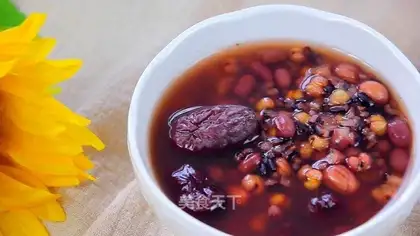
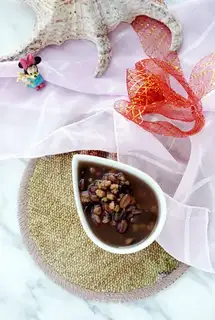
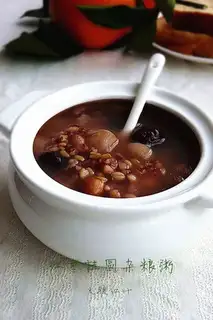
- Porridge and Congee: Cook red coix seed with rice or other grains to make a nutritious porridge. Sweeten with honey or fruit for a breakfast option.
- Salads: Use cooked and cooled red coix seed in salads for a crunchy, protein-rich addition.
- Teas and Infusions: Roast red coix seeds and steep them in hot water to make a soothing tea, often combined with other herbs like goji berries or red dates.
To maximize nutritional benefits, soak red coix seed for 2-4 hours before cooking to reduce cooking time and improve nutrient absorption. Cook it in a ratio of 1:3 (red coix seed to water) for 40-60 minutes until tender.
Conclusion
Red coix seed is a nutritional powerhouse with a rich history of use in traditional medicine and modern functional foods. Its high fiber, protein, and bioactive compound content make it a valuable addition to a healthy diet, offering benefits for weight management, digestive health, blood sugar regulation, inflammation reduction, and immune support. However, it is important to consume it in moderation and take necessary precautions, especially during pregnancy or when taking medications. By incorporating red coix seed into meals mindfully, individuals can harness its potential to enhance overall health and well-being. As research continues to uncover its therapeutic properties, this humble grain is poised to become a staple in global health-conscious diets.