Introduction
In the ever-expanding landscape of superfoods, few ingredients boast the historical depth and multifaceted benefits of kudzu root powder (ge gen fen in Chinese). Derived from the Pueraria lobata plant—a vine native to Asia but now found in temperate regions worldwide—kudzu root has been a staple in traditional Chinese medicine (TCM) for over 1,800 years. Revered for its cooling properties and healing potential, it has transitioned from ancient herbal remedies to modern health supplements, smoothie bowls, and functional foods. Today, kudzu root powder is celebrated globally for its impressive nutritional profile, ranging from plant-based proteins to antioxidants, and its role in supporting metabolic, cardiovascular, and neurological health. However, like any potent remedy, it requires mindful consumption. This article explores the nutritional value of kudzu root powder, its evidence-based health benefits, and important precautions to ensure safe and effective use.
Nutritional Value of Kudzu Root Powder
Kudzu root powder is a nutrient-dense whole food, rich in macronutrients, micronutrients, and bioactive compounds that contribute to its therapeutic properties. Its nutritional profile can be broken down into three key categories: macronutrients, micronutrients, and bioactive compounds.
Macronutrients
Primarily composed of complex carbohydrates, kudzu root powder is a valuable source of dietary fiber, particularly resistant starch and isoflavones. A 100-gram serving of raw kudzu root contains approximately 80 grams of carbohydrates, 60% of which is fiber. This fiber acts as a prebiotic, nourishing beneficial gut bacteria and promoting digestive regularity. While relatively low in protein (around 3–5% per 100 grams), it provides all essential amino acids, making it a complementary protein source for plant-based diets. Fat content is minimal (less than 1%), with no saturated fats, making it an ideal addition to low-fat diets.
Micronutrients
Kudzu root powder is a good source of essential minerals, including manganese, magnesium, and iron. Manganese, critical for antioxidant enzyme function, is particularly abundant, with a 100-gram serving providing over 50% of the daily recommended intake. Magnesium supports muscle and nerve function, while iron aids in oxygen transport and energy production. It also contains smaller amounts of calcium, potassium, and phosphorus, all vital for bone health and electrolyte balance. Notably, kudzu root is a natural source of vitamin C, though levels vary based on processing and preparation.
Bioactive Compounds
The true power of kudzu root powder lies in its concentration of phytochemicals, plant compounds that drive its health benefits. The most prominent are:
- Isoflavones: Kudzu root is one of the richest natural sources of isoflavones, particularly daidzein, genistein, and glycitein. These phytoestrogens mimic estrogen in the body, making them valuable for hormonal balance.
- Saponins: Compounds like kudzusaponins have anti-inflammatory and immune-modulating effects.
- Flavonoids: Quercetin and kaempferol, potent antioxidants, protect cells from oxidative stress caused by free radicals.
- Puerarin: A unique isoflavone unique to kudzu root, puerarin is studied extensively for its neuroprotective and cardioprotective properties.
Health Benefits of Kudzu Root Powder
Centuries of TCM practice and modern research both highlight kudzu root powder’s ability to address a range of health concerns. From managing chronic diseases to supporting daily wellness, its benefits are backed by growing scientific evidence.
1. Supports Cardiovascular Health
Heart disease remains a leading global cause of death, and kudzu root powder offers a natural approach to reducing risk factors. Its isoflavones, particularly puerarin, have been shown to:
- Lower Blood Pressure: Puerarin inhibits angiotensin-converting enzyme (ACE), a key player in regulating blood pressure. A 2013 study in Journal of Ethnopharmacology found that kudzu root extract reduced systolic blood pressure in hypertensive patients by an average of 10–15 mmHg over 8 weeks.
- Improve Lipid Profiles: Isoflavones decrease LDL (“bad”) cholesterol and increase HDL (“good”) cholesterol, reducing arterial plaque buildup. A 2020 meta-analysis in Phytomedicine confirmed that kudzu root supplementation significantly lowered total and LDL cholesterol in adults with hyperlipidemia.
- Enhance Circulation: By promoting vasodilation (widening of blood vessels), kudzu root improves blood flow, which benefits both heart and brain health.
2. Regulates Blood Sugar and Diabetes Management
With over 422 million people living with diabetes worldwide, natural blood sugar regulators are in high demand. Kudzu root powder excels in this area due to its high fiber content and isoflavones:
- Slows Carbohydrate Absorption: The fiber in kudzu root delays the digestion and absorption of sugars, preventing sharp spikes in blood glucose after meals.
- Increases Insulin Sensitivity: Isoflavones enhance insulin signaling, allowing cells to use glucose more efficiently. A 2019 study in Nutrients found that postmenopausal women with type 2 diabetes who consumed kudzu root powder for 12 weeks had significantly lower fasting blood sugar and HbA1c (a long-term blood sugar marker) than the control group.
3. Promotes Digestive Health
As a prebiotic fiber, kudzu root powder nourishes the gut microbiome, the community of bacteria that plays a critical role in immunity, metabolism, and mental health. Benefits include:
- Relieves Constipation: The soluble fiber absorbs water in the colon, softening stools and promoting regularity. TCM practitioners have long used kudzu root to treat “heat-induced constipation,” a condition characterized by dry, hard stools.
- Reduces Inflammation: Saponins and flavonoids in kudzu root soothe intestinal inflammation, making it potentially beneficial for conditions like irritable bowel syndrome (IBS).
- Supports Gut Barrier Function: By increasing short-chain fatty acid (SCFA) production, kudzu root strengthens the intestinal lining, preventing “leaky gut” and the associated inflammation.
4. Alleviates Menopausal Symptoms
The phytoestrogens in kudzu root make it a popular natural remedy for menopausal discomfort, which results from declining estrogen levels. Research shows:
- Reduces Hot Flashes: A 2015 study in Menopause found that women taking 150 mg of kudzu root extract daily experienced a 50% reduction in hot flash frequency over 6 months, comparable to low-dose hormone therapy.
- Improves Bone Density: Estrogen loss during menopause accelerates bone loss, increasing osteoporosis risk. Isoflavones inhibit bone resorption (breakdown) and stimulate bone formation, as demonstrated in a 2021 meta-analysis in Osteoporosis International.
5. Neuroprotective and Cognitive Benefits
Kudzu root’s neuroprotective effects, largely attributed to puerarin, have garnered attention for their potential to prevent or slow neurodegenerative diseases:
- Protects Against Alzheimer’s: Puerarin reduces amyloid-beta plaque accumulation (a hallmark of Alzheimer’s) and inhibits oxidative stress in brain cells. Animal studies show it improves memory and cognitive function in models of Alzheimer’s disease.
- Reduces Stroke Risk: By improving blood flow and anti-inflammatory effects, kudzu root may lower the risk of ischemic stroke (caused by blocked blood vessels to the brain). A 2018 study in Phytomedicine found that puerarin administration reduced brain damage in stroke-induced rats by 40%.
- Eases Hangover Symptoms: Kudzu root has been traditionally used to treat alcohol intoxication in East Asia. Modern research confirms that puerarin accelerates alcohol metabolism by upregulating alcohol dehydrogenase (ADH) and aldehyde dehydrogenase (ALDH), enzymes that break down alcohol and its toxic byproduct, acetaldehyde.
6. Anti-Aging and Skin Health
The antioxidants in kudzu root combat oxidative stress, a key driver of aging and skin damage. Benefits include:
- Reduces Wrinkles and Fine Lines: Flavonoids like quercetin neutralize free radicals, preventing collagen breakdown and maintaining skin elasticity.
- Soothes Skin Inflammation: Saponins have anti-inflammatory properties, making kudzu root powder useful for conditions like acne, eczema, and psoriasis.
- Detoxifies the Body: In TCM, kudzu root is considered a “detoxifying” herb that clears “heat toxins” from the body, which modern interpreters link to its ability to support liver function and eliminate toxins.
Precautions and Potential Side Effects
While kudzu root powder is generally safe for most people when consumed in moderation, it is not without risks. Certain populations should exercise caution, and excessive intake may lead to adverse effects.
1. Estrogen-Sensitive Conditions
Due to its high isoflavone content, kudzu root may act as a phytoestrogen, which can exacerbate hormone-sensitive conditions. Individuals with:
- Breast cancer, ovarian cancer, or endometriosis should avoid kudzu root unless approved by their oncologist or gynecologist.
- Uterine fibroids or endometrial hyperplasia (thickening of the uterine lining) may also worsen with estrogenic herbs.
2. Blood Sugar and Blood Pressure Medications
Kudzu root’s ability to lower blood sugar and blood pressure may enhance the effects of medications, leading to hypoglycemia (low blood sugar) or hypotension (low blood pressure). People taking:
- Diabetes drugs (e.g., metformin, insulin) should monitor their blood sugar closely when adding kudzu root powder.
- Antihypertensive medications (e.g., ACE inhibitors, diuretics) should consult their doctor to adjust dosages if necessary.
3. Pregnancy and Breastfeeding
There is limited research on kudzu root’s safety during pregnancy and breastfeeding. TCM traditionally advises against it during pregnancy due to its “cooling” properties and potential effects on uterine tone. Pregnant or breastfeeding women should avoid kudzu root powder unless directed by a healthcare provider.
4. Bleeding Disorders
Kudzu root may have mild antiplatelet effects, increasing the risk of bleeding in people with bleeding disorders or those taking blood-thinning medications (e.g., warfarin, aspirin). Those scheduled for surgery should stop using kudzu root at least 2 weeks beforehand to prevent excessive bleeding.
5. Gastrointestinal Discomfort
While kudzu root fiber benefits most people, excessive intake (more than 10 grams per day) may cause bloating, gas, or diarrhea. Starting with small doses (1–2 teaspoons daily) and gradually increasing can help minimize these side effects.
6. Quality and Purity
As with any herbal supplement, the quality of kudzu root powder varies. Choose products from reputable brands that:
- Test for contaminants: Ensure the powder is free of heavy metals, pesticides, and microbes.
- Use organic roots: Avoid products treated with chemical pesticides or fertilizers.
- Standardize isoflavone content: Look for supplements with at least 10% isoflavones to ensure potency.
How to Incorporate Kudzu Root Powder into Your Diet
Kudzu root powder is versatile and can be added to a variety of foods and beverages. Here are some popular ways to use it:
- Smoothies: Mix 1–2 teaspoons into fruit, vegetable, or protein smoothies for a nutrient boost.
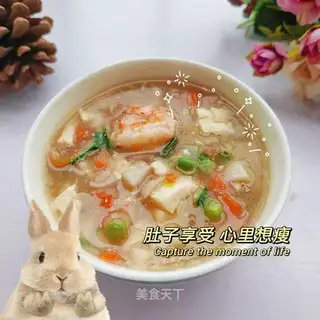
- Oatmeal or Porridge: Stir into hot oatmeal or congee for added fiber and creaminess.
- Soups and Stews: Use as a thickener (it has a mild, starchy texture) in soups like miso or hot and sour soup.
- Baking: Replace 10–15% of the flour in recipes for bread, muffins, or pancakes to increase fiber content.
- Herbal Tea: Mix with hot water (or cold water for a “jelly” texture) and sweeten with honey or stevia.
Conclusion
Kudzu root powder is a remarkable example of how traditional wisdom and modern science converge to promote health. Its rich nutritional profile—packed with fiber, isoflavones, and antioxidants—makes it a valuable ally for cardiovascular health, blood sugar regulation, digestive wellness, and more. However, its potent effects also demand respect: individuals with hormone-sensitive conditions, those on medications, and pregnant or breastfeeding women should consult a healthcare provider before use. When sourced wisely and consumed mindfully, kudzu root powder can be a safe and effective addition to a balanced diet, bridging the gap between ancient herbal medicine and contemporary functional nutrition. As research continues to uncover its potential, this humble “kudzu vine” root may well solidify its place as a cornerstone of global health and wellness.