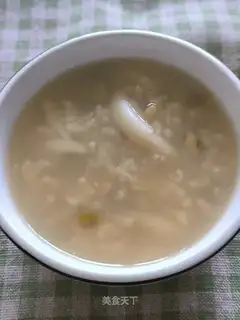
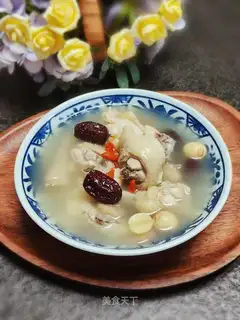
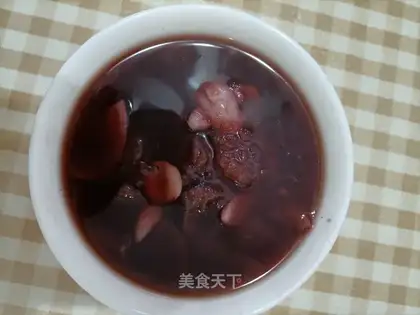
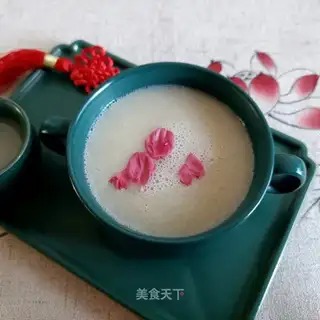
In the world of culinary and medicinal herbs, certain ingredients stand out for their unique blend of flavor, versatility, and health-promoting properties. Dried lily bulb (百合干), derived from the bulbs of the Lilium species, particularly Lilium brownii or Lilium pumilum, is a treasured staple in traditional Asian cuisine and medicine. With a subtle, sweet flavor and a crisp, chewy texture when rehydrated, it is used in soups, stir-fries, and desserts. Beyond its culinary appeal, dried lily bulb has been celebrated for centuries for its impressive nutritional profile and therapeutic effects. However, like many potent natural ingredients, it requires mindful consumption to avoid potential risks. This article explores the nutritional value of dried lily bulb, its key health benefits, and important precautions to consider when incorporating it into your diet.
Nutritional Value of Dried Lily Bulb
Dried lily bulb is a nutrient-dense food, offering a balanced combination of vitamins, minerals, antioxidants, and unique bioactive compounds. While its exact nutritional composition can vary slightly based on processing and origin, it is generally low in calories but rich in essential nutrients that support overall health.
1. Carbohydrates and Dietary Fiber
As a plant-based food, dried lily bulb is primarily composed of carbohydrates, with a significant portion being dietary fiber. A 100-gram serving of dried lily bulb contains approximately 75–80 grams of carbohydrates, including 6–8 grams of fiber. Fiber plays a crucial role in digestive health by promoting regular bowel movements, preventing constipation, and supporting a healthy gut microbiome. It also aids in blood sugar regulation by slowing the absorption of sugars, making it a beneficial food for individuals with diabetes or insulin resistance.
2. Protein and Amino Acids
Though not a complete protein source, dried lily bulb contains small amounts of protein (5–7 grams per 100 grams), including essential amino acids like lysine and arginine. These amino acids are vital for muscle repair, immune function, and the production of enzymes and hormones. While it should not replace animal or plant-based proteins as a primary source, it can complement a balanced diet.
3. Vitamins
Dried lily bulb is a good source of several B vitamins, including vitamin B1 (thiamine), vitamin B2 (riboflavin), and vitamin B6. These vitamins are essential for energy metabolism, as they help convert food into usable energy. It also contains small amounts of vitamin C, an antioxidant that supports immune function, skin health, and collagen synthesis. Additionally, it provides vitamin E, which protects cells from oxidative damage caused by free radicals.
4. Minerals
The mineral content of dried lily bulb is particularly noteworthy. It is rich in potassium, a mineral that regulates fluid balance, nerve signals, and muscle contractions. A 100-gram serving may contain up to 500–700 milligrams of potassium, making it a heart-healthy food that helps lower blood pressure by counteracting the effects of sodium. It also provides calcium (important for bone health), magnesium (for muscle and nerve function), iron (for red blood cell production), and manganese (for antioxidant defense and metabolism).
5. Bioactive Compounds
One of the most valuable aspects of dried lily bulb is its high concentration of bioactive compounds, including polysaccharides, flavonoids, and saponins. These compounds are responsible for many of its health benefits. Polysaccharides, in particular, have been studied for their immunomodulatory, anti-inflammatory, and antioxidant properties. Flavonoids, such as rutin and quercetin, help reduce oxidative stress and protect against chronic diseases. Saponins, found in many medicinal plants, contribute to anti-inflammatory and cholesterol-lowering effects.
Key Health Benefits of Dried Lily Bulb
The combination of nutrients and bioactive compounds in dried lily bulb translates into a range of health benefits, supported by both traditional use and modern scientific research.
1. Respiratory Health Support
In traditional Chinese medicine (TCM), dried lily bulb is classified as a "moistening" herb, often used to soothe dry coughs, sore throats, and respiratory discomfort. Its high mucilage content—a gel-like substance that coats and soothes irritated tissues—makes it particularly effective for conditions like dry coughs caused by heat, pollution, or chronic respiratory issues. Studies suggest that its polysaccharides may help reduce inflammation in the airways and enhance immune function, potentially lowering the risk of respiratory infections.
2. Stress Relief and Mental Well-being
Dried lily bulb is renowned for its calming effects on the nervous system. In TCM, it is believed to "nourish the heart and calm the spirit," making it a popular remedy for anxiety, insomnia, and restlessness. Modern research indicates that its bioactive compounds, particularly flavonoids and polysaccharides, may modulate neurotransmitter activity, reducing stress hormones like cortisol and promoting relaxation. Regular consumption may help improve sleep quality and alleviate symptoms of mild anxiety.
3. Anti-inflammatory and Antioxidant Effects
Chronic inflammation and oxidative stress are underlying factors in many diseases, including heart disease, diabetes, and cancer. Dried lily bulb is rich in antioxidants that neutralize free radicals, preventing cellular damage. Its polysaccharides and flavonoids have been shown to inhibit pro-inflammatory enzymes like COX-2, reducing inflammation in the body. By mitigating these processes, dried lily bulb may help lower the risk of chronic diseases and slow aging.
4. Skin Health and Anti-aging
The vitamin C and E content in dried lily bulb, combined with its antioxidant properties, makes it a valuable food for skin health. Vitamin C is essential for collagen synthesis, which maintains skin elasticity and firmness, while vitamin E protects skin cells from UV damage and pollution. Additionally, its moisturizing effects—both when consumed topically (in some traditional remedies) or ingested—help keep the skin hydrated and supple. Regular consumption may reduce the appearance of fine lines, wrinkles, and dryness.
5. Digestive Health
The high fiber content of dried lily bulb supports digestive health by promoting regular bowel movements and preventing constipation. Its mucilage also soothes the digestive tract, making it beneficial for individuals with gastritis, acid reflux, or irritable bowel syndrome (IBS). Some studies suggest that its polysaccharides may act as prebiotics, feeding beneficial gut bacteria and improving overall gut microbiome balance.
6. Cardiovascular Health
Dried lily bulb’s potassium content and low sodium profile make it a heart-healthy food. Potassium helps regulate blood pressure by counteracting the effects of sodium, reducing the risk of hypertension and stroke. Its flavonoids and saponins may also lower LDL ("bad") cholesterol and prevent the oxidation of lipids, a key step in the development of atherosclerosis. By supporting healthy blood lipid levels and blood pressure, dried lily bulb may reduce the risk of cardiovascular disease.
食用禁忌 (Precautions and Potential Side Effects)
While dried lily bulb offers numerous health benefits, it is not suitable for everyone. Certain populations should consume it with caution or avoid it altogether to prevent adverse effects.
1. Cold and Deficiency Constitution (TCM Perspective)
In traditional Chinese medicine, dried lily bulb is considered "cooling" in nature, meaning it is best suited for individuals with "heat" constitutions (e.g., those with excessive thirst, redness, or inflammation). People with "cold" or "deficiency" constitutions—characterized by symptoms like cold limbs, poor digestion, or loose stools—may experience worsened symptoms if they consume excessive amounts. Such individuals should pair dried lily bulb with "warming" foods (e.g., ginger, dates) to balance its cooling effects.
2. Pregnancy and Breastfeeding
Pregnant and breastfeeding women should consult a healthcare provider before consuming dried lily bulb. While it is generally safe in moderate amounts, its cooling properties and bioactive compounds may affect hormone levels or uterine activity in some cases. Limited research exists on its safety during pregnancy, so caution is advised.
3. Low Blood Pressure (Hypotension)
Due to its potassium content, dried lily bulb may lower blood pressure further. Individuals with hypotension or those taking blood pressure-lowering medications should monitor their blood pressure closely and avoid excessive consumption to prevent dizziness, fainting, or other complications.
4. Allergic Reactions
Though rare, some individuals may be allergic to dried lily bulb, particularly if they are sensitive to plants in the Lilium family (e.g., lilies). Symptoms of an allergic reaction may include skin rashes, itching, swelling, or difficulty breathing. Anyone experiencing these symptoms should discontinue use and seek medical attention.
5. Interaction with Medications
Dried lily bulb may interact with certain medications, particularly blood thinners (e.g., warfarin) or diabetes medications. Its vitamin K content (in small amounts) can interfere with blood thinning, while its blood sugar-lowering effects may enhance the effects of diabetes medications, leading to hypoglycemia. Individuals taking these medications should consult their doctor before incorporating dried lily bulb into their diet.
6. Overconsumption
As with any food, overconsumption of dried lily bulb may lead to digestive discomfort, such as bloating, gas, or diarrhea. Its high fiber content can be overwhelming for the digestive system if consumed in large quantities, especially for those not accustomed to fiber-rich diets. Moderation is key—1–2 tablespoons of dried lily bulb per day is generally considered safe for most adults.
Conclusion
Dried lily bulb is a remarkable ingredient that bridges the gap between culinary delight and therapeutic benefit. Its rich nutritional profile—high in fiber, vitamins, minerals, and bioactive compounds—makes it a valuable addition to a balanced diet, supporting respiratory health, stress relief, skin vitality, and cardiovascular function. However, its cooling nature and potential interactions with medications or health conditions necessitate mindful consumption.
For most people, incorporating dried lily bulb into soups, teas, or stir-fries in moderation can be a delicious way to harness its health benefits. However, individuals with cold constitutions, low blood pressure, or specific medical concerns should consult a healthcare provider or a TCM practitioner to ensure safe use. When consumed wisely, dried lily bulb can be a powerful ally in promoting overall health and well-being, embodying the wisdom of traditional medicine backed by modern science.