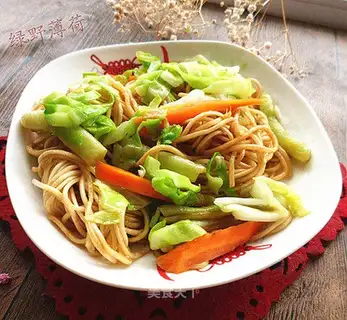
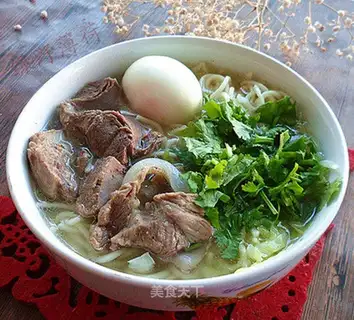
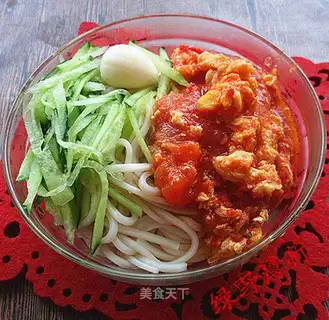
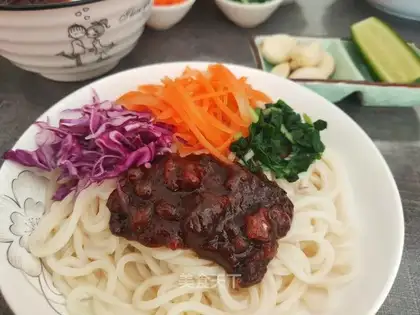
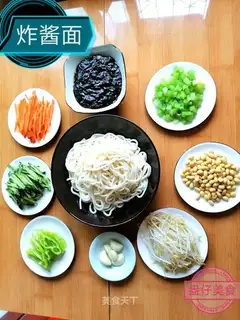
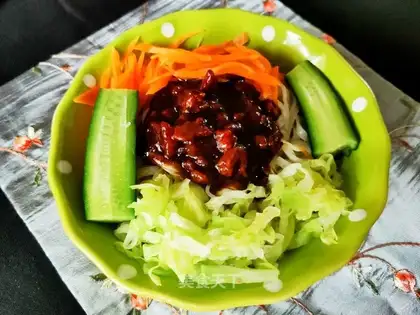
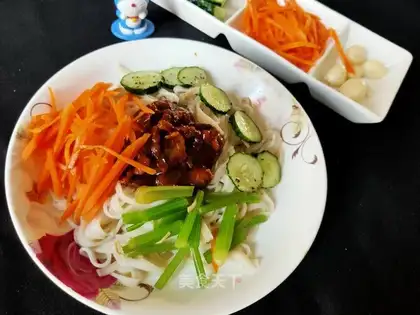
Freshly cut noodles, a staple in cuisines across Asia and beyond, have been cherished for centuries for their delicate texture, versatility, and ability to elevate simple dishes into comforting meals. Unlike their dried, mass-produced counterparts, fresh noodles are typically made from a few basic ingredients—flour, water, and sometimes salt or eggs—then shaped and cut by hand or machine shortly before consumption. This minimal processing not only preserves their unique culinary appeal but also retains a higher nutritional profile, making them a valuable addition to a balanced diet. However, as with any food, understanding their nutritional benefits, potential health advantages, and necessary precautions is key to maximizing their benefits while minimizing risks.
Nutritional Value of Freshly Cut Noodles
The nutritional composition of freshly cut noodles varies slightly based on their primary ingredients—whether they are made from all-purpose flour, whole wheat, or eggs—but their core nutrients remain consistently valuable.
1. Carbohydrates: Primary Energy Source
Carbohydrates are the dominant nutrient in fresh noodles, primarily derived from flour. A 100-gram serving of plain wheat-based fresh noodles (uncooked) contains approximately 75–80 grams of carbohydrates, which break down into glucose to fuel the body’s activities, including brain function and physical exertion. Unlike refined dried noodles, fresh noodles often lack added sugars or preservatives, making their carbohydrate source "cleaner" and more readily utilized by the body. For individuals with high energy needs—such as athletes, growing adolescents, or laborers—fresh noodles serve as an efficient, sustained energy source.
2. Protein: Essential for Repair and Growth
Fresh noodles, particularly those made with eggs or whole wheat, provide a moderate amount of protein. A 100-gram serving of egg-based fresh noodles contains around 8–10 grams of protein, while wheat-based varieties offer 6–8 grams. Protein is critical for repairing tissues, building muscle, and producing enzymes and hormones. While fresh noodles alone do not constitute a "complete protein" (lacking sufficient lysine, an essential amino acid), they can complement protein-rich foods like tofu, chicken, or beans to create a balanced amino acid profile. For example, a dish of fresh noodles with stir-fried vegetables and edamame provides a complete protein source suitable for vegetarians and vegans.
3. Micronutrients: Vitamins and Minerals
The micronutrient content of fresh noodles depends largely on the type of flour used. Whole wheat fresh noodles, made from unrefined wheat flour, retain the bran and germ, which are rich in B vitamins (thiamin, riboflavin, niacin), iron, magnesium, and fiber. For instance, 100 grams of whole wheat fresh noodles may contain 15–20% of the daily recommended intake of iron, which is vital for oxygen transport and preventing anemia. Egg-based fresh noodles, meanwhile, add small amounts of vitamins A, D, and B12, as well as choline, which supports brain health. Even refined wheat fresh noodles, though lower in fiber and micronutrients than whole wheat varieties, still provide trace amounts of selenium and B vitamins, which play roles in metabolism and antioxidant defense.
4. Low in Fat and Sodium (When Prepared Simply)
Plain freshly cut noodles are naturally low in fat, with most varieties containing less than 1 gram of fat per 100 grams (uncooked). This makes them a heart-healthy choice, especially when compared to fried or instant noodles, which are often high in unhealthy trans fats and saturated fats. Sodium content, however, can vary: while unsalted fresh noodles contain minimal sodium (around 10–20 mg per 100 grams), commercially produced versions may include added salt for preservation, contributing 100–300 mg per serving. For individuals managing blood pressure, opting for unsalted or low-sodium fresh noodles and controlling added salt during cooking is essential.
Health Benefits of Freshly Cut Noodles
Beyond their basic nutritional profile, freshly cut noodles offer several health benefits when incorporated into a balanced diet.
1. Supports Digestive Health (Whole Wheat Varieties)
Whole wheat fresh noodles are an excellent source of dietary fiber, particularly insoluble fiber, which promotes regular bowel movements and prevents constipation. Fiber also acts as a prebiotic, feeding beneficial gut bacteria and supporting a healthy microbiome. A 100-gram serving of whole wheat fresh noodles provides 6–8 grams of fiber, meeting 20–30% of the daily recommended intake (25 grams for women, 38 grams for men). High-fiber diets are also linked to a reduced risk of colorectal cancer, diverticulitis, and hemorrhoids.
2. Boosts Energy and Endurance
The complex carbohydrates in fresh noodles provide a slow, steady release of glucose into the bloodstream, preventing the energy crashes associated with simple sugars (e.g., those in sugary snacks or sodas). This makes fresh noodles an ideal pre-workout meal for athletes or a midday pick-me-up for office workers. When combined with protein and healthy fats—such as in a noodle dish with grilled fish, avocado, and sesame oil—they offer sustained energy that supports physical performance and cognitive function.
3. Promulates Satiety and Weight Management
Fiber and protein in fresh noodles increase satiety, helping to curb overeating and support weight management. A study published in the Journal of the Academy of Nutrition and Dietetics found that meals high in fiber and protein (like whole wheat noodles with vegetables) reduced hunger hormones and increased fullness more effectively than low-fiber, high-carbohydrate meals. For individuals aiming to lose or maintain weight, replacing refined grains with fresh whole wheat noodles can help control calorie intake while satisfying cravings for hearty, comforting foods.
4. Enhances Nutrient Absorption
Fresh noodles can be paired with nutrient-dense ingredients—such as leafy greens (spinach, kale), colorful vegetables (bell peppers, carrots), and lean proteins (tofu, shrimp)—to create a nutritionally complete meal. For example, the vitamin C in bell peppers enhances the absorption of non-heme iron (from whole wheat noodles), while the healthy fats in sesame oil aid in the absorption of fat-soluble vitamins (A, D, E, K) from vegetables. This synergy makes fresh noodles a versatile base for balanced, nutrient-rich dishes.
Precautions and Potential Risks
While freshly cut noodles offer numerous health benefits, certain precautions must be taken to avoid adverse effects.
1. Gluten Sensitivity and Celiac Disease
Traditional fresh noodles are made from wheat, barley, or rye, all of which contain gluten—a protein that triggers immune responses in individuals with celiac disease or non-celiac gluten sensitivity (NCGS). For these populations, consuming gluten-containing noodles can cause symptoms like bloating, diarrhea, abdominal pain, and long-term complications such as nutrient malabsorption or intestinal damage. Gluten-free alternatives—such as noodles made from rice, buckwheat, or qu—are safe and widely available, offering similar texture and nutritional benefits without gluten.
2. Blood Sugar Concerns (Refined Varieties)
Refined wheat fresh noodles, while low in fat, lack the fiber and micronutrients of whole wheat varieties. This can lead to a rapid spike in blood sugar levels, particularly when consumed in large quantities or with high-glycemic accompaniments (e.g., sugary sauces or white rice). For individuals with diabetes or insulin resistance, opting for whole wheat fresh noodles and pairing them with fiber-rich vegetables and lean protein can help stabilize blood sugar. Portion control is also key: a serving of 50–60 grams (uncooked) per meal is sufficient for most adults.
3. Risk of Bacterial Contamination
Freshly cut noodles, being minimally processed, are more susceptible to bacterial contamination than dried noodles, which are often sterilized during production. Common pathogens include Salmonella, E. coli, and Bacillus cereus, which can cause food poisoning if noodles are not handled or cooked properly. To minimize risk:
- Store safely: Keep fresh noodles refrigerated at or below 4°C and use within 1–2 days of purchase.
- Cook thoroughly: Boil fresh noodles for 2–3 minutes until they are soft and no longer raw. Avoid "al dente" preparations for fresh noodles, as undercooking may not kill harmful bacteria.
- Avoid cross-contamination: Use clean utensils and cutting boards, and wash hands before handling raw noodles.
4. High Sodium in Commercial Brands
Many commercially produced fresh noodles include added salt to extend shelf improve texture. A single serving of these noodles may contain 300–500 mg of sodium, which can contribute to high blood pressure and cardiovascular disease when consumed in excess. To reduce sodium intake:
- Choose unsalted or low-sodium fresh noodles.
- Limit salty sauces (e.g., soy sauce, oyster sauce) and use herbs, spices, or lemon juice for flavor instead.
- Rinse cooked noodles under warm water to remove excess surface sodium.
5. Allergies and Additives
While basic fresh noodles contain only flour, water, and salt, some varieties may include eggs, milk, or artificial additives (e.g., preservatives, emulsifiers). Individuals with egg or dairy allergies should check ingredient labels carefully. Additionally, "fresh" noodles sold in some markets may contain chemical preservatives like potassium sorbate or sodium benzoate to prevent mold growth. Opting for noodles from reputable sources or making them at home ensures a cleaner, additive-free product.
Conclusion
Freshly cut noodles are more than just a culinary delight—they are a nutrient-dense, versatile food that can support health when consumed mindfully. Rich in complex carbohydrates, protein, and essential micronutrients (especially in whole wheat varieties), they provide sustained energy, aid digestion, and promote satiety. However, their benefits must be balanced with awareness of potential risks: gluten sensitivity, blood sugar fluctuations, bacterial contamination, and high sodium intake in commercial products. By choosing whole wheat or gluten-free alternatives, practicing proper food safety, and pairing noodles with nutrient-rich ingredients, individuals can enjoy fresh noodles as part of a healthy, balanced diet. Whether in a steaming bowl of ramen, a stir-fry with vegetables, or a cold sesame noodle salad, freshly cut noodles offer a perfect blend of taste and nutrition—proving that simplicity, when done right, can be both delicious and nourishing.