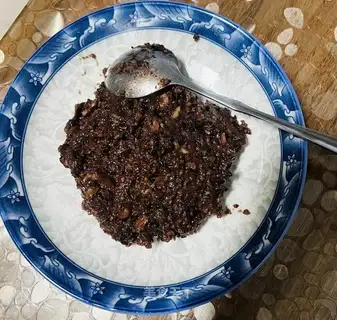
Mung beans (Vigna radiata), small green legumes with a rich history spanning over 4,000 years, have been a dietary staple in Asia, the Middle East, and parts of Europe. Today, they are celebrated globally as a "superfood" due to their exceptional nutritional profile, versatility, and myriad health benefits. From soothing summer soups to nutrient-dense sprouts, mung beans offer a unique combination of plant-based protein, fiber, vitamins, and minerals. However, like all foods, they must be consumed mindfully to avoid potential side effects. This article explores the nutritional value of mung beans, their scientifically supported health benefits, and important precautions for safe consumption.
I. Nutritional Value of Mung Beans
Mung beans are a nutritional powerhouse, packed with macronutrients, micronutrients, and bioactive compounds that support overall health. A 100-gram serving of cooked mung beans (without salt) provides approximately:
1. Macronutrients
- Protein: Mung beans contain around 7-8 grams of plant-based protein per 100 grams, making them an excellent alternative to animal protein for vegetarians and vegans. They are rich in essential amino acids, particularly lysine and phenylalanine, which are often limited in cereal grains.
- Dietary Fiber: With 8 grams of fiber per 100 grams, mung beans are a high-fiber food. Fiber is crucial for digestive health, blood sugar regulation, and satiety.
- Carbohydrates: They provide approximately 62 grams of complex carbohydrates per 100 grams, releasing energy slowly and preventing blood sugar spikes.
- Low Fat: Mung beans are naturally low in fat (less than 1 gram per 100 grams), with most of their fat being heart-healthy unsaturated fats.
2. Micronutrients
- Vitamins: They are a good source of B vitamins, including folate (B9), which is essential for DNA synthesis and cell growth (providing ~80 micrograms per 100 grams, or ~20% of the Daily Value). They also contain riboflavin (B2), niacin (B3), and thiamine (B1), which play key roles in energy metabolism.
- Minerals: Mung beans are rich in minerals like potassium (~460 mg per 100 grams, supporting heart health), magnesium (~70 mg, aiding muscle and nerve function), iron (~1.9 mg, critical for oxygen transport), and calcium (~50 mg, important for bone health). They also provide zinc, manganese, and copper, which act as cofactors for enzymatic reactions.
3. Bioactive Compounds
- Antioxidants: Mung beans are loaded with antioxidants, including phenolic acids, flavonoids (such as vitexin and isovitexin), and vitamin C. These compounds neutralize free radicals, reducing oxidative stress and inflammation.
- Resistant Starch: When cooked and cooled, mung beans contain resistant starch, a type of fiber that acts as a prebiotic, feeding beneficial gut bacteria.
II. Health Benefits of Mung Beans
The unique nutritional composition of mung beans translates to a wide range of health benefits, backed by scientific research.
1. Supports Heart Health
Mung beans promote cardiovascular health in multiple ways. Their high fiber content helps lower LDL ("bad") cholesterol by binding to bile acids in the digestive system and excreting them from the body. Potassium regulates blood pressure by counteracting the effects of sodium, while antioxidants reduce inflammation in blood vessels. A 2017 study published in the Journal of Agricultural and Food Chemistry found that mung bean protein significantly reduced cholesterol levels in rats with high cholesterol, suggesting similar benefits for humans.
2. Regulates Blood Sugar Levels
Thanks to their low glycemic index (GI ~38) and high fiber and protein content, mung beans help stabilize blood sugar levels. The slow digestion of their carbohydrates prevents rapid spikes in blood glucose, making them particularly beneficial for people with diabetes or insulin resistance. A 2020 meta-analysis in Nutrients concluded that regular legume consumption, including mung beans, was associated with a reduced risk of type 2 diabetes and improved glycemic control.
3. Aids Weight Management
Mung beans are a weight-loss-friendly food due to their high fiber and protein content, which increase satiety and reduce overall calorie intake. Fiber slows gastric emptying, keeping you full longer, while protein preserves muscle mass during calorie restriction. A 2019 study in Appetite found that participants who consumed mung bean-based meals reported reduced hunger and lower subsequent calorie intake compared to those who ate meals without legumes.
4. Enhances Digestive Health
The fiber and resistant starch in mung beans act as prebiotics, promoting the growth of beneficial gut bacteria like Bifidobacterium and Lactobacillus. A healthy gut microbiome is linked to improved digestion, immune function, and even mental health. Additionally, mung beans’ high fiber content prevents constipation and supports regular bowel movements.
5. Boosts Immune Function
Mung beans are rich in antioxidants like vitamin C and flavonoids, which strengthen the immune system by protecting cells from damage. They also provide zinc, a mineral essential for immune cell development and function. A 2018 study in Food & Function found that mung bean extract enhanced the activity of natural killer (NK) cells, which play a key role in fighting infections and cancer.
6. Anti-Inflammatory and Anticancer Properties
Chronic inflammation is a risk factor for many diseases, including cancer, diabetes, and heart disease. Mung beans contain potent anti-inflammatory compounds, such as vitexin, which inhibits the production of pro-inflammatory cytokines. Research published in Molecular Nutrition & Food Research (2016) demonstrated that mung bean extract reduced inflammation in human colon cells and suppressed the growth of colon cancer cells, suggesting potential protective effects against cancer.
7. Promotes Skin Health
The antioxidants in mung beans help combat oxidative stress, which accelerates skin aging. Vitamin C supports collagen synthesis, keeping skin firm and elastic. In traditional Chinese medicine, mung bean paste is applied topically to soothe skin inflammation and treat conditions like acne and eczema. A 2021 study in Phytotherapy Research confirmed that mung bean extract reduced UV-induced skin damage in mice, highlighting its potential for skin protection.
III. Precautions and Potential Side Effects
While mung beans are highly nutritious, they may cause adverse effects in some individuals. Understanding these precautions is key to safe consumption.
1. Anti-Nutrients
Mung beans contain anti-nutrients such as phytic acid, tannins, and protease inhibitors, which can reduce the absorption of minerals like iron, zinc, and calcium. However, these compounds can be minimized by proper preparation:
- Soaking: Soaking mung beans for 8-12 hours (or overnight) reduces phytic acid by 50-70%.
- Cooking: Boiling or pressure-cooking further degrades anti-nutrients and improves digestibility.
2. Flatulence and Digestive Discomfort
The high fiber and oligosaccharides (complex sugars) in mung beans can cause gas, bloating, and abdominal discomfort, especially for those not accustomed to high-fiber diets. To avoid this:
- Start with small portions (e.g., 2-3 tablespoons) and gradually increase intake.
- Combine mung beans with easily digestible foods like rice or vegetables.
- Use sprouted mung beans, which are lower in oligosaccharides and easier to digest.
3. Allergic Reactions
Though rare, mung bean allergies can occur, particularly in individuals with legume allergies (e.g., peanuts or soy). Symptoms may include itching, hives, swelling, or anaphylaxis. Those with known legume allergies should avoid mung beans and consult a healthcare provider if symptoms arise.
4. Interaction with Medications
Mung beans may interact with certain medications, particularly blood thinners (e.g., warfarin) due to their high vitamin K content, which can affect clotting. Individuals taking such medications should consume mung beans consistently and consult their doctor to avoid dosage adjustments.
5. Not Suitable for Everyone
- Gastrointestinal Disorders: People with irritable bowel syndrome (IBS) or inflammatory bowel disease (IBD) may experience worsened symptoms due to mung beans’ high fiber content.
- Purine Content: Mung beans contain moderate purines, which can trigger gout flares in susceptible individuals. Those with gout should limit intake to 1/2 cup per day.
IV. How to Incorporate Mung Beans into Your Diet
Mung beans are versatile and can be enjoyed in various forms:
- Whole Beans: Cooked and added to soups, stews, curries, or salads.
- Sprouts: Raw or lightly stir-fried, sprouted mung beans are crunchy and nutrient-dense.
- Flour: Mung bean flour (besan) is used to make pancakes, noodles, and gluten-free baked goods.
- Desserts: In Asia, mung beans are boiled with sugar and coconut milk to make sweet soups or desserts.
Conclusion
Mung beans are a nutritional powerhouse offering a wealth of health benefits, from heart health and blood sugar regulation to immune support and skin protection. Their high fiber, protein, and antioxidant content make them a valuable addition to a balanced diet. However, proper preparation (soaking and cooking) is essential to minimize anti-nutrients, and moderation is key for those with digestive issues or allergies. By incorporating mung beans mindfully, individuals can harness their potential to enhance overall health and well-being. As research continues to uncover their benefits, mung beans are likely to remain a staple in global cuisine for generations to come.