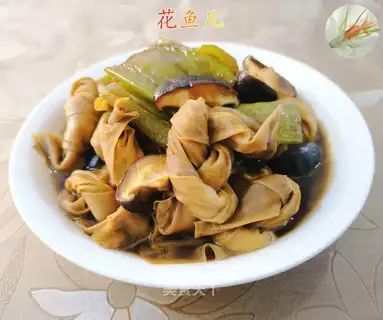
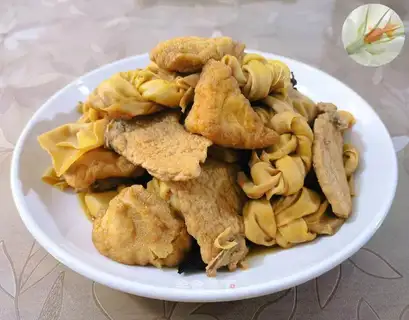
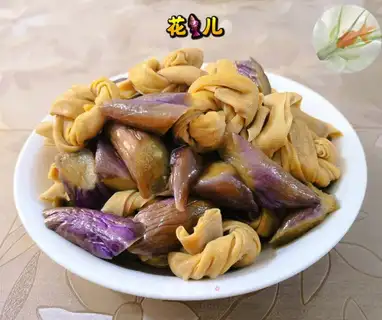
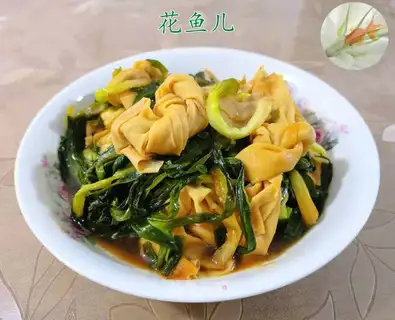
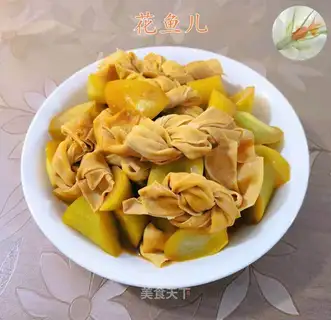
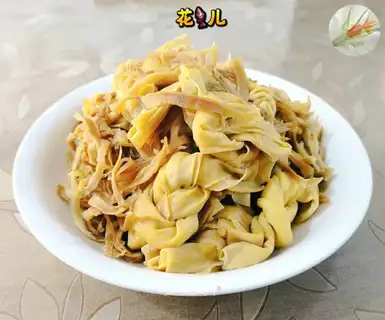
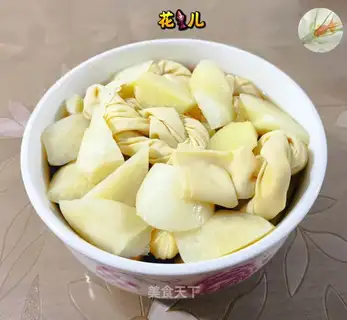
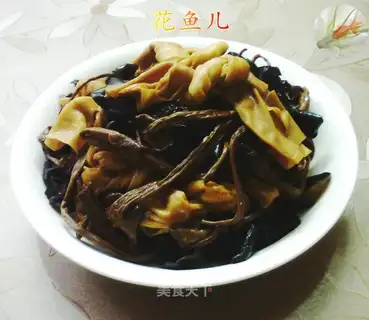
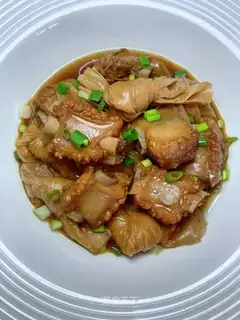
In the vast landscape of Chinese cuisine, certain ingredients stand out not only for their unique culinary properties but also for their profound nutritional and medicinal value. Baiyejie, literally "hundred-leaf knot," is one such ingredient. Also known as "knot tofu" or "tofu skin knots," this humble food is a staple in vegetarian and traditional Chinese cooking. Made by folding and knotting dried tofu sheets into intricate shapes, Baiyejie is more than just a textural delight—it is a nutritional powerhouse packed with protein, fiber, and essential minerals. This article explores the nutritional profile of Baiyejie, its health benefits, culinary versatility, and important precautions for consumption, shedding light on why this ingredient has remained a beloved part of Asian diets for centuries.
Nutritional Profile of Baiyejie
Baiyejie is derived from soybeans, the same source as tofu, tempeh, and edamame, making it a rich source of plant-based protein. A 100-gram serving of Baiyejie contains approximately 20–25 grams of protein, rivaling animal-based sources like chicken or beef in protein density while being low in saturated fat. This makes it an excellent choice for vegetarians, vegans, and individuals looking to reduce their meat intake without compromising on protein intake.
In addition to protein, Baiyejie is a good source of dietary fiber, with around 5–7 grams per 100-gram serving. Fiber is essential for digestive health, promoting regular bowel movements and supporting a healthy gut microbiome. It also aids in blood sugar regulation by slowing down the absorption of sugars in the bloodstream, making Baiyejie a beneficial food for individuals with diabetes or insulin resistance.
Baiyejie is also rich in essential minerals, including calcium, iron, magnesium, and potassium. Calcium is crucial for bone health, and while dairy products are often touted as the primary source, plant-based alternatives like Baiyejie can contribute significantly to daily calcium intake, especially for those lactose intolerant. Iron, another key mineral, is vital for oxygen transport in the blood, and Baiyejie provides a non-heme iron source that, when consumed with vitamin C (e.g., alongside bell peppers or broccoli), can be absorbed efficiently. Magnesium supports muscle and nerve function, while potassium helps regulate blood pressure by balancing sodium levels.
Furthermore, Baiyejie contains isoflavones, a type of phytoestrogen found in soybeans. Isoflavones have antioxidant properties and are studied for their potential role in reducing the risk of chronic diseases, such as heart disease and certain cancers. They may also alleviate symptoms of menopause, such as hot flashes, by mimicking the effects of estrogen in the body.
Health Benefits of Baiyejie
The nutritional composition of Baiyejie translates into a range of health benefits, making it a valuable addition to a balanced diet.
1. Supports Muscle Maintenance and Weight Management
Protein is the building block of muscles, and adequate intake is essential for muscle repair and growth, particularly for athletes, older adults, and those recovering from illness. Baiyejie’s high protein content, combined with its low calorie count (around 150–200 calories per 100 grams), makes it an ideal food for weight management. Protein promotes satiety, reducing hunger and helping to control overall calorie intake, which is key to maintaining a healthy weight.
2. Enhances Digestive Health
The fiber in Baiyejie acts as a prebiotic, feeding beneficial gut bacteria and supporting a healthy digestive system. Regular consumption can prevent constipation, reduce bloating, and lower the risk of gastrointestinal disorders like diverticulitis. Additionally, fiber helps maintain stable blood sugar levels, reducing the risk of type 2 diabetes and metabolic syndrome.
3. Promotes Heart Health
Soy-based foods like Baiyejie are associated with a reduced risk of cardiovascular disease. The isoflavones in soy help lower LDL ("bad") cholesterol levels while increasing HDL ("good") cholesterol, improving overall lipid profiles. The potassium in Baiyejie also supports heart health by counteracting the effects of sodium, which can raise blood pressure. Studies have shown that individuals who regularly consume soy products have a lower incidence of heart attacks and strokes.
4. Strengthens Bones
Calcium is essential for bone density, and Baiyejie serves as a valuable plant-based source of this mineral. For individuals who avoid dairy products, incorporating Baiyejie into the diet can help prevent osteoporosis and age-related bone loss. Magnesium, another mineral found in Baiyejie, works synergistically with calcium to support bone structure and function.
5. Balances Hormones and Reduces Menopausal Symptoms
Isoflavones in Baiyejie have estrogen-like effects, which can help balance hormone levels in the body. For women going through menopause, isoflavones may reduce the frequency and severity of hot flashes, night sweats, and mood swings. Research suggests that consuming 50–80 milligrams of isoflavones daily (equivalent to 100–200 grams of Baiyejie) can significantly alleviate menopausal symptoms.
6. Provides Antioxidant Protection
Oxidative stress, caused by an imbalance between free radicals and antioxidants, is linked to chronic diseases and aging. The isoflavones and other antioxidants in Baiyejie help neutralize free radicals, reducing cellular damage and lowering the risk of diseases such as cancer and neurodegenerative disorders.
Culinary Uses of Baiyejie
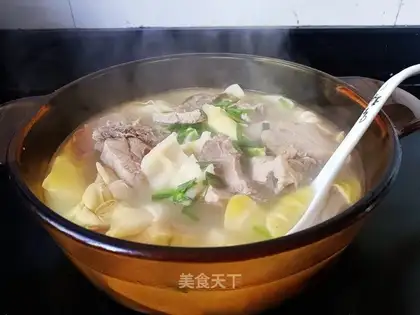
Beyond its health benefits, Baiyejie is prized for its versatility in cooking. Its firm, chewy texture allows it to absorb flavors, making it a favorite in both stir-fries, soups, and braised dishes.
In northern China, Baiyejie is often used in hot pot, where it absorbs the rich broth and becomes tender yet retains a satisfying bite. It is also a key ingredient in "Buddhist vegetarian dishes," where it mimics the texture of meat in recipes like "braised pork belly" or "spicy chicken." In southern China, Baiyejie is commonly added to noodle soups or stir-fried with vegetables like bok choy and mushrooms for a quick and nutritious meal.
For those new to Baiyejie, it is often sold dried and requires rehydration before use. To prepare, simply soak the dried knots in warm water for 20–30 minutes until soft, then squeeze out excess water. It can then be added directly to soups, braised dishes, or stir-fries. Baiyejie’s mild flavor makes it a versatile ingredient that pairs well with soy sauce, ginger, garlic, and spicy seasonings.
Precautions and Potential Side Effects
While Baiyejie offers numerous health benefits, there are certain precautions to keep in mind, particularly for individuals with specific health conditions.
1. Soy Allergies
Individuals with soy allergies should avoid Baiyejie, as it is derived from soybeans. Soy allergies can range from mild symptoms like hives and itching to severe reactions like anaphylaxis, which requires immediate medical attention. Those with a known soy allergy should opt for alternative protein sources such as lentils, chickpeas, or quinoa.
2. Thyroid Health
Soy contains goitrogens, compounds that can interfere with thyroid function by inhibiting the uptake of iodine. While moderate consumption of soy products is generally safe for individuals with a healthy thyroid, those with hypothyroidism or iodine deficiency should limit their intake. Cooking Baiyejie can reduce goitrogen levels, making it safer for consumption. Additionally, individuals with thyroid issues should ensure they consume adequate iodine from sources like seafood or iodized salt.
3. Medication Interactions
Isoflavones in Baiyejie may interact with certain medications, particularly hormone therapies and blood thinners. For example, soy isoflavones may enhance the effects of estrogen-based medications, increasing the risk of side effects. Similarly, the vitamin K in soy may interfere with blood-thinning medications like warfarin. Individuals taking such medications should consult their healthcare provider before incorporating Baiyejie into their diet.
4. Moderation is Key
While Baiyejie is nutritious, excessive consumption may lead to digestive discomfort, such as bloating or gas, due to its high fiber content. It is best to consume Baiyejie in moderation, aiming for 2–3 servings per week as part of a balanced diet.
Conclusion
Baiyejie, with its impressive nutritional profile and culinary versatility, is a true superfood in the world of plant-based ingredients. From supporting muscle growth and heart health to aiding digestion and alleviating menopausal symptoms, this humble "knot tofu" offers a wealth of benefits. However, like all foods, it should be consumed mindfully, especially by those with soy allergies, thyroid issues, or specific medication needs. When enjoyed as part of a varied and balanced diet, Baiyejie can be a delicious and nourishing addition to meals, proving that sometimes the simplest ingredients hold the greatest power for health and wellness. As we continue to explore the potential of plant-based foods, Baiyejie stands as a testament to the wisdom of traditional cuisine and its enduring relevance in modern nutrition.