Introduction
In the ever-evolving landscape of healthy eating, certain traditional foods are experiencing a renaissance as modern science uncovers their remarkable properties. Frozen tofu, a humble ingredient with roots in Asian cuisine, has emerged as a standout example. While fresh tofu has long been celebrated for its versatility and nutritional value, the process of freezing transforms it into a unique superfood, altering its texture and amplifying its health benefits. This article explores the nutritional profile, health-promoting properties, and important precautions associated with frozen tofu, offering a comprehensive guide for incorporating this underrated ingredient into a balanced diet.
Nutritional Value of Frozen Tofu
Frozen tofu is not merely a preserved version of fresh tofu; it undergoes a structural metamorphosis that enhances its nutritional density. To understand its value, it is first essential to recognize the composition of fresh tofu, which is made by coagulating soy milk into curds and pressing them into blocks. Tofu is inherently rich in plant-based protein, low in calories, and a source of essential minerals like calcium, iron, and magnesium. However, freezing triggers a process called "freeze-thaw cycling," which breaks down the tofu’s protein matrix and cellular structure, leading to significant changes in its nutritional and functional properties.
Enhanced Protein Bioavailability
Tofu is a complete protein, containing all nine essential amino acids that the human body cannot produce independently. Freezing disrupts the tofu’s dense protein network, making it easier to digest and absorb. Studies suggest that frozen tofu’s protein bioavailability increases by 10–15% compared to fresh tofu, as the freeze-thaw process breaks down antinutritional factors like trypsin inhibitors, which can interfere with protein digestion. This makes frozen tofu an excellent choice for athletes, older adults, or anyone seeking to optimize protein intake.
Enriched Mineral Content
The freezing process concentrates the minerals in tofu. As water ice crystals form, they expand and rupture the tofu’s cells, releasing trapped minerals. Consequently, frozen tofu often contains higher levels of calcium, iron, and zinc per serving than its fresh counterpart. For instance, a 100-gram serving of firm frozen tofu may provide 20–30% of the daily recommended intake of calcium, compared to 15–20% in fresh tofu. This makes it a valuable option for individuals with mineral deficiencies, such as those at risk of osteoporosis (due to calcium) or anemia (due to iron).
Fiber and Low Glycemic Impact
While tofu is not a high-fiber food, freezing increases its dietary fiber content slightly by altering its texture, making it more porous and able to retain water. This property, combined with its low glycemic index (GI), makes frozen tofu a diabetic-friendly food. The slow release of glucose into the bloodstream helps regulate blood sugar levels, preventing spikes and crashes. Additionally, the fiber promotes gut health by supporting the growth of beneficial gut bacteria.
Low in Calories and Fat
Frozen tofu retains the low-calorie, low-fat profile of fresh tofu, with approximately 70–80 calories and 3–5 grams of fat per 100-gram serving. This makes it an ideal ingredient for weight management, as it provides satiety without excessive caloric intake. The small amount of fat present is primarily unsaturated, including heart-healthy omega-3 and omega-6 fatty acids.
Health Benefits of Frozen Tofu
The nutritional changes induced by freezing translate into a range of health benefits, from improved digestion to chronic disease prevention.
1. Enhanced Digestive Health
The porous texture of frozen tofu, a result of ice crystal formation, makes it easier to chew and digest. This is particularly beneficial for individuals with digestive issues, such as the elderly or those recovering from illness, who may struggle with denser foods. Additionally, frozen tofu acts as a prebiotic, providing a substrate for beneficial gut bacteria to thrive. A healthy gut microbiome is linked to improved immunity, reduced inflammation, and even better mental health.
2. Weight Management Support
Frozen tofu’s high protein and fiber content promotes satiety, helping to curb overeating. Protein takes longer to digest than carbohydrates, reducing hunger hormones like ghrelin, while fiber adds bulk to meals without adding calories. Studies show that high-protein diets can increase metabolic rate by 15–30% due to the thermic effect of food (the energy required to digest nutrients). Frozen tofu’s low GI also prevents blood sugar fluctuations that can trigger cravings for sugary, high-calorie foods.
3. Heart Health and Chronic Disease Prevention
Soy-based foods like tofu are well-known for their cardioprotective effects. Frozen tofu contains isoflavones, particularly genistein and daidzein, which have been shown to lower LDL ("bad") cholesterol and improve blood vessel elasticity. The American Heart Association recommends including soy products in a heart-healthy diet, and frozen tofu’s enhanced nutrient profile makes it an even better choice. Furthermore, the antioxidants in isoflavones reduce oxidative stress, a key driver of chronic diseases like cancer and diabetes. Research suggests that regular soy intake may lower the risk of breast and prostate cancer, though more studies are needed to confirm these effects in humans.
4. Bone Health and Osteoporosis Prevention
Calcium and vitamin D (often added to fortified tofu) are critical for bone health, and frozen tofu’s increased mineral content makes it a valuable ally in preventing osteoporosis. The isoflavones in tofu also mimic estrogen in the body, which helps maintain bone density in postmenopausal women, a group at high risk for bone loss. A 2020 study published in the Journal of Nutrition found that postmenopausal women who consumed soy-based foods regularly had a 30% lower risk of fractures than those who did not.
5. Detoxification Support
The unique texture of frozen tofu—characterized by numerous tiny pores—makes it a natural detoxifier. When cooked, these pores expand, allowing the tofu to absorb and "trap" toxins and waste products in the digestive system. Traditional Chinese medicine has long used frozen tofu for this purpose, and modern research supports its role in supporting liver and kidney function. While not a substitute for medical detoxification, frozen tofu can be a beneficial addition to a detox-friendly diet.
How to Prepare and Incorporate Frozen Tofu into Your Diet
To maximize the benefits of frozen tofu, proper preparation is key. The process begins with selecting fresh tofu (firm or extra-firm works best) and freezing it for at least 24 hours. After thawing, the tofu will have a spongy, porous texture—this is normal and desirable. Squeeze out excess water before cooking to enhance its ability to absorb flavors.
Frozen tofu is incredibly versatile and can be used in a variety of dishes:
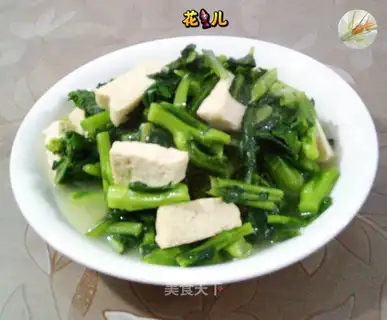
- Stir-fries: Its porous texture allows it to absorb sauces, making it a flavorful addition to vegetable stir-fries.
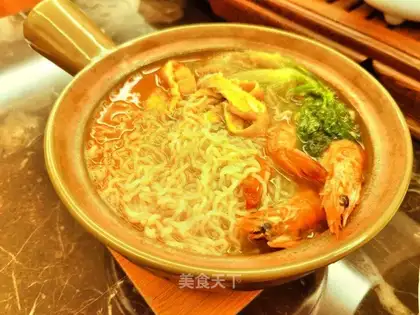
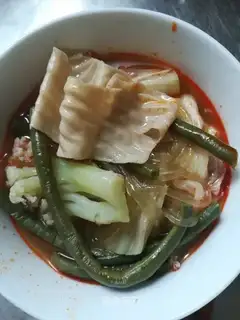
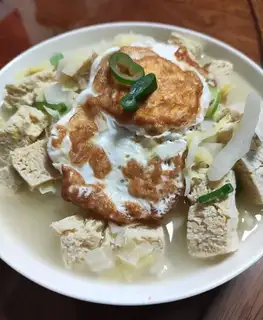
- Soups and stews: Frozen tofu holds its shape well in liquid-based dishes, adding protein and body to miso soup, pho, or chili.
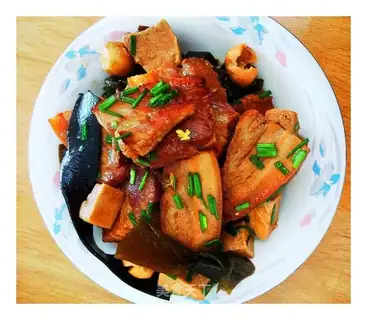
- Grilled or baked: Marinate thawed tofu and grill or bake it for a high-protein, low-fat alternative to meat.
- Smoothies: Blended silken frozen tofu adds creaminess and protein to smoothies without altering the flavor.
Precautions and Potential Side Effects
While frozen tofu is a nutritious food, there are important precautions to consider:
1. Phytates and Mineral Absorption
Like all soy products, frozen tofu contains phytates, compounds that can inhibit the absorption of minerals like iron, zinc, and calcium. To reduce phytate levels, soak tofu in warm water for 10–15 minutes before cooking, or pair it with vitamin C-rich foods (such as bell peppers or broccoli), which enhance mineral absorption.
2. Soy Allergies
Individuals with soy allergies should avoid frozen tofu entirely. Soy is one of the top eight allergens, and reactions can range from mild (hives, itching) to severe (anaphylaxis). Those with soy allergies should opt for alternative plant proteins like lentils, chickpeas, or quinoa.
3. Goitrogen Effects
Soy contains goitrogens, compounds that can interfere with thyroid function by inhibiting iodine uptake. While moderate soy intake is safe for most people, those with hypothyroidism should consult their doctor before consuming large amounts of frozen tofu. Cooking tofu can reduce its goitrogenic activity.
4. Sodium Content
Many commercially available tofu products are high in sodium due to brining or seasoning. To minimize sodium intake, choose low-sodium or unsalted tofu and avoid adding extra salt during cooking.
5. Moderation in Isoflavone Intake
While isoflavones offer health benefits, excessive intake may disrupt hormonal balance in some individuals. Pregnant or breastfeeding women should limit their consumption to 1–2 servings of soy products per day, unless advised otherwise by a healthcare provider.
Conclusion
Frozen tofu is a nutritional powerhouse that offers a unique combination of protein, minerals, and health benefits. Its enhanced digestibility, concentrated nutrient profile, and versatility make it an excellent addition to a balanced diet. From supporting heart health and weight management to promoting gut health and bone density, frozen tofu’s advantages are backed by both traditional wisdom and modern science. However, as with any food, moderation and awareness of potential side effects are key. By incorporating frozen tofu into meals mindfully, individuals can harness its remarkable benefits while minimizing risks. As the demand for plant-based, nutrient-dense foods grows, frozen tofu is poised to take its place as a staple in health-conscious kitchens worldwide.