Introduction
In the vast landscape of plant-based foods, few ingredients are as humble yet nutritionally dense as tofu skin, known in Chinese as "doupi" or "qianzhang." For centuries, this delicate, paper-thin byproduct of tofu production has been a staple in East Asian cuisine, prized for its versatility, subtle flavor, and impressive health profile. Often called "bean curd skin" or "yuba" in English, tofu skin is formed when a film develops on the surface of heated soy milk during tofu-making. This film is carefully skimmed, dried, and typically sold in dried, fresh, or fried forms. Beyond its culinary adaptability—used in soups, stir-fries, rolls, and even desserts—tofu skin is a nutritional powerhouse, rich in plant-based protein, essential amino acids, and bioactive compounds. However, like all foods, it is not without its considerations. This article explores the nutritional value of tofu skin, its scientifically supported health benefits, potential risks, and practical tips for consumption, offering a comprehensive guide to incorporating this superfood into a balanced diet.
Nutritional Value of Tofu Skin
Tofu skin’s nutritional profile is a testament to its status as a "superfood" among plant-based ingredients. Packed with high-quality protein, healthy fats, and essential micronutrients, it offers a dense array of health-promoting compounds.
1. High-Quality Plant Protein
Protein is the building block of life, and tofu skin is an exceptional source, containing 15–22 grams of protein per 100 grams of dried product—comparable to meat, fish, or eggs. Unlike many plant proteins, tofu skin is a "complete protein," meaning it provides all nine essential amino acids (histidine, isoleucine, leucine, lysine, methionine, phenylalanine, threonine, tryptophan, and valine) that the human body cannot synthesize independently. These amino acids are critical for muscle repair, immune function, and enzyme production. For vegetarians, vegans, or individuals looking to reduce animal product intake, tofu skin is a valuable protein source that supports muscle maintenance and overall health.
2. Low in Calories and Rich in Fiber
Dried tofu skin is relatively low in calories, with approximately 250–300 calories per 100 grams, making it a suitable option for weight management. When rehydrated, its calorie content drops further, while its fiber content increases. Fiber is essential for digestive health, promoting regular bowel movements, preventing constipation, and supporting a healthy gut microbiome. Additionally, soluble fiber in tofu skin helps regulate blood sugar levels by slowing carbohydrate absorption, reducing the risk of blood sugar spikes—a key benefit for individuals with diabetes or insulin resistance.
3. Heart-Healthy Fats
Tofu skin is a good source of unsaturated fats, particularly polyunsaturated fatty acids (PUFAs), including omega-3 and omega-6 fatty acids. These fats are known for their cardioprotective effects, such as reducing LDL ("bad") cholesterol, lowering triglycerides, and decreasing inflammation in the arteries. Unlike saturated and trans fats, which increase the risk of heart disease, unsaturated fats in tofu skin support cardiovascular health when consumed as part of a balanced diet.
4. Essential Vitamins and Minerals
Tofu skin is a rich source of several micronutrients that play vital roles in bodily functions:
- Iron: Critical for oxygen transport in the blood and preventing anemia. Tofu skin contains non-heme iron, which is best absorbed when consumed with vitamin C (e.g., alongside bell peppers or broccoli).
- Calcium: Essential for bone health, muscle contraction, and nerve signaling. A 100-gram serving of dried tofu skin provides 50–100 milligrams of calcium, contributing to daily intake requirements.
- Magnesium: Supports over 300 enzymatic reactions, including energy production, blood pressure regulation, and blood sugar control.
- B Vitamins: Tofu skin contains riboflavin (B2), niacin (B3), and vitamin B12 (in smaller amounts). B vitamins are crucial for energy metabolism, brain function, and red blood cell formation.
- Zinc: Important for immune function, wound healing, and DNA synthesis.
5. Bioactive Compounds
Tofu skin is rich in isoflavones, a type of phytoestrogen found in soybeans. Isoflavones, such as genistein and daidzein, have antioxidant, anti-inflammatory, and estrogen-like properties. Research suggests they may reduce the risk of chronic diseases, including osteoporosis, cardiovascular disease, and certain cancers. Additionally, tofu skin contains saponins, compounds that may help lower cholesterol and boost immune function.
Health Benefits of Tofu Skin
The combination of macronutrients, micronutrients, and bioactive compounds in tofu skin contributes to a range of health benefits, supported by scientific research.
1. Supports Muscle Growth and Repair
With its high complete protein content, tofu skin is an ideal food for muscle maintenance and growth. Protein provides the amino acids needed to synthesize new muscle tissue, making it particularly beneficial for athletes, older adults (to combat age-related muscle loss, or sarcopenia), and individuals recovering from injury. A study published in the Journal of the International Society of Sports Nutrition found that plant-based proteins, like those in tofu skin, are as effective as animal proteins in promoting muscle hypertrophy when consumed in adequate amounts.
2. Promotes Heart Health
Tofu skin’s heart benefits stem from its low saturated fat content, high unsaturated fat content, and isoflavones. Regular consumption has been linked to reduced LDL cholesterol and triglyceride levels, key risk factors for atherosclerosis (hardening of the arteries) and heart attacks. A meta-analysis in Circulation found that soy isoflavones may lower LDL cholesterol by 3–5% and reduce the risk of coronary heart disease by 10–15%. Additionally, the fiber in tofu skin helps bind to excess cholesterol in the digestive system, preventing its absorption into the bloodstream.
3. Aids in Weight Management
Tofu skin’s low calorie density, high protein content, and fiber make it a valuable tool for weight loss and maintenance. Protein increases satiety, reducing hunger and overall calorie intake, while fiber slows digestion, keeping you full longer. A study in the American Journal of Clinical Nutrition found that high-protein diets enhance weight loss by preserving muscle mass and boosting metabolism. Incorporating tofu skin into meals, such as in stir-fries or salads, can help control appetite and reduce snacking between meals.
4. Regulates Blood Sugar Levels
For individuals with diabetes or prediabetes, tofu skin is a diabetic-friendly food. Its low glycemic index (GI) means it causes a gradual rise in blood sugar rather than a spike. The fiber and protein in tofu skin further stabilize blood sugar by slowing the absorption of glucose. A study in Diabetes Care showed that soy protein improves insulin sensitivity and reduces postprandial (after-meal) blood sugar levels in individuals with type 2 diabetes.
5. Strengthens Bones and Prevents Osteoporosis
Tofu skin’s calcium, magnesium, and isoflavones work synergistically to support bone health. Calcium is the primary mineral in bones, while magnesium aids in calcium absorption and bone formation. Isoflavones, particularly genistein, have been shown to reduce bone resorption (the breakdown of bone tissue) and increase bone density. A study in the Journal of Nutrition found that postmenopausal women who consumed soy isoflavones regularly had a 30% lower risk of hip fractures than those who did not.
6. Boosts Immune Function
Tofu skin’s zinc, vitamin C (when consumed with fresh produce), and saponins contribute to a healthy immune system. Zinc is essential for the development and function of immune cells, while saponins have antimicrobial and anti-inflammatory properties. Additionally, the protein in tofu skin provides the amino acids needed to produce antibodies and immune proteins, helping the body fight infections and illnesses.
Potential Risks and Precautions
While tofu skin is highly nutritious, it is important to consume it in moderation and be aware of potential risks, especially for certain populations.
1. Phytic Acid Content
Tofu skin, like all soy products, contains phytic acid (or phytate), an antinutrient that can bind to minerals such as iron, zinc, and calcium, reducing their absorption. While phytic acid has antioxidant benefits, excessive intake may hinder mineral absorption, particularly in individuals with poor mineral status. To mitigate this, soak dried tofu skin in water for several hours before cooking, or opt for fermented forms of tofu skin (e.g., fermented tofu skin sheets), which have lower phytic acid levels.
2. Soy Isoflavones and Hormonal Effects
Soy isoflavones have weak estrogen-like effects, leading to concerns about their impact on hormone-sensitive conditions such as breast cancer, endometriosis, or uterine fibroids. However, research is mixed. The American Institute for Cancer Research notes that moderate soy consumption (1–2 servings per day) is safe for most people, including breast cancer survivors, and may even reduce breast cancer risk. However, individuals with hormone-sensitive conditions should consult their healthcare provider before consuming large amounts of tofu skin or other soy products.
3. Sodium in Processed Varieties
Fresh or dried tofu skin is naturally low in sodium, but processed versions (e.g., fried tofu skin or marinated tofu skin sheets) may contain added salt or sodium-based preservatives. High sodium intake is linked to high blood pressure and an increased risk of heart disease. To minimize sodium, choose plain, unseasoned tofu skin and limit consumption of processed varieties.
4. Allergies
Soy is one of the top eight allergens, and individuals with soy allergies should avoid tofu skin entirely. Symptoms of a soy allergy range from mild (hives, itching) to severe (anaphylaxis). If you have a known soy allergy, read food labels carefully, as tofu skin may be hidden in processed foods or Asian dishes.
5. Kidney Disease Considerations
Tofu skin is high in protein, and individuals with kidney disease may need to limit their intake. Damaged kidneys cannot efficiently filter waste products from protein metabolism, leading to a buildup of toxins in the blood. For those with kidney issues, a healthcare provider or registered dietitian can recommend a safe protein intake level.
Culinary Uses and Tips for Incorporation
Tofu skin’s mild, slightly nutty flavor and versatile texture make it a favorite in Asian cuisine and beyond. Here are some popular ways to enjoy it:
1. Rehydrating Dried Tofu Skin
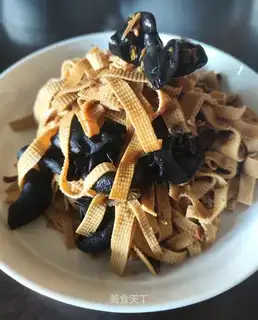
Dried tofu skin must be rehydrated before use. Soak it in warm water for 15–20 minutes until soft, then drain and squeeze out excess water. Rehydrated tofu skin can be used in soups, stir-fries, or rolls.
2. Soups and Hot Pots
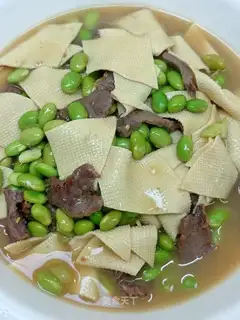
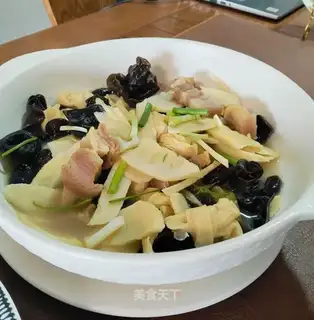
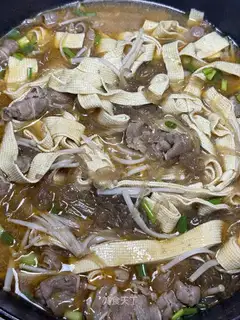
Tofu skin absorbs the flavors of broths and seasonings, making it perfect for soups and hot pots. In Chinese cuisine, "ma tofu" (spicy tofu skin soup) combines tofu skin with tofu, mushrooms, and chili broth for a hearty, flavorful dish.
3. Stir-Fries and Braises
Cut rehydrated tofu skin into strips or squares and stir-fry with vegetables, tofu, or meat. It pairs well with garlic, ginger, soy sauce, and sesame oil. In Japanese cuisine, "yuba" is often braised with soy sauce and mirin for a savory side dish.
4. Rolls and Wraps
Tofu skin sheets can be used as a wrap for fillings like rice, vegetables, or meat. In Vietnamese cuisine, "nem cuon" (fresh spring rolls) sometimes include tofu skin for added texture and protein.
5. Desserts
Sweetened tofu skin is used in desserts across Asia. In Chinese "doupi" (tofu skin rolls), the skin is filled with sweetened beans, nuts, or sesame paste and fried until crispy. In Japan, "yuba" is used in "yuba pudding" or "yuba ice cream" for a delicate, creamy texture.
6. Snacks
Fried tofu skin sheets (often seasoned with salt, pepper, or seaweed) make a crunchy, protein-rich snack. They can also be baked instead of fried for a healthier alternative.
Conclusion
Tofu skin is a nutritional powerhouse that offers a wealth of health benefits, from supporting muscle growth and heart health to regulating blood sugar and boosting immunity. Its high protein content, low calorie density, and rich array of vitamins, minerals, and bioactive compounds make it an excellent addition to a balanced diet. However, like all foods, it should be consumed in moderation, with attention to potential risks such as phytic acid, sodium, and soy allergies. By incorporating tofu skin into a variety of dishes—from savory soups to sweet desserts—individuals can enjoy its versatility while reaping its numerous health benefits. Whether you are a vegetarian, athlete, or simply looking to enhance your diet, tofu skin is a delicious and nutritious choice that has stood the test of time in global cuisine.