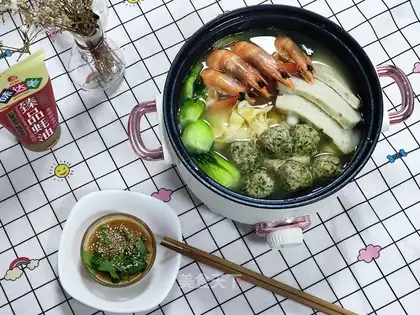
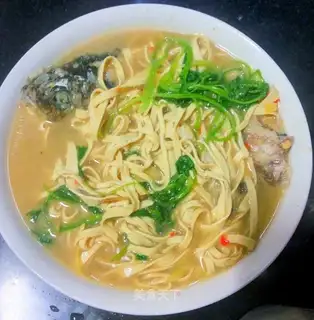
Beef tripe, commonly known as "abomasum" or "rumen," is a versatile and nutrient-rich ingredient widely used in global cuisines, from Mexican menudo to Vietnamese phở and Italian trippa alla romana. While often overlooked in favor of more conventional cuts of meat, beef tripe offers a unique nutritional profile, distinct culinary benefits, and several important considerations for safe consumption. This article explores the nutritional composition of beef tripe, its health benefits, potential risks, and guidelines for optimal preparation and consumption.
I. Nutritional Value of Beef Tripe
Beef tripe is the lining of a cow’s stomach, typically sourced from one of the four chambers: the rumen (most common), reticulum, omasum, or abomasum. Its nutritional value varies slightly depending on the type and preparation method, but it is generally a rich source of protein, vitamins, and minerals, while being relatively low in fat.
1. High-Quality Protein
Protein is essential for muscle repair, immune function, and enzyme production. Beef tripe provides approximately 15–20 grams of protein per 100 grams, making it a valuable source of complete protein—containing all nine essential amino acids, including lysine, leucine, and valine, which are crucial for overall health. This makes it particularly beneficial for individuals recovering from illness, athletes, or those seeking to increase protein intake without consuming excessive fat.
2. Low in Fat and Calories
Compared to fatty cuts of beef, tripe is exceptionally lean. A 100-gram serving of raw beef tripe contains just 3–5 grams of fat, with minimal saturated fat. This makes it a suitable option for individuals managing weight or following a low-fat diet. Additionally, it is relatively low in calories, with approximately 80–100 calories per 100 grams, depending on the cut.
3. Rich in Vitamins and Minerals
Beef tripe is a nutritional powerhouse of essential micronutrients:
- Vitamin B12: Critical for nerve function, red blood cell formation, and DNA synthesis. A 100-gram serving of tripe can provide up to 30–50% of the daily recommended intake of B12, making it an excellent choice for vegans or vegetarians seeking to supplement this nutrient (though it is an animal product).
- Selenium: A powerful antioxidant that supports immune health and protects cells from oxidative damage. Tripe contains around 20–30 micrograms of selenium per 100 grams, contributing to daily needs.
- Zinc: Essential for immune function, wound healing, and DNA synthesis. Tripe provides approximately 3–4 milligrams of zinc per 100 grams, roughly 30% of the recommended daily intake.
- Iron: Important for oxygen transport and energy production. While tripe contains non-heme iron (less easily absorbed than heme iron from red meat), it still contributes to daily iron intake, especially when consumed with vitamin C-rich foods.
- Phosphorus: Supports bone health and energy metabolism, with tripe providing around 150–200 milligrams per 100 grams.
4. Collagen and Gelatin
Tripe is rich in collagen and gelatin, which are derived from connective tissues. These compounds support joint health, skin elasticity, and gut lining integrity. When slow-cooked, tripe releases gelatin, which aids in digestion and may help reduce inflammation in the gut lining.
II. Health Benefits of Beef Tripe
Beyond its nutritional content, beef tripe offers several health benefits, particularly when prepared and consumed mindfully.
1. Supports Digestive Health
The collagen and gelatin in tripe are beneficial for gut health. Gelatin helps repair the intestinal lining, making it potentially useful for individuals with conditions like leaky gut syndrome or inflammatory bowel disease (IBD). Additionally, traditional medicine practices, such as Traditional Chinese Medicine (TCM), often recommend tripe for "strengthening the spleen and stomach," as it is believed to aid digestion and nutrient absorption.
2. Boosts Immune Function
The high levels of zinc, selenium, and vitamin B12 in tripe play key roles in immune function. Zinc is vital for the development and activation of immune cells, while selenium acts as an antioxidant to reduce oxidative stress. Vitamin B12 supports the production of white blood cells, which are critical for fighting infections. Regular consumption of tripe may help enhance immune resilience, particularly in individuals with deficiencies.
3. Promotes Muscle and Bone Health
The protein content in tripe supports muscle maintenance and growth, making it a valuable food for older adults at risk of sarcopenia (age-related muscle loss) or athletes requiring post-exercise recovery. Additionally, its phosphorus and calcium content (when cooked with bone-in broths) contribute to bone density, reducing the risk of osteoporosis.
4. Supports Skin, Hair, and Nail Health
Collagen and gelatin are well-known for their benefits to skin elasticity, hydration, and anti-aging. These compounds help reduce the appearance of wrinkles and promote a healthy complexion. Some studies suggest that collagen supplementation may improve skin elasticity and moisture, though more research is needed to confirm direct benefits from dietary tripe.
5. Energy and Metabolism
The B vitamins in tripe, particularly B12 and riboflavin (B2), play a crucial role in energy metabolism. Vitamin B12 helps convert food into usable energy, while riboflavin aids in breaking down carbohydrates, fats, and proteins. Individuals with B12 deficiency often experience fatigue, making tripe a potential dietary solution for boosting energy levels.
III. Precautions and Considerations
While beef tripe offers numerous health benefits, there are important precautions to ensure safe and healthy consumption.
1. Cleaning and Preparation
Fresh tripe is often sold uncleaned, containing residual food particles, mucus, or bacteria. Proper cleaning is essential:
- Rinsing: Thoroughly rinse the tripe under cold water to remove debris.
- Scrubbing: Use a brush to scrub the inner and outer surfaces.
- Boiling: Many recipes recommend boiling tripe for 10–15 minutes with salt, vinegar, or citrus (e.g., lemon wedges) to further clean and tenderize it. This step helps eliminate strong odors and potential contaminants.
2. Risk of Contamination
Tripe, like offal, carries a higher risk of bacterial contamination (e.g., E. coli, Salmonella) compared to muscle meat. To minimize risk:
- Source from reputable suppliers: Choose fresh, high-quality tripe from trusted butchers or grocery stores.
- Cook thoroughly: Ensure tripe is cooked to an internal temperature of 160°F (71°C) to kill harmful bacteria.
- Avoid cross-contamination: Use separate cutting boards and utensils for tripe to prevent spreading bacteria to other foods.
3. High Cholesterol Content
Beef tripe is relatively high in cholesterol, with approximately 100–150 milligrams per 100 grams. While dietary cholesterol has less impact on blood cholesterol for most people (compared to saturated and trans fats), individuals with hypercholesterolemia or heart disease should consume tripe in moderation and consult a healthcare provider.
4. Sodium and Additives
Canned or pre-cooked tripe often contains high levels of sodium or preservatives (e.g., nitrates) to extend shelf life. Excess sodium can contribute to high blood pressure, so opting for fresh tripe and controlling salt during cooking is advisable.
5. Allergies and Intolerances
While rare, some individuals may be allergic to offal or experience digestive discomfort (e.g., bloating, gas) after consuming tripe. This may be due to its high collagen content or individual sensitivities. Those with pre-existing digestive conditions (e.g., gastritis) should start with small portions and monitor their response.
6. Cultural and Ethical Considerations
In some cultures, tripe is considered a delicacy, while others may find it unappealing due to its texture or origin. Ethical concerns about animal welfare may also influence consumption choices. Sourcing tripe from humanely raised animals can address some ethical concerns.
IV. Culinary Uses and Tips
Beef tripe’s mild flavor and tender texture when cooked make it a versatile ingredient in global cuisines. Here are some popular ways to prepare it:
- Mexican Menudo: A traditional soup made with tripe, hominy, chili, and herbs, often enjoyed as a hangover remedy or comfort food.
- Vietnamese Phở: Tripe is a common addition to beef phở, adding a chewy texture and absorbing the broth’s flavors.
- Italian Trippa alla Romana: Tripe is slow-cooked with tomatoes, onions, and mint, creating a rich, savory dish.
- Stews and Soups: Tripe pairs well with beans, vegetables, and aromatic spices, making it ideal for hearty stews.
Tips for Cooking:
- Slow cooking: Simmer tripe for 2–4 hours to tenderize it and enhance flavor.
- Marinating: Soak tripe in acidic solutions (e.g., vinegar, buttermilk) for 30 minutes to reduce odor and improve texture.
- Pairing: Combine with vitamin C-rich foods (e.g., bell peppers, tomatoes) to enhance iron absorption.
V. Conclusion
Beef tripe is a nutrient-dense, affordable, and versatile ingredient that offers numerous health benefits, from supporting digestion and immune function to promoting muscle and skin health. However, proper cleaning, thorough cooking, and moderation are key to avoiding potential risks such as bacterial contamination or high cholesterol intake. When sourced and prepared responsibly, tripe can be a valuable addition to a balanced diet, offering a unique blend of flavor, texture, and nutrition. As with any food, listening to your body’s needs and consulting a healthcare provider for personalized advice ensures that you reap the maximum benefits while minimizing drawbacks.
In a world increasingly focused on sustainable and nose-to-tail eating, beef tripe represents an underutilized yet valuable resource, bridging culinary tradition with modern nutritional science. By understanding its properties and precautions, consumers can confidently incorporate this ingredient into their diets, enjoying both its taste and health advantages.