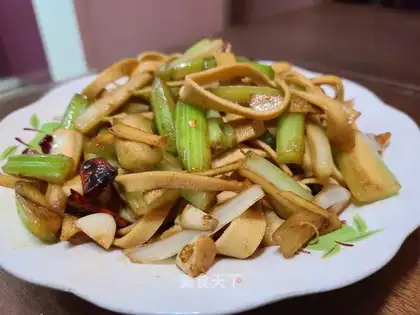
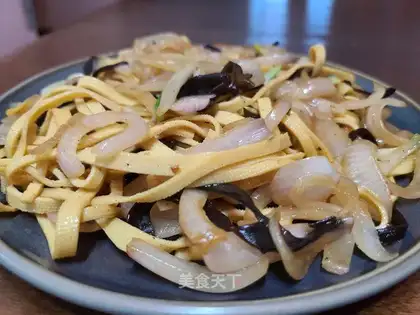
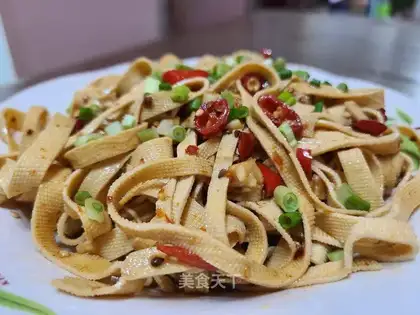
In the vast landscape of plant-based foods, few ingredients offer the versatility, nutritional density, and cultural significance of tofu skin. Also known as soybean skin, yuba, or bean curd sheet, this delicate byproduct of tofu production has been a staple in Asian cuisine for centuries. Revered for its unique texture—pliable yet slightly chewy when fresh, crisp when dried—and its ability to absorb flavors, tofu skin is more than just a culinary delight; it is a nutritional powerhouse with a range of health benefits. However, like all foods, it must be consumed mindfully. This article explores the nutritional profile of tofu skin, its proven health benefits, and important precautions to consider when incorporating it into your diet.
Nutritional Profile: A Concentrated Source of Plant-Based Goodness
Tofu skin is often called the "protein concentrate" of the soybean, as it forms when a layer of protein and fat rises to the surface of heated soy milk during tofu production. This layer is skimmed off and dried or shaped into sheets, resulting in a product that packs a significant nutritional punch into a low-calorie package.
A 100-gram serving of dried tofu skin contains approximately:
- Calories: 445 kcal (dried) or 94 kcal (rehydrated), making it a calorie-dense yet nutrient-rich option.
- Protein: 52 grams (dried) or 11 grams (rehydrated)—comparable to animal-based proteins like chicken or beef, but entirely plant-based. This makes it an excellent choice for vegetarians, vegans, and those looking to reduce meat consumption.
- Fat: 21 grams (dried) or 4.5 grams (rehydrated), with a healthy balance of unsaturated fats, including omega-3 and omega-6 fatty acids, which support heart health.
- Carbohydrates: 28 grams (dried) or 6 grams (rehydrated), mostly from fiber, with minimal sugar.
- Fiber: 5 grams (dried) or 1 gram (rehydrated), aiding digestion and promoting gut health.
- Minerals: Tofu skin is rich in essential minerals, including calcium (300 mg per 100g dried, supporting bone health), iron (8 mg, preventing anemia), magnesium (200 mg, regulating muscle and nerve function), and potassium (500 mg, balancing blood pressure).
- Vitamins: It contains B vitamins (especially B2 and B12, though B12 is often added in fortified varieties), which are crucial for energy metabolism and nerve health.
Notably, tofu skin is a complete protein, meaning it contains all nine essential amino acids that the body cannot produce on its own. This rarity in plant foods makes it particularly valuable for muscle repair, immune function, and overall growth.
Health Benefits: Beyond Nutrition
The nutritional composition of tofu skin translates into a range of health benefits, backed by both traditional use and modern scientific research.
1. Supports Muscle Growth and Repair
With its high protein content and complete amino acid profile, tofu skin is an ideal food for muscle maintenance. This is especially beneficial for athletes, older adults (who may experience age-related muscle loss), and individuals recovering from illness or injury. The leucine, an essential amino acid abundant in tofu skin, plays a key role in triggering muscle protein synthesis.
2. Promotes Heart Health
Tofu skin is low in saturated fat and cholesterol-free, making it a heart-healthy alternative to animal proteins. Its high potassium content helps counteract the effects of sodium, lowering blood pressure and reducing the risk of hypertension. Additionally, the unsaturated fats in tofu skin, including linoleic acid, can help lower LDL ("bad") cholesterol levels, further protecting against cardiovascular disease.
3. Strengthens Bones and Teeth
Calcium is the most abundant mineral in tofu skin, and it works in tandem with magnesium and vitamin K (present in smaller amounts) to maintain bone density. Regular consumption may reduce the risk of osteoporosis, particularly in postmenopausal women, who are at higher risk for bone loss. Some varieties of tofu skin are also fortified with vitamin D, which enhances calcium absorption.
4. Regulates Blood Sugar
The fiber and protein in tofu skin contribute to slow digestion, preventing rapid spikes in blood sugar levels. This makes it a suitable food for people with diabetes or those at risk of developing the condition. A study published in the Journal of Nutrition found that diets high in plant-based proteins, such as those from soy, improve insulin sensitivity and glycemic control.
5. Aids Weight Management
Despite being calorie-dried, tofu skin’s high protein and fiber content promote satiety, reducing overall calorie intake. Protein takes longer to digest than carbohydrates, keeping you full longer, while fiber adds bulk to meals without adding calories. This combination makes tofu skin a valuable tool for weight loss or maintenance.
6. Boosts Immune Function
Tofu skin contains antioxidants, including isoflavones (such as genistein and daidzein), which have anti-inflammatory and immune-boosting properties. These compounds help neutralize free radicals, reducing oxidative stress and lowering the risk of chronic diseases like cancer and neurodegenerative disorders. Isoflavones may also mimic estrogen in the body, potentially alleviating symptoms of menopause, such as hot flashes.
Culinary Versatility: From Savory to Sweet
Part of tofu skin’s appeal lies in its culinary adaptability. Dried tofu skin, often sold in flat sheets or rolled sticks, must be rehydrated before use, typically by soaking in warm water for 15–20 minutes. Once rehydrated, it becomes soft and pliable, making it perfect for:
- Stir-fries and curries: Absorbs sauces and spices, adding a chewy texture.
- Soups and hot pots: Adds substance and protein to broths.
- Spring rolls and dumplings: Used as a wrapper or filling.
- Desserts: In East Asian cuisine, sweetened tofu skin is rolled into snacks like "tau fua fah" (tofu pudding) or fried into crispy treats.
Fresh tofu skin, known as "yuba," is softer and often used in salads or as a meat substitute in vegan dishes. Its mild flavor allows it to pair well with both savory and sweet ingredients, making it a favorite among chefs and home cooks alike.
Precautions and Potential Side Effects
While tofu skin is highly nutritious, it is not without potential risks, particularly for certain individuals. Moderation and awareness are key to enjoying its benefits safely.
1. Soy Allergies
Soy is one of the top eight allergens, and individuals with soy allergies should strictly avoid tofu skin. Allergic reactions can range from mild (hives, itching) to severe (anaphylaxis), so those with a known allergy must read labels carefully, as tofu skin is often hidden in processed foods.
2. High Phytate Content
Tofu skin contains phytates, compounds that can inhibit the absorption of minerals like iron, zinc, and calcium. While this is a concern for individuals with mineral deficiencies, soaking or fermenting tofu skin can reduce phytate levels by up to 50%. For most people, the benefits of tofu skin’s mineral content outweigh the risk of reduced absorption.
3. Purine Content
Dried tofu skin is relatively high in purines, natural compounds that break down into uric acid. People with gout or kidney problems should limit their intake, as high uric levels can trigger gout attacks or worsen kidney function. A 100-gram serving of dried tofu skin contains approximately 150–200 mg of purines, which is considered moderate to high.
4. GMO Concerns
Most soybeans grown globally are genetically modified (GMO) to resist pests and herbicides. While GMO soy is considered safe by regulatory bodies like the FDA, some consumers prefer to avoid it. Opting for organic or non-GMO tofu skin can mitigate this concern.
5. Sodium in Processed Varieties
Some commercially available tofu skin products, especially flavored or dried snacks, may contain added sodium to enhance taste. Excessive sodium intake is linked to high blood pressure and heart disease, so choosing low-sodium or unflavored varieties is advisable for those monitoring their sodium intake.
Conclusion: A Nutrient-Rich Addition to a Balanced Diet
Tofu skin is a remarkable ingredient that bridges the gap between nutrition and culinary creativity. Its high protein, fiber, and mineral content, combined with its versatility in the kitchen, make it a valuable addition to any diet—whether plant-based or not. From supporting muscle growth and heart health to aiding weight management and blood sugar regulation, the benefits of tofu skin are well-supported by both traditional use and modern science.
However, like all foods, moderation is key. Individuals with soy allergies, gout, or kidney issues should consult a healthcare provider before adding tofu skin to their diet. For everyone else, choosing high-quality, minimally processed varieties and preparing it thoughtfully (e.g., soaking to reduce phytates) can maximize its benefits while minimizing risks.
In a world where plant-based eating is gaining traction for health, ethical, and environmental reasons, tofu skin stands out as a nutrient-dense, sustainable, and delicious option. Whether enjoyed in a hearty stir-fry, a comforting soup, or a sweet dessert, this humble soy product proves that good things truly do come in small packages.