Introduction
Mugwort (Artemisia vulgaris), a perennial herb belonging to the Asteraceae family, has been revered for centuries across cultures for its medicinal, culinary, and even spiritual properties. Native to Europe, Asia, and North Africa, this aromatic plant—known by names such as “wormwood,” “mugwort,” or “artemisia”—thrives in temperate regions and has naturalized in many parts of the world. While often recognized for its role in traditional remedies, teas, and even as a flavoring agent, mugwort is gaining modern attention as a “superfood” due to its exceptional nutritional profile and diverse health benefits. From supporting digestive health to alleviating menstrual discomfort, this humble herb offers a wealth of advantages. However, like many potent botanicals, it must be used with caution. This article explores the nutritional value, health benefits, and important precautions associated with mugwort, providing a comprehensive guide for incorporating this ancient herb into a balanced lifestyle.
Nutritional Profile of Mugwort
Mugwort’s nutritional composition is as diverse as its traditional uses. The plant contains a rich array of vitamins, minerals, antioxidants, and bioactive compounds that contribute to its therapeutic potential.
Vitamins
Mugwort is a notable source of fat-soluble and water-soluble vitamins. It provides vitamin A (as beta-carotene), which is essential for vision, immune function, and skin health. The herb also contains vitamin K, crucial for blood clotting and bone metabolism, as well as vitamin E, a powerful antioxidant that protects cells from oxidative damage. Additionally, mugwort offers B vitamins, including folate (B9), which supports DNA synthesis and cell division, and riboflavin (B2), which aids energy production.
Minerals
The mineral content of mugwort further enhances its nutritional value. It is rich in iron, a key component of hemoglobin that supports oxygen transport in the blood—making it particularly beneficial for individuals with iron-deficiency anemia. Mugwort also provides calcium for bone health, magnesium for muscle and nerve function, potassium for regulating blood pressure, and manganese, which acts as a cofactor for antioxidant enzymes.
Bioactive Compounds
Perhaps most impressive is mugwort’s concentration of bioactive compounds, including flavonoids (such as quercetin and apigenin), terpenes (like camphor and pinene), and phenolic acids. These compounds possess anti-inflammatory, antimicrobial, and antioxidant properties. Mugwort also contains artemisinin, a sesquiterpene lactone with well-documented antimalarial and anticancer effects, though its concentration in culinary mugwort is lower than in medicinal varieties like Artemisia annua.
Fiber and Low Calories
As an herb, mugwort is low in calories but high in dietary fiber, which promotes digestive health by supporting regular bowel movements and feeding beneficial gut bacteria. Its mild, earthy flavor—reminiscent of chamomile or sage—makes it a versatile addition to both sweet and savory dishes without adding significant calories.
Health Benefits of Mugwort
The combination of vitamins, minerals, and bioactive compounds in mugwort translates to a wide range of health benefits, many of which have been validated by modern research.
1. Digestive Health Support
Mugwort has long been used in traditional medicine to alleviate digestive discomfort. Its bitter compounds stimulate the production of digestive enzymes, bile, and stomach acid, enhancing the breakdown of food and reducing bloating, indigestion, and constipation. In traditional Chinese medicine (TCM), mugwort is often prescribed to “warm the digestive system” and treat symptoms like abdominal pain and diarrhea. Studies suggest that its anti-inflammatory properties may also help soothe conditions such as gastritis and irritable bowel syndrome (IBS).
2. Menstrual and Women’s Health
One of mugwort’s most well-documented uses is in women’s health. The herb is a emmenagogue, meaning it promotes blood flow to the uterus and can help regulate menstrual cycles. It is commonly used to relieve menstrual cramps, amenorrhea (absence of periods), and premenstrual syndrome (PMS) symptoms. Mugwort’s antispasmodic properties relax uterine muscles, reducing pain, while its iron content combats fatigue often associated with heavy menstruation. In some cultures, mugwort leaves are applied topically as a compress to lower abdominal pain during periods.
3. Anti-Inflammatory and Antioxidant Effects
Chronic inflammation is a root cause of many modern diseases, including arthritis, diabetes, and heart disease. Mugwort’s flavonoids and phenolic acids inhibit pro-inflammatory enzymes (such as COX-2) and cytokines, reducing inflammation throughout the body. Its antioxidant compounds, including artemisinin and quercetin, neutralize free radicals—unstable molecules that damage cells and accelerate aging. By combating oxidative stress, mugwort may lower the risk of chronic diseases and support overall cellular health.
4. Immune System Boost
Mugwort’s immune-enhancing properties stem from its vitamin C content and antimicrobial compounds. Vitamin C stimulates the production of white blood cells, which are critical for fighting infections. Additionally, mugwort has been shown to exhibit antibacterial activity against strains like Staphylococcus aureus and Escherichia coli, as well as antifungal effects against Candida albicans. This makes it a valuable natural remedy for supporting immune function, particularly during cold and flu season.
5. Skin Health and Wound Healing
Topically, mugwort has been used for centuries to treat skin conditions such as eczema, psoriasis, and acne. Its anti-inflammatory and antimicrobial properties reduce redness, kill acne-causing bacteria, and soothe irritated skin. Mugwort also contains compounds that promote collagen production, aiding in wound healing and reducing the appearance of scars. In modern skincare, mugwort extract is a popular ingredient in cleansers, toners, and masks for its ability to calm and rejuvenate the skin.
6. Potential Anticancer Properties
Artemisinin, the compound responsible for mugwort’s antimalarial effects, has also shown promise in cancer research. Studies indicate that artemisinin and its derivatives can induce apoptosis (programmed cell death) in cancer cells, particularly those of the breast, colon, and liver. While more clinical trials are needed, these findings highlight mugwort’s potential as a complementary therapy in cancer treatment.
7. Detoxification and Liver Health
In both TCM and Western herbalism, mugwort is regarded as a “blood purifier” and liver tonic. Its bitter compounds support liver function by enhancing detoxification pathways, helping the body eliminate toxins and metabolic waste. This detoxifying effect may improve skin clarity, boost energy levels, and reduce the burden on the digestive system.
Culinary Uses of Mugwort
Beyond its medicinal properties, mugwort is a versatile culinary ingredient. Its leaves, young shoots, and even flowers can be used in a variety of dishes:
- Teas and Infusions: Dried mugwort leaves are steeped to make a soothing tea, often blended with chamomile or peppermint for flavor.
- Seasoning: Fresh or dried mugwort leaves can be used as an herb to season meats, vegetables, and soups, similar to rosemary or thyme.
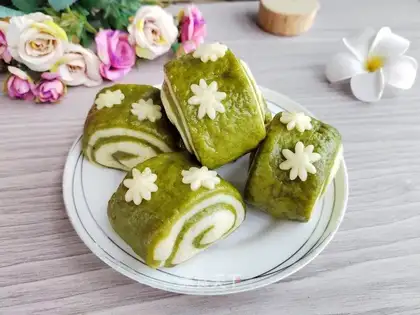
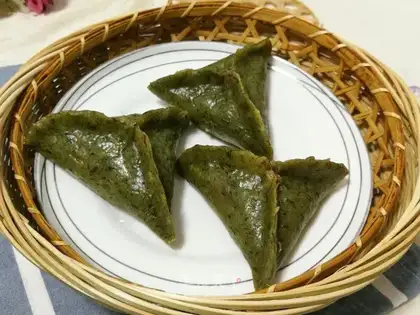
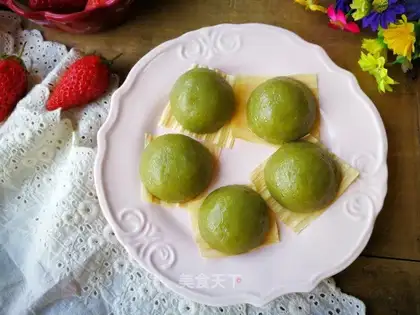
- Baking: In European and East Asian cuisines, mugwort is incorporated into breads, cakes, and mochi (a Japanese rice cake) for its unique aroma and potential digestive benefits.
- Vegetable Dishes: Young mugwort shoots can be sautéed like spinach or added to salads for a nutrient boost.
- Alcoholic Beverages: In Korea, mugwort is used to make “sokcha,” a traditional herbal wine, and in Germany, it flavors “Mettigel,” a type of pork spread.
Precautions and Contraindications
While mugwort offers numerous health benefits, it is not without risks. Due to its potent bioactive compounds, certain precautions must be taken:
1. Allergic Reactions
Mugwort is a common allergen and a primary trigger for pollen-induced allergies (hay fever). Individuals with ragweed, pollen, or chrysanthemum allergies are particularly susceptible to cross-reactivity. Symptoms may include skin rashes, hives, sneezing, or in severe cases, anaphylaxis. Those with known allergies should avoid mugwort or consult a healthcare provider before use.
2. Pregnancy and Breastfeeding
Pregnant women should avoid mugwort, as it is a uterine stimulant that may increase the risk of miscarriage or preterm labor. There is insufficient data on its safety during breastfeeding, so caution is advised.
3. Drug Interactions
Mugwort may interact with certain medications, particularly blood thinners (e.g., warfarin) and diabetes drugs. Its vitamin K content can counteract the effects of anticoagulants, while its potential to lower blood sugar may enhance the effects of hypoglycemic medications, leading to dangerously low blood sugar levels. Individuals taking prescription medications should consult a doctor before using mugwort.
4. Toxicity in High Doses
While culinary use is generally safe, consuming large amounts of mugwort (especially concentrated extracts) may cause toxicity. Symptoms of overdose include dizziness, nausea, vomiting, and liver damage. Artemisinin, in particular, can be toxic in high doses, leading to neurological or cardiac issues.
5. Not for Long-Term Use
Mugwort is best used intermittently (e.g., for short-term relief of menstrual cramps or digestive issues) rather than as a daily supplement for extended periods. Long-term use may disrupt gut microbiota or lead to tolerance to its therapeutic effects.
Conclusion
Mugwort is a remarkable herb that bridges ancient tradition and modern wellness. Its rich nutritional profile—packed with vitamins, minerals, and bioactive compounds—supports digestive health, women’s wellness, immune function, and more. However, its potency also demands respect: allergies, pregnancy, drug interactions, and excessive consumption pose significant risks.
For those interested in incorporating mugwort into their diet or wellness routine, moderation is key. Start with small amounts, such as adding fresh leaves to a salad or brewing a occasional cup of tea, and prioritize organic sources to avoid pesticide exposure. As with any herbal remedy, consulting a healthcare provider is essential, especially for individuals with underlying health conditions or those taking medications.
In a world where natural solutions are increasingly sought after, mugwort stands out as a testament to the wisdom of traditional herbalism—one that, when used wisely, can enhance health and vitality for generations to come.