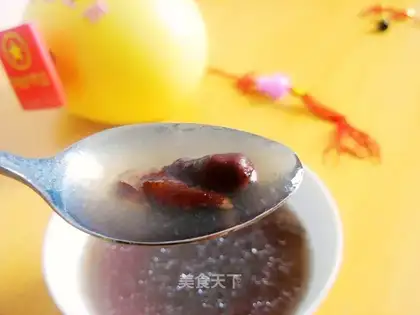
In the vast alpine meadows and river valleys of the Qinghai-Tibet Plateau, a humble yet remarkable plant thrives: Potentilla anserina, commonly known as "蕨麻" (juémá) in Chinese or "silverweed" in English. For centuries, this unassuming root has been a staple in Tibetan and Himalayan diets, revered not only for its delicate, sweet flavor but also for its exceptional nutritional and medicinal properties. Often called the "ginseng of the plateau,"蕨麻 embodies the wisdom of traditional food-medicine synergy, offering a unique blend of macronutrients, micronutrients, and bioactive compounds. Today, as global interest in functional foods and plant-based nutrition grows,蕨麻 is gaining recognition beyond its native regions. This article explores the nutritional profile, health benefits, and important considerations for consuming this extraordinary ingredient, shedding light on why it deserves a place in modern diets.
I. Nutritional Profile: A Storehouse of Essential Nutrients
蕨麻’s nutritional value lies in its dense concentration of both macro- and micronutrients, making it a standout among root vegetables. Its small, knobby root—resembling a misshapen pearl or tiny sweet potato—packs a surprising punch of energy, protein, fiber, and vitamins.
1. Carbohydrates and Dietary Fiber
As a carbohydrate-rich food,蕨麻 provides a sustained source of energy, with approximately 70–80% of its dry weight consisting of complex carbohydrates. Unlike refined sugars, these carbs are digested slowly, helping stabilize blood sugar levels and prevent energy crashes. What sets蕨麻 apart is its high dietary fiber content, which accounts for 15–20% of its dry weight. This fiber includes both soluble and insoluble varieties: soluble fiber (such as pectin) forms a gel-like substance in the gut, aiding digestion and cholesterol management, while insoluble fiber adds bulk to stool, promoting regular bowel movements and preventing constipation.
2. Protein and Amino Acids
Though not as protein-dense as legumes,蕨麻 contains 8–12% protein in its dry form, with a balanced profile of essential amino acids. Notably, it is rich in lysine, an amino acid often lacking in grain-based diets, and contains moderate levels of methionine and cysteine. This makes蕨麻 a valuable complementary protein source for vegetarians and vegans, particularly when combined with cereals or legumes to create a complete protein.
3. Vitamins and Minerals
蕨麻 is a micronutrient powerhouse, boasting an impressive array of vitamins and minerals critical for overall health:
- Vitamin C: A potent antioxidant, vitamin C supports immune function, collagen synthesis, and iron absorption.蕨麻 contains 20–30 mg of vitamin C per 100 grams of fresh root—comparable to oranges—making it an excellent natural source.
- B Vitamins: It is particularly rich in folate (B9), which is essential for DNA synthesis and cell division, and smaller amounts of thiamine (B1), riboflavin (B2), and niacin (B3), which play key roles in energy metabolism.
- Minerals: The root is loaded with essential minerals, including potassium (important for blood pressure regulation), calcium (for bone health), magnesium (for muscle and nerve function), iron (for preventing anemia), and zinc (for immune support). It also contains trace amounts of selenium, a powerful antioxidant that protects cells from oxidative damage.
4. Bioactive Compounds
Beyond basic nutrients,蕨麻 contains unique bioactive compounds that contribute to its medicinal properties. These include:
- Tannins: Polyphenols with antioxidant and anti-inflammatory effects, which help neutralize free radicals and reduce oxidative stress.
- Saponins: Plant compounds that have been shown to support immune function and lower cholesterol levels.
- Flavonoids: Antioxidants that protect against chronic diseases by reducing inflammation and improving blood vessel health.
II. Health Benefits: From Traditional Medicine to Modern Wellness
For centuries, Tibetan and Chinese medicine have used蕨麻 to treat a range of ailments, from digestive issues to fatigue. Modern research is now validating many of these traditional uses, highlighting its potential as a functional food for promoting overall health.
1. Supports Digestive Health
The high fiber content in蕨麻 makes it a boon for digestive wellness. Soluble fiber acts as a prebiotic, feeding beneficial gut bacteria and promoting a healthy microbiome. This, in turn, improves nutrient absorption, reduces bloating, and alleviates symptoms of irritable bowel syndrome (IBS). Insoluble fiber, meanwhile, adds bulk to stool, speeding up transit time and preventing constipation. Additionally,蕨麻’s mild astringent properties (from tannins) help soothe inflamed intestinal lining, making it beneficial for those with diarrhea or mild gastritis.
2. Boosts Immune Function
蕨麻’s immune-boosting effects stem from its combination of vitamin C, zinc, and bioactive compounds. Vitamin C stimulates the production of white blood cells, enhancing the body’s ability to fight infections. Zinc plays a critical role in immune cell development and function, while saponins and flavonoids have been shown to modulate immune activity, reducing excessive inflammation that can lead to chronic diseases. Regular consumption of蕨麻 may therefore help lower the risk of common illnesses like colds and flu.
3. Regulates Blood Sugar and Supports Diabetes Management
Thanks to its high fiber and complex carbohydrate content,蕨麻 has a low glycemic index (GI), meaning it causes a slow, gradual rise in blood sugar levels rather than a spike. This makes it an ideal food for people with diabetes or those at risk of developing the condition. Fiber slows down the absorption of glucose in the gut, while compounds like tannins may improve insulin sensitivity, helping the body use blood sugar more efficiently. Studies in animal models have shown that蕨 extract can reduce blood glucose levels, suggesting its potential as a complementary therapy for diabetes management.
4. Enhances Energy and Reduces Fatigue
In traditional Tibetan medicine,蕨麻 is known as a "tonic" for combating fatigue and improving stamina. Its high carbohydrate content provides readily available energy, while its B vitamins (particularly thiamine and riboflavin) help convert food into cellular energy (ATP). Additionally,蕨麻 contains small amounts of iron, which is essential for producing hemoglobin—the protein in red blood cells that carries oxygen to tissues. By preventing iron-deficiency anemia,蕨麻 helps reduce feelings of tiredness and weakness, making it a popular choice for athletes and individuals with busy, demanding lifestyles.
5. Promotes Skin Health and Anti-Aging
The antioxidants in蕨—including vitamin C, flavonoids, and tannins—play a key role in protecting skin from damage caused by free radicals, UV radiation, and pollution. Vitamin C is also critical for collagen synthesis, which maintains skin elasticity and reduces the appearance of fine lines and wrinkles. Furthermore,蕨麻’s anti-inflammatory properties can help soothe skin conditions like eczema and acne, while its high water content (in fresh roots) keeps the skin hydrated and supple.
6. Supports Cardiovascular Health
蕨麻 may benefit heart health in multiple ways. Its soluble fiber binds to cholesterol in the digestive tract, preventing its absorption into the bloodstream and lowering LDL ("bad") cholesterol levels. Potassium, another key nutrient in蕨, helps regulate blood pressure by balancing sodium levels and relaxing blood vessels. Additionally, flavonoids improve endothelial function (the health of blood vessel linings), reducing the risk of atherosclerosis and heart disease.
III. Consumption Methods: From Traditional Dishes to Modern Recipes
蕨麻’s versatility in the kitchen makes it easy to incorporate into a variety of dishes. Traditionally, it is used in Tibetan cuisine, where fresh or dried roots are simmered into stews, porridges, or teas. Dried蕨麻, in particular, has a long shelf life and rehydrates quickly, making it convenient for storage and use.
1. Traditional Uses
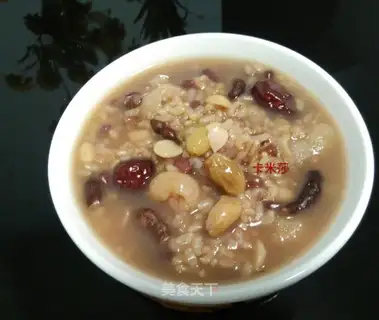
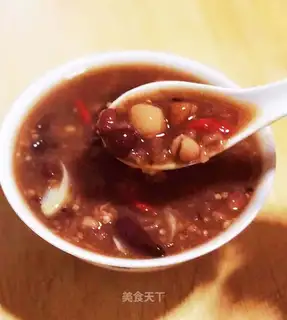
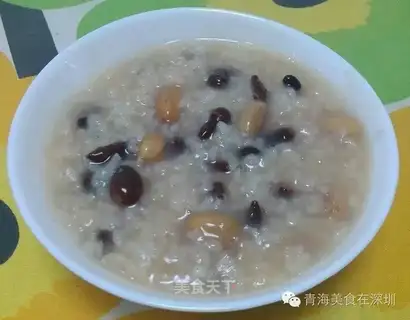
- Tibetan Porridge (Tsampa with蕨麻): Dried蕨 is cooked with barley flour (tsampa), butter, and sugar to create a hearty, nutritious porridge, often eaten for breakfast or as a post-workout meal.
- Stews and Soups: Fresh or dried蕨 is added to meat or vegetable stews, where it absorbs the flavors of the broth and adds a sweet, slightly crunchy texture. In Tibetan culture,蕨-mutton stew is a classic dish, served during festivals and special occasions.
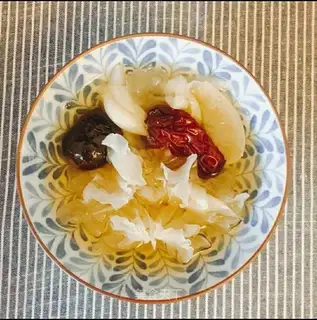
- Teas and Tonics: Dried蕨 is steeped in hot water to make a medicinal tea, often mixed with goji berries or red dates to enhance its immune-boosting properties.
2. Modern Culinary Applications
As蕨 gains popularity globally, chefs and home cooks are experimenting with new ways to use it:
- Salads and Sides: Rehydrated蕨 can be blanched and tossed into salads, adding a sweet, nutty flavor and crunchy texture. It also pairs well with roasted vegetables or grains like quinoa and farro.
- Smoothies and Juices: Fresh蕨 root can be blended into smoothies for an extra boost of fiber, vitamins, and minerals. Its mild flavor makes it easy to combine with fruits, leafy greens, and yogurt.
- Desserts: In some regions,蕨 is used to make jams, puddings, or even ice cream, leveraging its natural sweetness to reduce the need for added sugar.
IV. Precautions and Contraindications: Who Should Be Cautious?
While蕨麻 is generally safe for most people when consumed in moderation, there are certain precautions to keep in mind, particularly for individuals with specific health conditions.
1. High Oxalate Content
Like many root vegetables,蕨 contains oxalates, compounds that can bind to calcium and form kidney stones in susceptible individuals. People with a history of kidney stones or oxalate-related kidney issues should limit their intake and consult a healthcare provider before consuming蕨 regularly. Cooking蕨 can reduce its oxalate content, making it safer for those with mild sensitivities.
2. Blood Sugar Effects
Although蕨 is beneficial for blood sugar regulation, individuals on diabetes medications should monitor their blood sugar levels closely when adding蕨 to their diet. Its fiber content may enhance the effects of medications like insulin or metformin, increasing the risk of hypoglycemia (low blood sugar) if doses are not adjusted.
3. Allergic Reactions
While rare, some people may be allergic to蕨, particularly those sensitive to plants in the Rosaceae family (which includes roses, strawberries, and almonds). Symptoms of an allergic reaction may include itching, swelling, or digestive upset. Those trying蕨 for the first time should start with a small amount to assess tolerance.
4. Pregnancy and Breastfeeding
Pregnant and breastfeeding women should consume蕨 in moderation, as there is limited research on its safety during these periods. Traditional use suggests it is safe, but consulting a healthcare provider is advisable to avoid potential risks.
V. Sustainability and Future Prospects
As demand for蕨 grows, concerns about its sustainability have emerged. Wild harvesting of蕨 from the Qinghai-Tibet Plateau has led to overexploitation in some areas, threatening local ecosystems. To address this, efforts are underway to cultivate蕨 sustainably, using organic farming methods to preserve soil health and biodiversity. Supporting sustainably sourced蕨 not only protects the environment but also ensures the long-term availability of this nutrient-dense food.
Looking ahead, research into蕨’s bioactive compounds may unlock new therapeutic applications. Studies are exploring its potential in cancer prevention (due to its antioxidant properties), cognitive health (via its anti-inflammatory effects), and gut microbiome modulation. As science continues to uncover its benefits,蕨 is poised to become a mainstream superfood, bridging traditional wisdom and modern nutrition.
Conclusion
蕨麻, the "ginseng of the plateau," is a nutritional and culinary gem that offers a unique blend of macronutrients, micronutrients, and bioactive compounds. From supporting digestive health and boosting immunity to regulating blood sugar and promoting skin vitality, its health benefits are as diverse as its culinary applications. While precautions exist for certain individuals, its overall safety and versatility make it an excellent addition to a balanced diet. As we embrace sustainable and nutrient-dense foods,蕨 stands out as a reminder of the power of nature to nourish and heal—one tiny root at a time. Whether enjoyed in a traditional Tibetan stew or a modern smoothie,蕨 is more than just an ingredient; it is a symbol of the harmonious relationship between food, health, and the environment.