Introduction
In the vast tapestry of global cuisine, certain ingredients transcend mere sustenance, embodying centuries of tradition, cultural symbolism, and evolving scientific intrigue. Among these is Platycodon grandiflorus, commonly known as桔梗 (jie geng) in Chinese, or "balloon flower" in English. Revered in East Asian medicine and cuisine for over two millennia, this striking blue-purple plant—whose root is the primary edible part—has long been celebrated for its unique texture, subtle flavor, and purported health benefits. Today, as modern nutrition science increasingly intersects with traditional knowledge,桔梗 is gaining global attention as a "functional food"—a ingredient that not only nourishes but also promotes wellness. This article delves into the nutritional profile, health benefits, and critical precautions associated with桔梗, offering a nuanced perspective on this ancient ingredient.
Part 1: Nutritional Profile of Platycodon Grandiflorus
桔梗’s nutritional value lies in its rich blend of bioactive compounds, polysaccharides, saponins, and micronutrients, each contributing to its therapeutic potential. While often consumed in small quantities due to its intense flavor, its nutrient density makes it a standout in traditional diets.
1.1 Key Bioactive Compounds
The most notable constituents of桔梗 root are platycodins, a group of triterpenoid saponins responsible for its characteristic foamy texture and many health effects. Platycodins, such as platycodin D and polygalacin, exhibit antioxidant, anti-inflammatory, and immune-modulating properties. Additionally,桔梗 contains polyphenols (including ferulic acid and caffeic acid), which combat oxidative stress, and inulin, a prebiotic fiber that supports gut health by nourishing beneficial gut bacteria.
1.2 Macronutrients and Micronutrients
Though low in calories (approximately 70 kcal per 100g of dried root),桔梗 offers a modest amount of protein (2–3g) and fiber (6–8g), primarily from inulin. It is rich in essential minerals, including calcium (150mg per 100g), crucial for bone health; iron (3mg per 100g), which aids oxygen transport; and magnesium (40mg per 100g), involved in over 300 enzymatic reactions. The root also provides vitamins such as vitamin C (10mg per 100g), an antioxidant that boosts immunity, and B vitamins (e.g., B1, B2), which support energy metabolism.
1.3 Unique Texture and Culinary Appeal
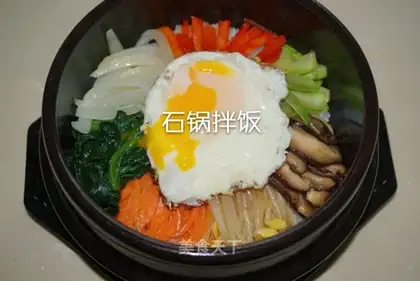
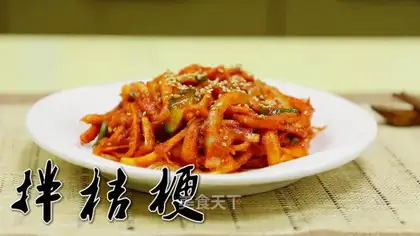
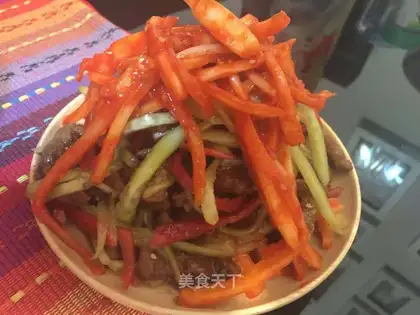
Culinary,桔梗 is prized for its crunchy, gelatinous texture, achieved through a process of salting, soaking, and rinsing to remove bitterness. This texture makes it a popular addition to salads, stir-fries, and pickles in Korean (doraji) and Chinese cuisine. Its flavor is mild and slightly earthy, with a hint of sweetness, allowing it to absorb the flavors of accompanying ingredients.
Part 2: Health Benefits of Platycodon Grandiflorus
桔梗’s health benefits are deeply rooted in traditional medicine, particularly in Traditional Chinese Medicine (TCM) and Korean Hanyak, where it is used to treat respiratory, digestive, and inflammatory conditions. Modern research is now validating many of these claims, highlighting its potential as a complementary therapeutic agent.
2.1 Respiratory Health: A Time Remedy
One of桔梗’s most well-documented uses is in alleviating respiratory ailments. In TCM, it is classified as an "expectorant" and "anti-inflammatory" herb, believed to "open the lungs" and clear phlegm. Modern studies confirm that platycodins stimulate the secretion of respiratory mucus, helping to thin and expel mucus from the airways. This makes it effective for conditions like bronchitis, sinusitis, and the common cold. A 2018 study published in the Journal of Ethnopharmacology found that platycodin D reduced inflammation in lung tissue and improved airflow in mice with chronic obstructive pulmonary disease (COPD), suggesting potential for long-term respiratory support.
2.2 Anti-Inflammatory and Immune-Modulating Effects
Chronic inflammation is a root cause of many modern diseases, from arthritis to diabetes.桔梗’s saponins and polyphenols exhibit potent anti-inflammatory activity by inhibiting pro-inflammatory cytokines (e.g., TNF-α, IL-6) and blocking NF-κB, a key signaling pathway in inflammation. Additionally, polysaccharides in桔梗 enhance immune function by activating macrophages and natural killer (NK) cells, which defend against pathogens. A 2020 study in Phytomedicine reported that桔idine extract reduced inflammation in patients with rheumatoid arthritis, with fewer side effects than conventional medications.
2.3 Digestive and Gut Health Support
As a source of inulin, a prebiotic fiber,桔梗 promotes a healthy gut microbiome. Inulin ferments in the colon, producing short-chain fatty acids (SCFAs) like butyrate, which reduce gut inflammation, strengthen the intestinal barrier, and inhibit harmful bacteria. This makes桔梗 beneficial for conditions like irritable bowel syndrome (IBS) and constipation. In TCM, it is also used to "regulate the spleen and stomach," aiding digestion and reducing bloating.
2.4 Antioxidant and Anti-Aging Properties
Oxidative stress, caused by an imbalance between free radicals and antioxidants, accelerates aging and contributes to chronic diseases.桔梗 is rich in antioxidants that neutralize free radicals, including polyphenols and vitamin C. A 2019 study in Food Chemistry found that桔idine extract exhibited higher antioxidant activity than blueberries, a well-known "superfood." By reducing oxidative stress,桔梗 may help protect against cellular damage, lower the risk of cardiovascular disease, and slow skin aging.
2.5 Potential Anti-Cancer Effects (Emerging Research)
While more human studies are needed, preliminary research suggests桔梗 may have anti-cancer properties. Platycodins have been shown to induce apoptosis (programmed cell death) in cancer cells, including those of the lung, liver, and colon. They also inhibit angiogenesis (the formation of new blood tumors that feed tumors). A 2021 study in Oncology Reports found that platycodin D suppressed the growth of lung cancer cells in mice by downregulating the PI3K/Akt signaling pathway, a pathway often dysregulated in cancer.
2.6 Weight and Metabolic Health Support
桔idine’s fiber content and low calorie density make it a valuable addition to weight management diets. Inulin promotes satiety, reducing overall calorie intake, while its anti-inflammatory effects may improve insulin sensitivity. A 2022 study in Nutrients found that obese rats fed桔idine extract had lower body weight, improved lipid profiles, and reduced liver fat accumulation compared to controls. These results suggest potential for preventing metabolic syndrome, a cluster of conditions (e.g., obesity, high blood pressure, insulin resistance) that increase the risk of heart disease and diabetes.
Part 3: Precautions and Potential Side Effects
While桔梗 offers numerous health benefits, it is not without risks. Its use must be approached with caution, particularly for individuals with certain health conditions or those taking medications. Understanding these precautions is essential to avoid adverse effects.
3.1 Toxicity and Safe Dosage
Raw桔梗 root contains toxic saponins that can cause nausea, vomiting, and diarrhea if consumed in large quantities. Traditional preparation methods—soaking in salt water, boiling, and fermenting—significantly reduce toxicity. In culinary use,桔idine is typically consumed in small amounts (e.g., 10–20g per serving) as a side dish or ingredient. For medicinal purposes, TCM practitioners recommend 3–10g of dried root per day, prepared as a tea or decoction. Exceeding these doses may lead to toxicity, with symptoms including dizziness, confusion, and in severe cases, respiratory depression.
3.2 Drug Interactions
桔idine may interact with certain medications, particularly those affecting the central nervous system or blood pressure. It contains compounds that enhance the effects of sedatives and anesthetics, increasing the risk of drowsiness or respiratory depression when taken with drugs like benzodiazepines or barbiturates. Additionally, its diuretic properties may potentiate the effects of blood pressure-lowering medications, leading to hypotension (low blood pressure). Individuals taking any prescription medications should consult a healthcare provider before using桔idine medicinally.
3.3 Contraindications for Specific Populations
- Pregnancy and Lactation: There is insufficient safety data on桔idine use during pregnancy or breastfeeding. Its uterine-stimulating effects may pose a risk of miscarriage, and its saponins may pass into breast milk, affecting infants. Pregnant and nursing women should avoid桔idine entirely.
- Gastrointestinal Ulcers:桔idine’s saponins can irritate the stomach lining, worsening symptoms of peptic ulcers or gastritis. Individuals with these conditions should avoid consumption.
- Bleeding Disorders:桔idine has mild anticoagulant properties, which may increase the risk of bleeding when taken with blood thinners like warfarin or aspirin. Those with bleeding disorders or scheduled surgery should avoid it.
- Children: Due to their smaller body weight, children are more susceptible to桔idine’s toxic effects. It should not be given to young children without medical supervision.
3.4 Quality and Sourcing
The safety of桔idine largely depends on its quality and preparation. Commercially available products (e.g., dried roots, powders, or pickles) should be sourced from reputable suppliers to ensure they are free from contaminants like heavy metals or pesticides. Additionally, homemade桔idine dishes must be properly prepared to remove bitterness and toxins, as improper preparation can lead to adverse effects.
Conclusion
桔梗 (Platycodon grandiflorus) is a remarkable ingredient that bridges tradition and science, offering a unique combination of culinary appeal and health benefits. Its rich nutritional profile—featuring saponins, polysaccharides, and antioxidants—underpins its traditional uses for respiratory health, inflammation reduction, and digestive support, while modern research is uncovering potential applications in cancer prevention, metabolic health, and anti-aging. However, its use is not without risks, and proper preparation, dosage, and awareness of contraindications are essential to avoid toxicity and drug interactions.
As global interest in functional foods grows,桔idine stands out as a testament to the wisdom of traditional medicine and the potential of nature to heal. When consumed mindfully—as part of a balanced diet and lifestyle—this humble root can be a valuable ally in promoting health and longevity. Whether enjoyed as a crunchy side dish in a Korean meal or brewed as a soothing tea,桔idine invites us to appreciate the delicate balance between flavor, nutrition, and wellness.
Word Count: ~1,580