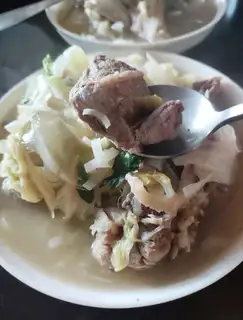
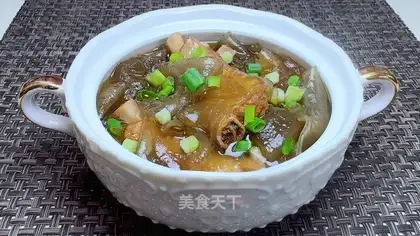
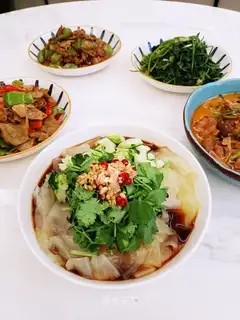
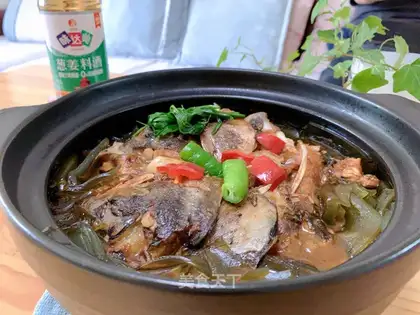
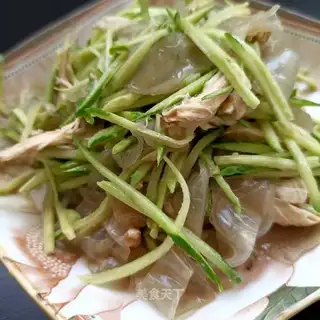
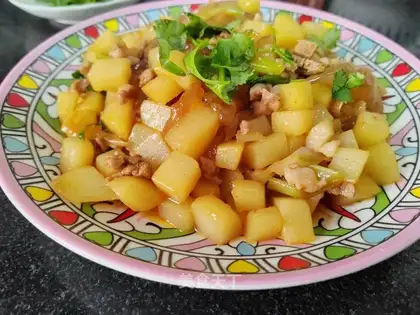
Rice noodle sheets, known as fenpi (粉皮) in Chinese, are a traditional and versatile ingredient widely used in Asian cuisine. Made from rice flour, water, and sometimes a hint of starch, these translucent, jelly-like sheets have been a staple in households and restaurants for centuries. Beyond their culinary flexibility—stir-fried, boiled, or served cold—fenpi boasts a rich nutritional profile and numerous health benefits. However, like any food, it must be consumed mindfully to avoid potential drawbacks. This article explores the nutritional value of fenpi, its health benefits, and important precautions for safe consumption.
Nutritional Value of Rice Noodle Sheets
Fenpi is primarily composed of rice flour, which is derived from polished rice grains. Its nutritional profile is dominated by carbohydrates, with moderate levels of protein and minimal fat. A 100-gram serving of plain, uncooked fenpi typically contains:
- Carbohydrates: ~80–85 grams, providing a quick source of energy. Carbohydrates are the body’s primary fuel, supporting brain function, physical activity, and metabolic processes.
- Protein: ~2–3 grams, though this is relatively low compared to legumes or meat. Rice protein is incomplete (lacking some essential amino acids like lysine), but combining fenpi with protein-rich foods (e.g., tofu, chicken, or beans) can enhance its nutritional quality.
- Fat: <1 gram, making it a low-fat option suitable for weight management and heart health.
- Dietary Fiber: ~1–2 grams, which aids digestion and promotes gut health. While not as high as whole grains, fenpi can contribute to daily fiber intake, especially when paired with vegetables.
- Micronutrients: Fenpi contains small amounts of B vitamins (e.g., thiamine and niacin), which are essential for energy metabolism. It also provides trace minerals like manganese, magnesium, and iron. Iron is particularly noteworthy for its role in preventing anemia, though its bioavailability is lower than from animal sources.
- Hydration: With a high water content (~90%), fenpi is hydrating and low in calories, making it a refreshing choice in hot weather or for those seeking low-calorie meals.
The simplicity of fenpi—made from just rice flour and water—also means it is naturally gluten-free, making it an excellent alternative for individuals with celiac disease or gluten sensitivity.
Health Benefits of Rice Noodle Sheets
1. Supports Digestive Health
The moderate fiber content in fenpi promotes healthy digestion by adding bulk to stool and facilitating regular bowel movements. This helps prevent constipation and supports a balanced gut microbiome. Additionally, its soft, easily digestible texture makes it gentle on the stomach, ideal for individuals with digestive sensitivities, children, or the elderly.
2. Aids in Weight Management
As a low-calorie, low-fat, and high-water food, fenpi can help control calorie intake while promoting satiety. When included in balanced meals (e.g., stir-fries with vegetables and lean protein), it reduces the risk of overeating and supports weight loss or maintenance goals. Its versatility also allows it to replace higher-calorie staples like pasta or noodles.
3. Boosts Energy Levels
The carbohydrate-rich composition of fenpi provides a rapid source of glucose, the body’s preferred energy source. This makes it an ideal food for athletes, busy professionals, or anyone needing a quick energy boost without the heaviness of fatty meals.
4. Promotes Heart Health
With negligible fat and no cholesterol, fenpi contributes to a heart-healthy diet. When prepared with minimal oil and paired with vegetables, lean proteins, and healthy fats (e.g., sesame oil or avocado), it can help lower the risk of cardiovascular diseases. The B vitamins in fenpi also support homocysteine metabolism, a factor linked to heart health.
5. Hydrates the Body
Given its high water content, fenpi is an effective way to stay hydrated, especially during hot weather or after exercise. Proper hydration is critical for regulating body temperature, maintaining joint health, and supporting cognitive function.
6. Gluten-Free Alternative
For individuals with gluten intolerance, celiac disease, or those following a gluten-free diet, fenpi offers a safe and delicious alternative to wheat-based noodles. It can be used in a variety of dishes, from cold salads to hot soups, without triggering adverse reactions.
Precautions and Potential Side Effects
While fenpi is generally safe for most people, certain precautions should be taken to maximize its benefits and avoid health risks.
1. High Glycemic Index (GI) for Uncooked Fenpi
Uncooked fenpi has a high glycemic index (GI), meaning it can cause a rapid spike in blood sugar levels when consumed alone. This is particularly concerning for individuals with diabetes, insulin resistance, or prediabetes. To mitigate this, fenpi should be paired with low-GI foods (e.g., non-starchy vegetables, legumes, or lean protein) to slow down glucose absorption. Additionally, cooking fenpi and allowing it to cool slightly can lower its GI, a process known as "resistant starch formation," which improves blood sugar control.
2. Risk of Contamination and Additives
Commercially produced fenpi may contain additives such as preservatives (e.g., sodium benzoate) or thickeners (e.g., cornstarch) to extend shelf life or improve texture. While these are generally safe in small amounts, excessive consumption of additives may pose health risks for sensitive individuals. To minimize exposure, opt for brands with minimal ingredients or prepare homemade fenpi using just rice flour and water.
3. Nutrient Deficiencies if Relied Upon Heavily
While fenpi is nutritious, it is not a complete food. Its low protein and fiber content (compared to whole grains or legumes) means relying too heavily on it can lead to nutrient deficiencies. For balanced nutrition, fenpi should be part of a diverse diet that includes fruits, vegetables, whole grains, and protein sources.
4. Sodium Intake in Prepared Dishes
When fenpi is used in stir-fries, soups, or sauces, it is often combined with high-sodium ingredients like soy sauce, salt, or processed meats. Excessive sodium intake is linked to high blood pressure and cardiovascular issues. To reduce sodium, use low-sodium soy sauce, limit added salt, and increase the proportion of fresh vegetables in dishes.
5. Allergic Reactions (Rare)
Though rare, some individuals may be allergic to rice or rice flour. Symptoms of a rice allergy include itching, hives, swelling, or digestive discomfort. Those with known rice allergies should avoid fenpi and seek alternative gluten-free options (e.g., mung bean noodles or sweet potato noodles).
Conclusion
Rice noodle sheets (fenpi) are a nutrient-dense, versatile ingredient that offers numerous health benefits, from supporting digestion and weight management to providing hydration and energy. Their gluten-free nature makes them accessible to a wide range of consumers, while their mild flavor complements a variety of dishes. However, mindful consumption is key: pairing fenpi with low-GI foods, avoiding excessive additives and sodium, and ensuring a balanced diet can help maximize its benefits while minimizing risks.
Whether enjoyed in a refreshing summer salad, a hearty stir-fry, or a comforting soup, fenpi is a testament to the simplicity and nutritional value of traditional ingredients. By understanding its properties and incorporating it wisely into a healthy lifestyle, anyone can savor the benefits of this humble yet powerful food.