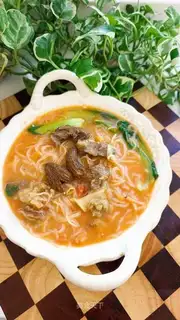
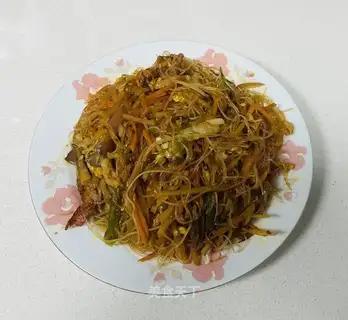
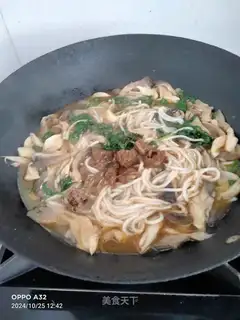
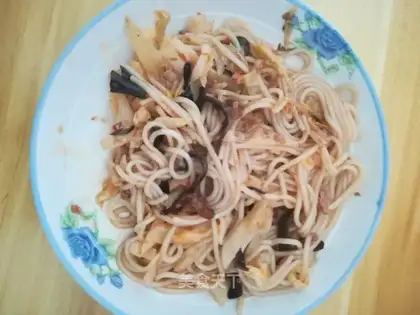
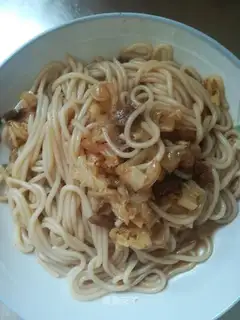
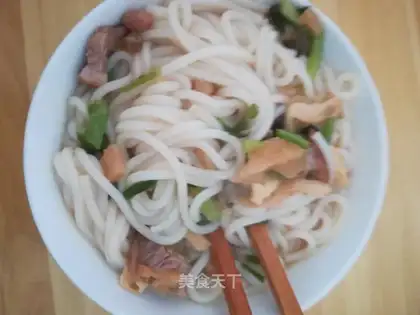
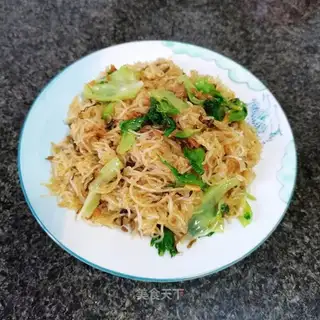
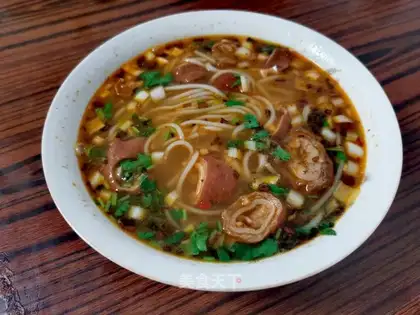
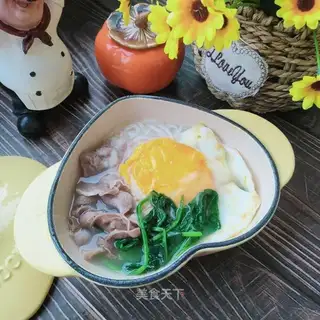
Rice noodles, a staple in many Asian cuisines, have transcended cultural boundaries to become a beloved global ingredient. Made from rice flour and water, these versatile noodles are celebrated for their delicate texture, neutral flavor, and adaptability in dishes—from steaming bowls of pho in Vietnam to spicy stir-fries in China and coconut-based curries in Thailand. Beyond their culinary appeal, rice noodles offer a range of nutritional benefits, but like all foods, they should be consumed mindfully. This article explores the nutritional profile of rice noodles, their health benefits, and important precautions to consider for optimal enjoyment and well-being.
Nutritional Value of Rice Noodles
Rice noodles are primarily composed of carbohydrates, making them a rich energy source. A 100-gram serving of cooked rice noodles typically contains:
- Carbohydrates: 25–30 grams, mostly in the form of starch, which provides quick energy for daily activities.
- Protein: 2–3 grams, a modest amount compared to wheat-based noodles or legumes, but sufficient when combined with protein-rich ingredients like meat, tofu, or eggs.
- Fat: Less than 1 gram, making them a low-fat option, especially important for those monitoring fat intake.
- Dietary Fiber: 1–2 grams, though this varies by type (e.g., brown rice noodles contain slightly more fiber than white rice noodles).
- Micronutrients: Rice noodles are not a significant source of vitamins or minerals, but they may contain trace amounts of iron, magnesium, and B vitamins, particularly if fortified. Brown rice noodles, made from whole-grain rice, offer more fiber, vitamin E, and magnesium than their refined counterparts.
One of the key nutritional advantages of rice noodles is their gluten-free nature. Unlike wheat-based pasta or noodles, rice noodles do not contain gluten, a protein that triggers adverse reactions in individuals with celiac disease or gluten sensitivity. This makes them an excellent alternative for those following a gluten-free diet.
Health Benefits of Rice Noodles
The consumption of rice noodles is associated with several health benefits, particularly when incorporated into a balanced diet.
1. Gluten-Free and Digestive-Friendly
For people with celiac disease, non-celiac gluten sensitivity, or wheat allergies, rice noodles provide a safe and digestible carbohydrate source. Gluten can cause inflammation, bloating, and digestive distress in sensitive individuals, but rice noodles are naturally free from this protein, promoting gut health and reducing discomfort.
2. Sustainable Energy Source
The high carbohydrate content in rice noodles makes them an ideal food for sustained energy release. Carbohydrates are broken down into glucose, the body’s primary fuel source, supporting physical activity, cognitive function, and overall metabolism. Unlike simple sugars, the complex carbohydrates in rice noodles provide gradual energy release, preventing blood sugar spikes and crashes.
3. Low in Fat and Calories
Plain rice noodles are low in fat and calories, making them a suitable choice for weight management. A 100-gram serving of cooked rice noodles contains approximately 130–150 calories, far less than fried noodles or those made with refined flour. When paired with vegetables, lean proteins, and healthy sauces, rice noodles can form a nutritious, low-calorie meal that supports weight loss or maintenance goals.
4. Supports Heart Health
When consumed as part of a diet rich in vegetables, lean proteins, and healthy fats, rice noodles can contribute to heart health. Their low sodium and fat content (especially when not fried) helps reduce the risk of hypertension and cardiovascular disease. Additionally, brown rice noodles contain antioxidants like phenolic compounds, which may help lower oxidative stress and inflammation—key factors in heart disease development.
5. Versatility for Balanced Diets
Rice noodles are a blank canvas for nutrient-dense ingredients. By adding vegetables (e.g., broccoli, bell peppers, carrots), proteins (e.g., chicken, shrimp, tofu, or legumes), and healthy fats (e.g., avocado, nuts, or olive oil), individuals can create a well-rounded meal that meets their nutritional needs. For example, a vegetable and tofu rice noodle bowl provides fiber, plant-based protein, vitamins, and minerals, making it a nutritionally complete option.
Precautions and Considerations
While rice noodles offer numerous benefits, there are important precautions to keep in mind to avoid potential health risks.
1. Glycemic Index and Blood Sugar Management
Rice noodles, particularly those made from refined white rice, have a high glycemic index (GI), meaning they can cause rapid spikes in blood sugar levels. This is a concern for individuals with diabetes or insulin resistance. To mitigate this, opt for brown rice noodles or those made from whole-grain rice, which have a lower GI due to their higher fiber content. Pairing rice noodles with protein, healthy fats, and fiber-rich vegetables can also slow glucose absorption and stabilize blood sugar.
2. Sodium Content in Store-Bought and Restaurant Versions
Many commercially prepared rice noodle products, such as instant noodles or pre-seasoned dried noodles, are high in sodium to enhance flavor and preserve shelf life. Excessive sodium intake is linked to high blood pressure, kidney disease, and cardiovascular issues. To reduce sodium intake:
- Choose plain, unseasoned rice noodles.
- Limit the use of high-sodium sauces (e.g., soy sauce, fish sauce) or opt for low-sodium alternatives.
- Avoid instant rice noodle cups, which can contain 1,500–2,000 milligrams of sodium per serving—more than the daily recommended limit (2,300 milligrams for most adults).
3. Risk of Contamination in Fresh Rice Noodles
Fresh rice noodles, commonly sold in refrigerated sections or wet markets, are prone to bacterial contamination if not handled or stored properly. They should be cooked immediately after purchase or stored in the refrigerator for no more than 1–2 days. Always check for signs of spoilage, such as a sour smell, slimy texture, or mold, before consumption.
4. Nutrient Deficiencies in Relying Solely on Rice Noodles
While rice noodles are a good source of carbohydrates, they lack significant amounts of protein, fiber, vitamins, and minerals. A diet that overly depends on rice noodles without diversifying ingredients may lead to nutrient deficiencies. To ensure a balanced intake:
- Combine rice noodles with protein sources (e.g., eggs, meat, beans, or lentils).
- Add plenty of vegetables and fruits to boost fiber, vitamin, and mineral content.
- Consider fortified rice noodles, which may contain added nutrients like iron, zinc, or B vitamins.
5. Allergies and Cross-Contamination
Although rice noodles are gluten-free, they may be processed in facilities that handle wheat, soy, or other allergens, posing a risk of cross-contamination for individuals with severe allergies. Always check product labels for allergen warnings, and if cooking at home, use clean utensils and surfaces to avoid cross-contact.
Conclusion
Rice noodles are a nutritious, versatile, and gluten-free ingredient that can be part of a healthy diet when consumed in moderation and paired with nutrient-dense foods. They provide a low-fat, energy-rich carbohydrate source, support digestive health for gluten-sensitive individuals, and offer culinary flexibility for creating balanced meals. However, mindful consumption is key: opt for whole-grain varieties to lower the glycemic index, limit sodium intake, ensure proper food safety, and avoid over-reliance on them as a primary nutrient source. By incorporating rice noodles into a diverse and balanced diet, individuals can enjoy their delicious taste while reaping their health benefits safely. Whether in a steaming bowl of soup, a crisp stir-fry, or a fresh salad, rice noodles continue to prove their worth as a staple in global cuisine and a contributor to overall well-being.