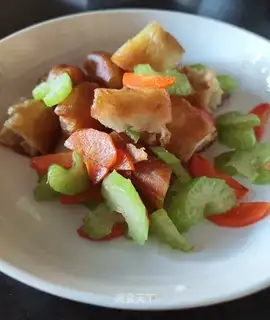
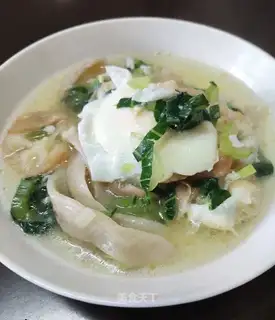
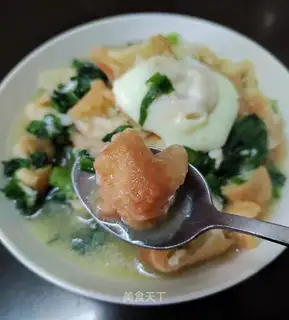
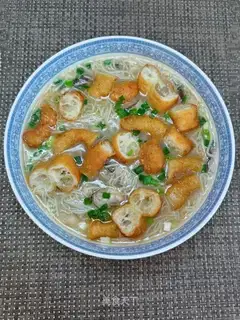
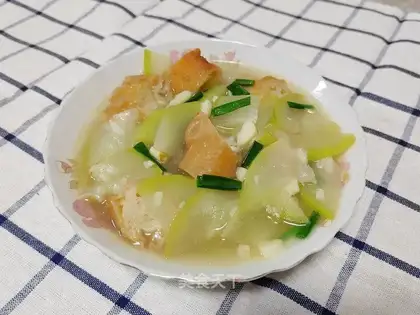
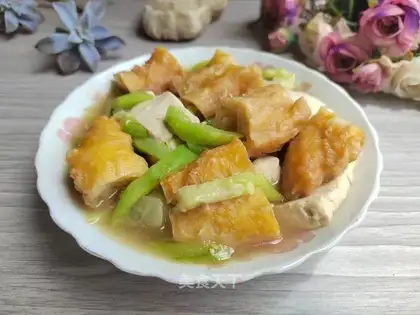
The youtiao, or Chinese fried dough stick, is more than just a breakfast staple in China and beyond—it is a cultural icon, a vessel of nostalgia, and a subject of culinary curiosity. Crispy on the outside, soft on the inside, and often paired with warm soy milk or congee, this golden-brown strip of dough has transcended its regional origins to become a global symbol of Chinese breakfast culture. Yet, behind its irresistible aroma lies a complex nutritional profile, a range of health benefits, and important considerations for consumption. This article delves into the nutritional value of youtiao, its potential health benefits, and the dietary precautions one should bear in mind, offering a comprehensive guide to enjoying this beloved food wisely.
I. Nutritional Value of Youtiao: Breaking Down the Components
At first glance, youtiao appears simple: a strip of dough deep-fried until golden. However, its nutritional composition is a result of its ingredients and cooking method, which combine to create a food that is energy-dense, rich in certain nutrients, but also high in specific components that require moderation.
1. Core Ingredients and Their Nutritional Contributions
The basic dough for youtiao is made from wheat flour, water, salt, and sometimes baking powder or yeast. Wheat flour provides carbohydrates, the primary macronutrient in youtiao, which serve as the body’s main source of energy. A typical 100-gram serving of youtiao contains approximately 30–35 grams of carbohydrates, making it a quick energy boost—ideal for busy mornings or physically demanding days.
Flour also contains small amounts of protein (around 6–8 grams per 100 grams), though this is incomplete protein, lacking sufficient essential amino acids like lysine. To complement this, youtiao is often paired with protein-rich foods such as soy milk, eggs, or tofu, creating a more balanced meal. Salt, added in small quantities, contributes sodium, which is essential for fluid balance and nerve function but must be consumed in moderation to avoid cardiovascular issues.
2. The Impact of Deep-Frying: Fat, Calories, and Acrylamide
The defining characteristic of youtiao is its deep-frying process, which significantly alters its nutritional profile. When dough is submerged in hot oil (typically vegetable or palm oil), it absorbs fat, increasing its calorie density. A single youtiao (about 50 grams) can contain 150–200 calories, with 30–40% of these coming from fat—mostly unsaturated fats if healthy oils are used, but also saturated fats depending on the oil type.
Deep-frying also introduces acrylamide, a potentially harmful compound formed when starchy foods are heated at high temperatures (above 120°C). Acrylamide has been linked to health risks in animal studies, though its impact on humans is still under research. To minimize acrylamide formation, reputable vendors often use fresh oil, control frying temperatures, and avoid overcooking the youtiao.
3. Micronutrients and Additives
Plain youtiao is not a significant source of vitamins or minerals, but some variations include nutrient-boosting ingredients. For example, “whole wheat youtiao” adds fiber, aiding digestion, while “seafood youtiao” (mixed with shrimp or scallops) provides protein and micronutrients like selenium and vitamin B12. However, commercially produced youtiao may contain additives such as alum (potassium aluminum sulfate) to enhance crispness. While alum is approved for food use in small quantities, excessive intake has been associated with neurotoxicity, making it important to choose vendors that limit artificial additives.
II. Health Benefits of Youtiao: More Than Just a Treat
While youtiao is often labeled as “unhealthy” due to its high fat and calorie content, when consumed in moderation and as part of a balanced diet, it can offer several health benefits.
1. Energy Replenishment and Physical Performance
The carbohydrates in youtiao are broken down into glucose, which is rapidly absorbed into the bloodstream, providing quick energy. This makes youtiao an excellent choice for athletes, manual laborers, or anyone needing an energy boost. Its combination of simple and complex carbohydrates (from flour) ensures both immediate and sustained energy release, helping to prevent fatigue and improve concentration.
2. Mood Enhancement and Cognitive Function
Carbohydrates stimulate the production of serotonin, a neurotransmitter that regulates mood and promotes feelings of well-being. A warm youtiao breakfast can thus have a positive psychological effect, reducing stress and enhancing focus. Additionally, the small amount of protein in youtiao provides tyrosine, an amino acid that supports the production of dopamine and norepinephrine, which are critical for alertness and cognitive performance.
3. Digestive Aid (When Paired Wisely)
While plain youtiao is low in fiber, pairing it with fiber-rich foods like soy milk, fresh vegetables, or fruit can improve its digestive benefits. Soy milk, for instance, contains oligosaccharides that promote gut health, while fruits provide vitamins and antioxidants. This combination slows carbohydrate absorption, preventing blood sugar spikes and supporting long-term digestive health.
4. Cultural and Social Well-being
Beyond nutrition, youtiao holds cultural significance that contributes to mental health. In China, sharing youtiao with family or friends is a common social ritual, fostering connection and happiness. Food psychologists note that traditional foods like youtiao can evoke positive emotions and reduce feelings of isolation, indirectly supporting overall well-being.
III. Precautions and Dietary Considerations
Despite its benefits, youtiao is not suitable for everyone, and excessive or improper consumption can lead to health issues. Understanding these precautions is key to enjoying youtiao safely.
1. Calorie and Fat Management
Youtiao’s high calorie and fat content makes it a food that should be consumed in moderation, particularly by individuals aiming to lose weight or manage obesity. A single youtiao can contribute 10–15% of the daily calorie intake for an average adult, and frequent consumption may lead to weight gain. To mitigate this, opt for smaller portions (e.g., half a youtiao) or pair it with low-calorie foods like steamed buns or fresh fruit.
2. Cardiovascular Health and Sodium Intake
The sodium in youtiao, combined with the sodium often added to accompanying soy milk or congee, can contribute to high blood pressure, a major risk factor for heart disease and stroke. The American Heart Association recommends limiting sodium intake to 2,300 milligrams per day, with an ideal target of 1,500 milligrams for those with hypertension. A single youtiao can contain 200–300 milligrams of sodium, so it is important to balance it with low-sodium meals throughout the day.
3. Acrylamide and Additive Awareness
As mentioned earlier, deep-frying can produce acrylamide, and while research on humans is ongoing, minimizing exposure is advisable. Choose vendors that use fresh oil, avoid overcooked youtiao (which tends to be darker and harder), and limit consumption to 2–3 times per week. Additionally, check ingredient lists for additives like alum or artificial flavorings, and opt for homemade or artisanal youtiao when possible.
4. Special Populations: Children, Pregnant Women, and Chronic Disease Patients
- Children: Youtiao’s high fat and calorie content may contribute to childhood obesity if consumed excessively. It should be offered as an occasional treat rather than a daily staple.
- Pregnant Women: Pregnant women are more sensitive to sodium and acrylamide, so youtiao should be limited to small portions. Additionally, raw dough (if used in some recipes) poses a risk of salmonella, ensuring thorough cooking is essential.
- Diabetics: The refined carbohydrates in youtiao can cause rapid spikes in blood sugar. Diabetics should choose whole wheat varieties, pair them with protein and fiber, and monitor blood glucose levels closely.
- Individuals with Kidney Disease: High sodium content can worsen kidney dysfunction, so youtiao should be avoided or consumed under medical supervision.
5. Food Safety and Freshness
Stale or improperly stored youtiao may rancidify due to its fat content, leading to off-flavors and potential health risks. Always consume youtiao fresh, purchased from reputable vendors that maintain proper hygiene and cooking standards. Leftover youtiao should be refrigerated and consumed within 24 hours, though reheating may compromise its texture.
IV. Conclusion: Enjoying Youtiao Responsibly
Youtiao is a testament to the beauty of simplicity in cuisine—humble ingredients transformed into a beloved delicacy through skill and tradition. While its nutritional profile is high in calories, fat, and sodium, these characteristics do not render it “unhealthy” when consumed mindfully. By pairing youtiao with nutrient-dense foods, limiting portion sizes, and choosing high-quality preparations, one can enjoy its crispy texture, energy-boosting benefits, and cultural significance without compromising health.
As global interest in Chinese cuisine grows, youtiao offers a case study in balancing indulgence and wellness. It reminds us that food is not just about sustenance but also about pleasure, connection, and heritage. So, the next time you savor a youtiao, do so with awareness: appreciate its flavor, respect its ingredients, and let it be a small, joyful part of a balanced, healthy life.