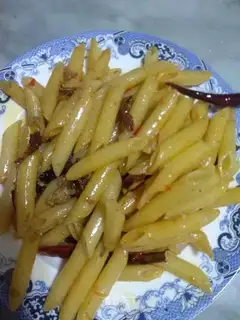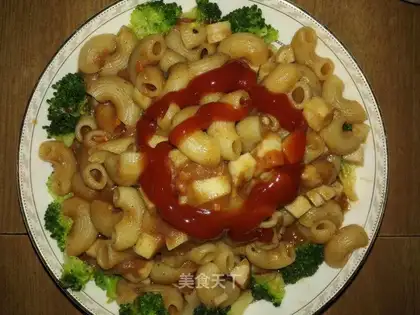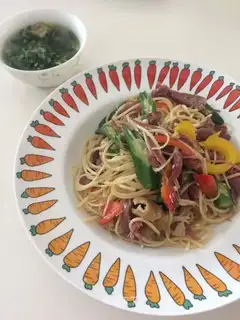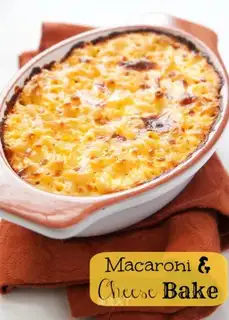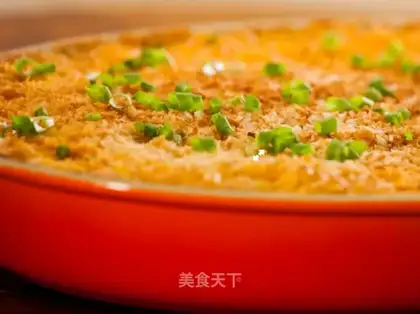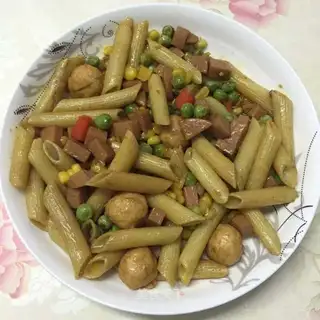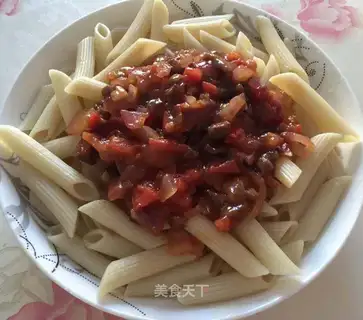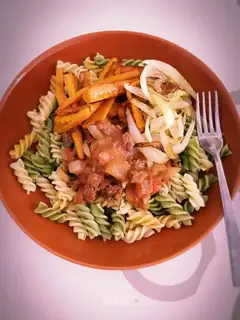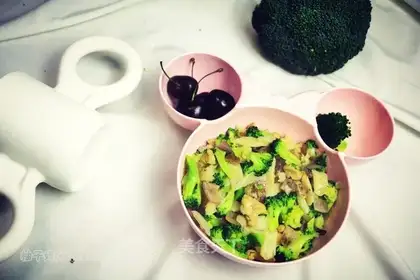
The ability to chew is one of the most easily overlooked issues in the process of supplementary feeding. A baby cannot always eat, which affects the ability of the baby to chew, so we have to adjust the shape of the food in time and often change the staple food for the baby. The macaroni that is common in Western meals is not as soft as the usual lasagna, it has a smooth taste, most of the babies are good at eating, and it helps them exercise their chewing ability. You think a baby's got a few bad teeth? Didn't the little guy find the toothbed so good when he sharpened your finger? The truth is, the baby's teeth are in her teeth, chewing the bars. Why don't you give the baby a bite? You're gonna have to wait till the baby's teeth are full before you start to practice chewing? Then it's too late! Today, the grapefruit brought you a macaroni practice: macaroni for chicken. The delicious complementary bowl contains both meat, vegetables and staples, which are very nutritious and very simple, saving mothers time. Besides, this bowl of macaroni can be eaten by the family after it's finished. It's as good as it tastes
The piped macaroni originates in Italian macaroni, which is the first form and name of pasta development and is commonly known as the sum of all types of pasta. In the eighteenth century, British macaroni was fashionable, and one of the greatest developments in the history of macaroni was the emergence of cheese sauce, which has given rise to macaroni that is now common. Today's macaroni and cheese for American families seem to be common, and it was once delicious for the elite in Europe. Eventually, macaroni and cheese entered the House of Lords. Jefferson's African cook, Thomas Jefferson, accompanied Jefferson to France, where he studied classic French food. There he had macaroni and cheese recipes. After his trip to Europe, Thomas Jefferson promoted cheese macaroni to the kitchen of the United States。