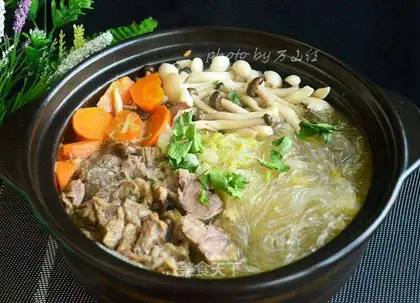
Potato starch noodles, commonly known as "fans" or "glass noodles," are a versatile and widely consumed staple in Asian cuisine, prized for their translucent texture, neutral flavor, and ability to absorb the tastes of broths and sauces. Made from the starch of potatoes (Solanum tuberosum), these noodles have a rich history dating back centuries and remain a beloved ingredient in dishes like japchae (Korean stir-fried noodles), tangyuan (Chinese sweet dumplings), and nom banh chok (Cambodian noodle soup). Beyond their culinary appeal, potato starch noodles offer unique nutritional properties and health benefits, but they also require mindful consumption to avoid potential risks. This article explores their nutritional profile, health-promoting effects, and important dietary considerations.
Nutritional Value of Potato Starch Noodles
Potato starch noodles are primarily composed of carbohydrates, with minimal protein, fat, and fiber. Their nutritional profile is distinct from wheat-based or rice noodles, making them a unique choice for specific dietary needs.
1. Carbohydrates and Energy
The main component of potato starch noodles is amylopectin, a type of complex carbohydrate that accounts for about 80% of potato starch. Amylopectin is easily digestible and provides a quick source of energy, making these noodles an ideal choice for athletes or individuals needing a rapid energy boost. A 100-gram serving of cooked potato starch noodles contains approximately 80–90 calories, mostly from carbohydrates, with negligible fat (less than 0.5 grams) and low sodium (if unsalted).
2. Gluten-Free and Digestive Benefits
Unlike wheat-based noodles, potato starch noodles are naturally gluten-free, making them a safe and delicious alternative for people with celiac disease, gluten sensitivity, or wheat allergies. Gluten is a protein that triggers adverse reactions in susceptible individuals, including digestive discomfort, bloating, and nutrient malabsorption. By eliminating gluten, potato starch noodles provide a inclusive option for those following gluten-free diets while still satisfying carbohydrate cravings.
3. Trace Minerals and Resistant Starch
While potato starch noodles are not a significant source of vitamins or minerals, they contain small amounts of potassium, phosphorus, and magnesium, which support nerve function, muscle contraction, and bone health. Additionally, when cooled, potato starch noodles form resistant starch—a type of carbohydrate that resists digestion in the small intestine and ferments in the colon. Resistant acts as a prebiotic, feeding beneficial gut bacteria (e.g., Bifidobacteria) and promoting a healthy gut microbiome. Studies link resistant starch to improved insulin sensitivity, reduced inflammation, and lower risk of colorectal cancer.
4. Low Protein and Fat Content
Potato starch noodles are nearly protein-free (less than 1 gram per 100 grams) and contain negligible fat. This makes them suitable for low-protein diets (e.g., for kidney disease patients under medical supervision) but less ideal for those seeking to increase protein intake. To balance meals, pairing them with protein sources like tofu, chicken, eggs, or legumes is recommended.
Health Benefits of Potato Starch Noodles
Beyond their basic nutrition, potato starch noodles offer several health-promoting effects, particularly for digestive health, blood sugar management, and weight control.
1. Supports Digestive Health
The resistant starch in potato starch noodles acts as a prebiotic, nourishing the gut microbiome and promoting the growth of beneficial bacteria. A healthy gut microbiome is linked to improved digestion, enhanced immune function, and reduced risk of gastrointestinal disorders (e.g., irritable bowel syndrome, IBS). Resistant starch also increases stool bulk and frequency, alleviating constipation.
2. Regulates Blood Sugar Levels
Resistant starch has a low glycemic index (GI), meaning it is digested and absorbed slowly, preventing rapid spikes in blood sugar. This makes potato starch noodles a suitable choice for people with diabetes or prediabetes. Research shows that replacing high-GI foods with low-GI alternatives like potato starch noodles can improve long-term blood sugar control and reduce the risk of type 2 diabetes.
3. Aids in Weight Management
Potato starch noodles are low in calories and fat but high in volume, which promotes satiety (feelings of fullness) without excessive calorie intake. This can help prevent overeating and support weight loss or weight maintenance goals. Additionally, the slow digestion of resistant starch prolongs satiety, reducing cravings between meals.
4. May Reduce Chronic Disease Risk
The prebiotic effects of resistant starch may lower the risk of chronic diseases by reducing inflammation and improving metabolic health. Studies suggest that a healthy gut microbiome can decrease systemic inflammation, a key driver of conditions like heart disease, obesity, and type 2 diabetes. Furthermore, resistant starch may help lower LDL ("bad") cholesterol and triglyceride levels, supporting cardiovascular health.
Potential Risks and Precautions
While potato starch noodles offer several health benefits, they are not without risks. Overconsumption or improper preparation may lead to adverse effects, particularly for individuals with certain health conditions.
1. Low Nutrient Density
Potato starch noodles are primarily carbohydrates and lack significant amounts of protein, fiber, vitamins, and minerals. Relying heavily on them as a staple food can lead to nutrient deficiencies, especially if not balanced with nutrient-dense ingredients like vegetables, lean proteins, and healthy fats. For example, a diet high in potato starch noodles but low in vitamin C (found in fruits and vegetables) may impair iron absorption, increasing the risk of anemia.
2. Blood Sugar Spikes in Large Quantities
Although potato starch noodles have a low GI when consumed in moderation, large portions can still cause blood sugar levels to rise, especially when paired with high-sugar sauces or toppings. Individuals with diabetes should monitor portion sizes and combine noodles with protein, fiber, and healthy fats to further slow glucose absorption.
3. Digestive Discomfort
Resistant starch can cause digestive issues in some people, particularly those not accustomed to high-fiber or high-starch diets. Symptoms may include bloating, gas, abdominal cramps, or diarrhea. To minimize discomfort, start with small portions and gradually increase intake, ensuring adequate hydration. Cooking noodles thoroughly and allowing them to cool slightly can enhance resistant starch formation while reducing digestive side effects.
4. Risk of Heavy Metal Contamination
Potatoes, like other root vegetables, can absorb heavy metals (e.g., lead, cadmium) from contaminated soil. While commercial potato starch noodles are generally safe, choosing reputable brands and avoiding excessive consumption is advisable, especially for pregnant women, children, and individuals with compromised immune systems.
5. Not Suitable for Low-Carb Diets
Potato starch noodles are high in carbohydrates, making them incompatible with low-carb or ketogenic diets, which restrict carbohydrate intake to 20–50 grams per day. For those following such diets, alternatives like shirataki noodles (made from konjac yam) or zucchini noodles ("zoodles") are more suitable.
Conclusion
Potato starch noodles are a versatile and nutritious ingredient that offers unique health benefits, particularly for digestive health, blood sugar regulation, and weight management. Their gluten-free nature and resistant starch content make them a valuable addition to balanced diets, especially for individuals with gluten sensitivities or diabetes. However, their low nutrient density and potential digestive side effects necessitate mindful consumption. By pairing them with protein, fiber, and vegetables, and practicing portion control, individuals can enjoy potato starch noodles as part of a healthy, varied diet. As with any food, moderation and balance are key to maximizing their benefits while minimizing risks. Whether in a hearty soup, a stir-fry, or a cold salad, potato starch noodles continue to be a beloved and functional staple in global cuisine.