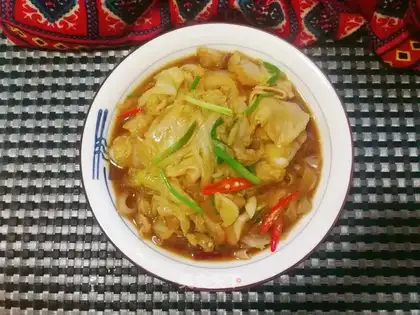
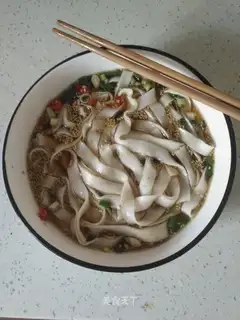
Potato starch noodles, commonly known as "土豆宽粉" in Chinese, are a traditional staple in many Asian cuisines, particularly in China, Korea, and Japan. Made from extracted potato starch, these noodles are renowned for their chewy texture, neutral flavor, and versatility in dishes ranging from hot pot stir-fries to soups. While they are often celebrated for their culinary adaptability, potato starch noodles also offer a range of nutritional benefits and potential health risks. This article explores their nutritional composition, health benefits, and important precautions to consider when incorporating them into a balanced diet.
Nutritional Value of Potato Starch Noodles
Potato starch noodles are primarily composed of carbohydrates, with minimal protein, fat, and fiber. Their nutritional profile is distinct from wheat-based or rice-based noodles, making them a unique option for those with specific dietary needs.
1. Carbohydrates: The Primary Component
The main ingredient in potato starch noodles is potato starch, which is rich in complex carbohydrates. A 100-gram serving of cooked potato starch noodles typically contains around 80-90 grams of carbohydrates, providing a quick and sustained source of energy. Unlike simple sugars, complex carbohydrates are digested slowly, helping to maintain stable blood sugar levels and prevent energy crashes. This makes potato starch noodles a suitable choice for athletes or individuals needing long-lasting energy during physical activities.
2. Low in Protein and Fat
Potato starch noodles are naturally low in protein, with only 1-2 grams per 100-gram serving. This makes them less suitable as a primary protein source compared to noodles made from soybean or egg. However, they can be complemented with protein-rich ingredients such as tofu, meat, or legumes to create a balanced meal.
Similarly, these noodles are virtually fat-free, containing less than 0.5 grams of fat per serving. This low-fat content makes them a heart-healthy option for individuals aiming to reduce their fat intake, particularly saturated and trans fats, which are linked to cardiovascular diseases.
3. Minimal Micronutrients, but Rich in Resistant Starch
Potato starch noodles are not a significant source of vitamins or minerals. They lack substantial amounts of vitamin C, B vitamins, iron, or calcium, which are more abundant in whole foods like fruits, vegetables, and whole grains. However, they do contain resistant starch, a type of carbohydrate that resists digestion in the small intestine and ferments in the colon. Resistant starch acts as a prebiotic, feeding beneficial gut bacteria and promoting digestive health. Studies suggest that it may also improve insulin sensitivity, lower blood sugar levels, and reduce the risk of colon cancer.
4. Gluten-Free and Allergen-Friendly
One of the most significant nutritional advantages of potato starch noodles is their gluten-free nature. Gluten, a protein found in wheat, barley, and rye, can trigger adverse reactions in individuals with celiac disease or gluten sensitivity. Potato starch noodles provide a safe and delicious alternative for those following a gluten-free diet, allowing them to enjoy noodle dishes without discomfort.
Health Benefits of Potato Starch Noodles
Beyond their basic nutritional composition, potato starch noodles offer several health benefits when consumed as part of a balanced diet.
1. Supports Digestive Health
The resistant starch in potato starch noodles acts as a prebiotic, promoting the growth of beneficial gut bacteria such as Bifidobacterium and Lactobacillus. These bacteria play a crucial role in maintaining gut health by inhibiting the growth of harmful pathogens, reducing inflammation, and strengthening the intestinal barrier. A healthy gut microbiome is linked to improved immunity, better nutrient absorption, and a lower risk of digestive disorders like irritable bowel syndrome (IBS) and constipation.
2. Aids in Blood Sugar Management
Resistant starch has a low glycemic index (GI), meaning it does not cause a rapid spike in blood sugar levels after consumption. This makes potato starch noodles a suitable option for individuals with diabetes or those looking to manage their blood sugar levels. Unlike refined wheat noodles, which have a higher GI and can lead to sharp increases in blood glucose, potato starch noodles provide a slower, more gradual release of energy, helping to prevent insulin resistance and metabolic syndrome.
3. Promotes Satiety and Weight Management
The high carbohydrate and fiber content (from resistant starch) in potato starch noodles contributes to feelings of fullness and satiety. This can help reduce overall calorie intake by curbing overeating and unnecessary snacking. For individuals trying to lose or maintain weight, incorporating potato starch noodles into meals can be an effective strategy, as they provide a satisfying portion size without excessive calories.
4. Enhances Energy Levels
Carbohydrates are the body’s primary source of energy, and potato starch noodles offer a concentrated dose of complex carbohydrates. This makes them an ideal food for individuals with high energy demands, such as athletes, manual laborers, or students undergoing intense mental or physical exertion. The slow digestion of complex carbohydrates ensures a steady supply of energy, preventing fatigue and improving performance.
Precautions and Potential Risks
While potato starch noodles offer several health benefits, they are not without drawbacks. Certain precautions should be taken to ensure they are consumed safely and as part of a nutritious diet.
1. Low in Protein and Essential Nutrients
As mentioned earlier, potato starch noodles are low in protein and micronutrients. Relying too heavily on these noodles as a staple food can lead to deficiencies in essential nutrients such as protein, iron, calcium, and B vitamins. To mitigate this, it is important to pair potato starch noodles with protein-rich foods (e.g., chicken, fish, beans, or tofu) and a variety of vegetables to create a well-rounded meal.
2. High Sodium Content in Commercial Products
Many commercially prepared potato starch noodles, especially instant or pre-seasoned varieties, contain high levels of sodium to enhance flavor and extend shelf life. Excessive sodium intake is linked to high blood pressure, heart disease, and stroke. To reduce sodium consumption, opt for plain, unflavored potato starch noodles and limit the use of soy sauce, bouillon cubes, or other high-sodium condiments when preparing meals.
3. Risk of Overconsumption and Blood Sugar Spikes
While potato starch noodles have a low GI, overconsumption can still lead to excessive calorie and carbohydrate intake, particularly if paired with calorie-rich toppings such as fried meats, creamy sauces, or sugary dressings. This can contribute to weight gain and blood sugar imbalances, especially in sedentary individuals. Portion control is key—aim for a balanced meal that includes vegetables, lean protein, and a moderate serving of noodles.
4. Allergic Reactions and Contamination
Although potato starch itself is hypoallergenic, some commercially produced noodles may contain cross-contaminants such as wheat, soy, or nuts, which can trigger allergic reactions in sensitive individuals. Always check product labels for allergen warnings, especially if you have known food allergies. Additionally, homemade potato starch noodles are a safer option for those with severe allergies, as they allow for complete control over ingredients.
5. Not Suitable for Low-Carb Diets
Individuals following low-carbohydrate or ketogenic diets should avoid potato starch noodles, as they are high in carbohydrates. A single serving can exceed the daily carb limit for these diets, potentially hindering weight loss and metabolic goals. Instead, alternatives such as shirataki noodles (made from konjac yam) or zucchini noodles are better suited for low-carb eating plans.
Conclusion
Potato starch noodles are a versatile and nutritious food option that offers several health benefits, including improved digestive health, better blood sugar management, and sustained energy levels. Their gluten-free nature makes them an excellent choice for individuals with celiac disease or gluten sensitivity. However, it is important to consume them in moderation and pair them with protein-rich and nutrient-dense foods to avoid deficiencies. By understanding their nutritional value, benefits, and precautions, you can enjoy potato starch noodles as part of a balanced and healthy diet. Whether in a steaming bowl of hot pot, a stir-fry, or a soup, these noodles can be a delicious and satisfying addition to your meals—when enjoyed wisely.