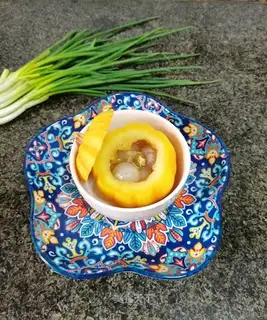
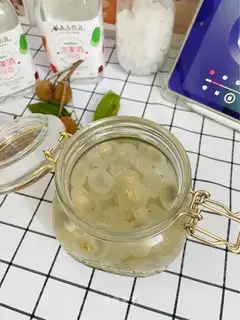
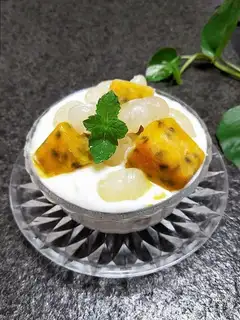
Longan (Dimocarpus longan), often hailed as the "dragon’s eye" in Chinese culture due to its translucent flesh resembling an eyeball, is a tropical fruit cherished for its sweet taste and numerous health benefits. Native to Southern China and widely cultivated across Southeast Asia, this small, round fruit has been a staple in traditional medicine and cuisine for centuries. Beyond its delightful flavor, longan is packed with essential nutrients, offering a range of physiological and psychological benefits. However, like any food, it must be consumed mindfully to avoid potential side effects. This article explores the nutritional profile of longan, its scientifically supported health benefits, and important precautions for safe consumption.
Nutritional Profile of Longan
Longan is a nutrient-dense fruit, rich in vitamins, minerals, antioxidants, and natural sugars, making it both a delicious and healthful addition to one’s diet. A 100-gram serving of fresh longan (approximately 10–12 fruits) contains approximately:
- Carbohydrates: 15–16 grams, mostly in the form of natural sugars like glucose, fructose, and sucrose, providing a quick energy boost.
- Dietary Fiber: 1–1.5 grams, aiding digestion and promoting gut health.
- Vitamins:
- Vitamin C: 10–15% of the Daily Value (DV), a potent antioxidant that supports immune function and skin health.
- Vitamin B Complex: Including niacin (B3), riboflavin (B2), and folate (B9), which play key roles in energy metabolism and cellular repair.
- Minerals:
- Potassium: 5–7% of the DV, essential for regulating blood pressure and fluid balance.
- Iron: 3–5% of the DV, crucial for hemoglobin production and preventing anemia.
- Magnesium and Calcium: Supporting bone health and muscle function.
- Antioxidants: Polyphenols, flavonoids (such as quercetin and gallic acid), and tannins, which combat oxidative stress and reduce inflammation.
Dried longan, known as "Guiyuan," is equally nutritious but more concentrated in sugars and calories, with a 100-gram serving providing about 70–80 grams of carbohydrates and 60–70 grams of sugar.
Health Benefits of Longan
The combination of nutrients in longan contributes to a wide array of health benefits, spanning physical wellness to mental well-being.
1. Boosts Immune Function
Longan is a notable source of vitamin C, a well-known immune booster. Vitamin C stimulates the production and activity of white blood cells, enhancing the body’s ability to fight infections like colds and flu. Additionally, its antioxidant properties protect immune cells from damage caused by free radicals, ensuring a robust defense against pathogens. Traditional Chinese Medicine (TCM) also regards longan as a "warming" food that strengthens the body’s "qi" (vital energy), further supporting immunity.
2. Enhances Mental Health and Cognitive Function
Longan has long been used in TCM to alleviate anxiety, insomnia, and fatigue, a practice now supported by modern research. The fruit contains phenolic compounds and polysaccharides that exhibit anxiolytic (anxiety-reducing) effects. A 2018 study published in the Journal of Ethnopharmacology found that longan seed extract reduced stress-like behaviors in animal models by modulating neurotransmitters like serotonin and GABA.
Moreover, longan is rich in iron, which is vital for oxygen transport to the brain. Iron deficiency has been linked to cognitive impairment, fatigue, and poor concentration. By supporting iron levels, longan may enhance focus, memory, and overall cognitive performance.
3. Improves Sleep Quality
For those struggling with insomnia or restlessness, longan can be a natural remedy. In TCM, longan is believed to "nourish the heart and calm the spirit," targeting the root causes of sleep disturbances such as anxiety or blood deficiency. Modern studies suggest that its high magnesium content relaxes muscles and nerves, while its polysaccharides promote the production of melatonin, the hormone that regulates sleep. Consuming a few fresh longans or a cup of longan tea before bed may help improve sleep duration and quality.
4. Supports Cardiovascular Health
The potassium in longan plays a critical role in maintaining heart health. Potassium counteracts the effects of sodium, helping to relax blood vessels and lower blood pressure. High blood pressure is a major risk factor for heart disease and stroke, making potassium-rich foods like longan a valuable dietary choice.
Additionally, longan’s antioxidants, particularly flavonoids, reduce oxidative stress in blood vessels, preventing the buildup of plaque (atherosclerosis) and improving circulation. A 2020 study in Nutrients highlighted that regular consumption of polyphenol-rich fruits like longan was associated with a reduced risk of cardiovascular diseases.
5. Promotes Skin Health and Anti-Aging
Vitamin C and antioxidants in longan are beneficial for skin vitality. Vitamin C is essential for collagen synthesis, a protein that keeps skin firm, elastic, and youthful. By neutralizing free radicals caused by UV exposure and pollution, longan’s antioxidants reduce wrinkles, dark spots, and signs of aging.
Some studies also suggest that longan extract may have anti-inflammatory properties, helping to soothe skin conditions like acne or eczema. In TCM, longan is often used in herbal remedies to "nourish blood" and improve complexion, reflecting its traditional role in promoting skin radiance.
6. Aids Digestion and Gut Health
While longan is not as high in fiber as some other fruits, its moderate fiber content supports healthy digestion by regulating bowel movements and preventing constipation. The fruit also contains natural enzymes that help break down food, easing digestion.
In TCM, longan is considered a "dampness-removing" food, meaning it helps eliminate excess moisture in the digestive tract, reducing bloating and discomfort. For individuals with poor appetite or weak digestion, longan can be a gentle, nourishing option.
Precautions and Potential Side Effects
Despite its many benefits, longan is not suitable for everyone. Excessive consumption or improper pairing may lead to adverse effects, particularly for certain individuals.
1. High Sugar Content: A Concern for Diabetics
Longan is naturally high in sugars, with fresh fruit containing 12–15 grams per 100 grams and dried longan containing up to 60 grams. This makes it a risky choice for people with diabetes or those managing blood sugar levels. While the fiber in fresh longan may help slow sugar absorption, diabetics should consume it in moderation (e.g., 3–4 fresh fruits per serving) and monitor their blood sugar response. Dried longan should be avoided or strictly limited due to its concentrated sugar content.
2. "Heatiness" in Traditional Chinese Medicine
In TCM, longan is classified as a "warming" food, meaning it can increase internal body heat. Excessive consumption may lead to symptoms like acne, sore throat, mouth ulcers, or constipation, especially in individuals with a "heaty" constitution (e.g., those prone to inflammation or infections). To balance this, TCM practitioners often recommend pairing longan with "cooling" foods like goji berries, chrysanthemum tea, or cucumber.
3. Allergic Reactions
Although rare, allergies to longan are possible, particularly in individuals with pollen-food syndrome (oral allergy syndrome). Symptoms may include itching, swelling of the lips or tongue, or hives. Those with known allergies to other fruits in the Sapindaceae family (e.g., lychee, rambutan) should exercise caution.
4. Interactions with Medications
Longan may interact with certain medications due to its potassium content. Individuals taking potassium-sparing diuretics or ACE inhibitors (commonly prescribed for high blood pressure) should consult their doctor before consuming large amounts of longan, as excessive potassium can lead to hyperkalemia (dangerously high potassium levels).
5. Not for Everyone During Pregnancy and Breastfeeding
While moderate consumption of fresh longan is generally safe during pregnancy, excessive intake may increase the risk of gestational diabetes due to its high sugar content. Pregnant women with gestational diabetes or preeclampsia should avoid it. There is limited research on longan’s safety during breastfeeding, so caution is advised.
Conclusion
Longan is a versatile and nutritious fruit that offers a host of health benefits, from immune support and improved sleep to enhanced skin and heart health. Its rich vitamin, mineral, and antioxidant content makes it a valuable addition to a balanced diet. However, its high sugar content, "warming" nature in TCM, and potential interactions with medications necessitate mindful consumption. For most people, enjoying fresh longan in moderation (5–6 fruits per day) is a safe and delicious way to harness its therapeutic properties. By understanding both its benefits and precautions, individuals can incorporate longan into their diet to optimize health while minimizing risks. Whether eaten fresh, dried, or as a tea, this "dragon’s eye" fruit continues to be a symbol of vitality and well-being in cultures worldwide.