Introduction
The red date, scientifically known as Ziziphus jujuba Mill., is a humble yet revered fruit with a history spanning over 7,000 years. Native to China, it has been a staple in traditional medicine, cuisine, and cultural rituals across Asia, the Middle East, and the Mediterranean. Often called the "fruit of life" or "natural vitamin pill," the red date is celebrated not only for its sweet, caramel-like flavor but also for its exceptional nutritional profile and therapeutic properties. Today, it is globally recognized as a superfood, valued for its ability to nourish the body, boost immunity, and promote longevity. This article explores the nutritional value of red dates, their evidence-based health benefits, and important precautions to ensure safe consumption.
Nutritional Value: A Treasure Trove of Essential Nutrients
Red dates are small in size but pack a dense concentration of vitamins, minerals, antioxidants, and bioactive compounds. A 100-gram serving of fresh red dates contains approximately:
- Carbohydrates: 28.2 grams (including 6.8 grams of fiber), making them a quick source of energy.
- Vitamins: Vitamin C (69 mg, 115% of the Daily Value), vitamin A (64 IU), B vitamins (such as B6 and niacin), and vitamin K.
- Minerals: Potassium (548 mg), calcium (61 mg), magnesium (34 mg), iron (2.3 mg), and phosphorus (62 mg).
- Antioxidants: Flavonoids (e.g., rutin and quercetin), polyphenols, and triterpenoids, which combat oxidative stress.
- Other Compounds: Triterpenic acids (e.g., jujubosides), polysaccharides, and amino acids, which contribute to their medicinal properties.
Dried red dates, or "red dates" (大枣), are even more nutrient-dense due to water loss. A 100-gram serving of dried red dates provides:
- Calories: 281 kcal (higher than fresh dates, but rich in nutrients).
- Fiber: 9.8 grams, supporting digestive health.
- Potassium: 580 mg and iron: 3.6 mg, critical for heart and blood health.
Health Benefits: From Traditional Wisdom to Modern Science
Red dates have been used in Traditional Chinese Medicine (TCM) for centuries to "tonify the spleen and stomach," "nourish blood," and "calm the mind." Modern research has validated many of these traditional uses, highlighting their role in promoting overall health.
1. Boosts Immune Function
Red dates are a powerhouse of vitamin C, a potent antioxidant that enhances immune cell activity and stimulates antibody production. A 100-gram serving of fresh dates provides over 100% of the recommended daily intake of vitamin C, which helps the body resist infections like colds and flu. Additionally, polysaccharides in red dates have been shown to activate macrophages (immune cells that engulf pathogens) and increase the production of cytokines, proteins that regulate immune responses.
2. Supports Cardiovascular Health
The high potassium and low sodium content in red dates make them ideal for maintaining healthy blood pressure. Potassium counteracts the effects of sodium, relaxing blood vessels and reducing strain on the cardiovascular system. Studies indicate that regular consumption of red dates may lower LDL ("bad") cholesterol and triglycerides while increasing HDL ("good") cholesterol, thanks to their antioxidant flavonoids. These compounds prevent the oxidation of LDL cholesterol, a key factor in atherosclerosis (plaque buildup in arteries).
3. Enhances Liver Health
Red dates are renowned in TCM for "protecting the liver." Modern research confirms their hepatoprotective effects: polysaccharides and jujubosides (triterpenic saponins) reduce liver inflammation, oxidative stress, and damage caused by toxins like alcohol or environmental pollutants. A 2018 study published in the Journal of Ethnopharmacology found that red date extract improved liver function in rats with induced liver injury by increasing antioxidant enzyme activity (e.g., superoxide dismutase) and reducing inflammatory markers.
4. Improves Sleep Quality and Reduces Stress
Red dates contain compounds like flavonoids and saponins that have a mild sedative effect on the central nervous system. In TCM, they are often used to "nourish the heart and calm the spirit," which aligns with modern understanding of their role in reducing anxiety and promoting sleep. A 2020 study in Phytotherapy Research reported that participants who consumed red date extract daily for 4 weeks experienced significant improvements in sleep quality and reduced symptoms of insomnia, possibly due to their ability to modulate GABA receptors (which regulate relaxation).
5. Anti-Cancer Potential
The rich antioxidant profile of red dates, particularly polyphenols and flavonoids, gives them anti-cancer properties. These compounds neutralize free radicals, which can damage DNA and trigger cancer cell growth. In vitro and animal studies have shown that red date extracts inhibit the proliferation of cancer cells, including those of the liver, breast, and colon. For example, jujubosides A and B have been found to induce apoptosis (programmed cell death) in liver cancer cells while sparing healthy cells. While human trials are needed, these findings suggest red dates may play a supportive role in cancer prevention.
6. Promotes Digestive Health
Red dates are high in dietary fiber, which adds bulk to stool, prevents constipation, and supports a healthy gut microbiome. The fiber in red dates acts as a prebiotic, feeding beneficial gut bacteria like Lactobacillus and Bifidobacterium, which enhance digestion and immune function. Additionally, TCM uses red dates to "strengthen the spleen," a concept linked to digestive efficiency—modern science supports this by showing that red date extracts improve nutrient absorption and reduce gut inflammation.
7. Balances Blood Sugar (When Consumed in Moderation)
While dried red dates are high in natural sugars (fructose and glucose), their low glycemic index (GI) and fiber content help regulate blood sugar spikes. Fiber slows sugar absorption, preventing rapid increases in blood glucose levels. A 2016 study in Nutrition Research found that diabetic patients who consumed red dates as part of a balanced diet had better glycemic control than those who avoided them. However, portion control is key—overconsumption may still raise blood sugar.
Precautions and Potential Side Effects
Despite their numerous benefits, red dates are not suitable for everyone, and excessive consumption may lead to adverse effects.
1. High Sugar Content
Dried red dates contain concentrated sugars (up to 70 grams per 100 grams), making them a concern for individuals with diabetes or insulin resistance. Fresh red dates are lower in sugar but should still be consumed in moderation. Diabetics should opt for small portions (e.g., 2–3 fresh dates or 1–2 dried dates per day) and monitor blood sugar levels.
2. Digestive Discomfort
The high fiber content in red dates may cause bloating, gas, or diarrhea in sensitive individuals, especially if consumed in large amounts. Those with irritable bowel syndrome (IBS) or inflammatory bowel disease (IBD) should start with small servings and observe their body’s response.
3. Weight Gain Concerns
Due to their calorie density (dried red dates have ~280 kcal per 100 grams), overconsumption may contribute to weight gain. Individuals aiming to lose weight should limit dried dates to 1–2 servings per day and pair them with protein or healthy fats to balance blood sugar and increase satiety.
4. Interactions with Medications
Red dates may interact with certain medications:
- Blood Thinners: The vitamin K in red dates can counteract the effects of anticoagulants like warfarin. Consistency in intake is crucial for patients on such medications.
- Diabetes Drugs: The natural sugars in red dates may enhance the effects of insulin or oral diabetes drugs, increasing the risk of hypoglycemia. Medical advice is recommended for diabetic patients.
- Sedatives: The mild sedative properties of red dates may amplify the effects of sleeping pills or anti-anxiety medications, leading to excessive drowsiness.
5. Allergic Reactions
While rare, some individuals may be allergic to red dates, experiencing symptoms like itching, hives, or swelling. Those with known allergies to other fruits in the Rhamnaceae family (e.g., buckthorn) should exercise caution.
Conclusion
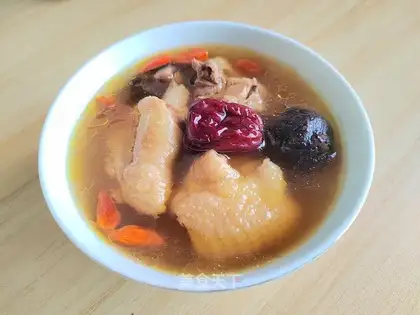
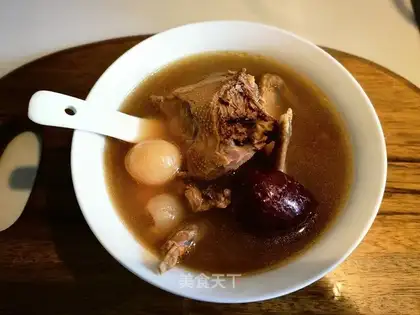
Red dates are a nutritional and medicinal marvel, offering a unique blend of vitamins, minerals, antioxidants, and bioactive compounds that support immunity, heart health, liver function, and more. Their versatility—eaten fresh, dried, or as an ingredient in teas, soups, and desserts—makes them an accessible addition to a balanced diet. However, moderation is key: individuals with diabetes, digestive issues, or those taking medications should consult a healthcare provider before incorporating red dates into their routine.
From ancient Chinese apothecaries to modern superfood trends, the red date has stood the test of time as a symbol of vitality and wellness. By understanding its benefits and precautions, we can harness its power to nurture health and enhance quality of life—one sweet, nutritious bite at a time.