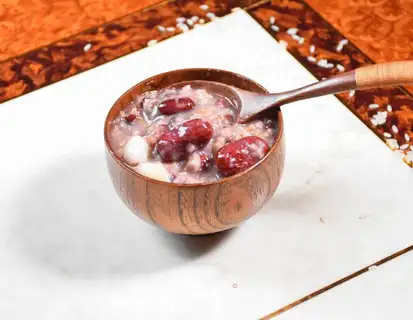
In the world of superfoods, few ingredients boast the rich history, versatility, and nutritional profile of the grey jujube (Ziziphus jujuba var. spinosa), often referred to as "Chinese date" or "red date" in Western contexts. Revered in Traditional Chinese Medicine (TCM) for over 3,000 years and celebrated in modern nutrition science, this humble fruit has earned its place as a staple in both culinary and wellness practices. With its distinctively wrinkled, ash-gray skin, sweet flesh, and chewy texture, the grey jujube is more than a tasty snack—it is a nutritional powerhouse packed with vitamins, minerals, antioxidants, and bioactive compounds. This article explores the nutritional value of grey jujubes, their scientifically supported health benefits, and important precautions to consider for safe consumption.
I. Nutritional Value of Grey Jujubes
Grey jujubes are a nutritional treasure trove, offering a balanced blend of macronutrients, fiber, vitamins, and minerals that support overall health. A 100-gram serving of dried grey jujubes (a common form for consumption) contains approximately:
1. Carbohydrates and Energy
Dried jujubes are primarily composed of carbohydrates (around 70-80% of their dry weight), making them a concentrated source of energy. The carbohydrates are mainly in the form of natural sugars—glucose, fructose, and sucrose—which provide a quick energy boost. Unlike refined sugars, however, jujubes also contain fiber, which slows sugar absorption, preventing rapid spikes in blood sugar levels.
2. Dietary Fiber
Jujubes are rich in dietary fiber, with about 10-15 grams per 100 grams of dried fruit. This includes both soluble and insoluble fiber. Soluble fiber, such as pectin, forms a gel-like substance in the digestive tract, which aids in regulating blood sugar and lowering cholesterol. Insoluble fiber adds bulk to stool, promoting regular bowel movements and preventing constipation.
3. Vitamins
- Vitamin C: Jujubes are one of the richest natural sources of vitamin C, with 100 grams of dried fruit providing up to 500 mg—more than five times the daily recommended intake for adults. Vitamin C is a potent antioxidant that boosts immune function, supports collagen synthesis for skin health, and enhances iron absorption.
- B Vitamins: They contain moderate amounts of B vitamins, including B6 (pyridoxine), which plays a role in metabolism and brain function, and niacin (B3), which supports energy production and nervous system health.
- Vitamin A: Jujubes provide beta-carotene, a precursor to vitamin A, essential for vision, immune health, and cell growth.
4. Minerals
- Potassium: With around 600 mg per 100 grams, jujubes are an excellent source of potassium, a mineral critical for regulating blood pressure, fluid balance, and muscle contractions.
- Calcium and Phosphorus: These minerals are vital for bone health, and jujubes contribute small but significant amounts to daily intake.
- Iron: Jujubes contain iron, which is important for oxygen transport in the blood. When combined with their high vitamin C content, the absorption of non-heme iron (plant-based iron) is enhanced, making jujubes particularly beneficial for individuals with iron-deficiency anemia.
5. Antioxidants and Bioactive Compounds
Jujubes are loaded with antioxidants, including flavonoids (such as rutin and quercetin), polyphenols, and triterpenic acids. These compounds neutralize harmful free radicals, reducing oxidative stress and inflammation in the body. Notably, jujubes contain saponins and polysaccharides, which have been studied for their immune-modulating and anti-cancer properties.
II. Health Benefits of Grey Jujubes
The nutritional composition of grey jujubes translates to a wide range of health benefits, supported by both traditional use and modern scientific research.
1. Boosts Immune Function
Thanks to their exceptional vitamin C content, jujubes strengthen the immune system by enhancing the production of white blood cells and antibodies. Studies have shown that jujube polysaccharides activate macrophages (immune cells that engulf pathogens) and increase the activity of natural killer (NK) cells, improving the body’s defense against infections like the common cold, flu, and even chronic diseases.
2. Supports Digestive Health
The high fiber content in jujubes promotes a healthy digestive system. Soluble fiber feeds beneficial gut bacteria, acting as a prebiotic to support a balanced microbiome. Insoluble fiber adds bulk to stool, reducing the risk of constipation and hemorrhoids. For individuals with digestive sensitivities, jujubes are often recommended as a gentle, natural remedy for soothing gut inflammation.
3. Regulates Blood Sugar Levels
Despite their natural sweetness, jujubes have a low glycemic index (GI) due to their high fiber content. Fiber slows the digestion and absorption of sugars, preventing sharp increases in blood glucose. Research indicates that jujube extracts may improve insulin sensitivity, making them a suitable fruit for people with type 2 diabetes or those at risk of developing the condition. However, portion control is key, as dried jujubes are calorie-dense.
4. Enhances Sleep Quality and Reduces Stress
In TCM, jujubes are classified as a "calming" food, used to treat insomnia, anxiety, and restlessness. Modern research supports this use: jujube contains compounds like saponins and flavonoids that have sedative effects on the central nervous system. Studies on animals and humans have found that jujube extracts increase the duration of deep sleep and reduce the time taken to fall asleep. Additionally, jujubes help regulate cortisol (the stress hormone) levels, promoting relaxation and mental well-being.
5. Promotes Skin Health and Anti-Aging
The combination of vitamin C, vitamin A, and antioxidants in jujubes makes them a potent ally for skin health. Vitamin C stimulates collagen production, which keeps skin firm and elastic, while vitamin A repairs skin cells and reduces the appearance of wrinkles. Antioxidants like flavonoids protect the skin from UV damage and pollution, slowing down the aging process. Jujube extracts are also used in skincare products for their anti-inflammatory and brightening properties.
6. Protects Heart Health
Jujubes contribute to cardiovascular health in multiple ways. Potassium helps lower blood pressure by balancing sodium levels, while fiber reduces LDL ("bad") cholesterol and increases HDL ("good") cholesterol. The flavonoids in jujubes, particularly rutin, strengthen blood vessels and improve circulation, reducing the risk of atherosclerosis and heart disease.
7. Anti-Inflammatory and Anti-Cancer Properties
Chronic inflammation is a root cause of many diseases, including cancer, diabetes, and arthritis. Jujube’s high antioxidant content neutralizes free radicals and reduces inflammatory markers in the body. Studies have shown that jujube extracts inhibit the growth of cancer cells, particularly in cases of liver, breast, and colon cancer, by inducing apoptosis (programmed cell death) and blocking tumor angiogenesis (the formation of new blood vessels that feed tumors).
III. Precautions and Potential Side Effects
While grey jujubes offer numerous health benefits, they should be consumed in moderation, especially by certain individuals. Here are key precautions to consider:
1. High Sugar Content
Dried jujubes are concentrated in natural sugars, with about 60-70 grams of sugar per 100 grams. People with diabetes, insulin resistance, or those following a low-sugar diet should limit their intake to avoid blood sugar spikes. Fresh jujubes, which contain more water and less sugar, are a better option for such individuals.
2. Digestive Discomfort
The high fiber content in jujubes can cause bloating, gas, or diarrhea if consumed in large amounts, especially for those with sensitive digestive systems. It is advisable to start with small portions (e.g., 2-3 dried jujubes per day) and gradually increase intake.
3. Allergic Reactions
Although rare, some individuals may be allergic to jujubes, experiencing symptoms such as itching, hives, or swelling. Those with known allergies to other fruits in the Rhamnaceae family (e.g., buckthorn) should exercise caution.
4. Interaction with Medications
Jujubes may interact with certain medications, particularly blood thinners (e.g., warfarin) and diabetes drugs. The vitamin K in jujubes can affect the efficacy of blood thinners, while their ability to lower blood sugar may enhance the effects of diabetes medications. Individuals taking these drugs should consult a healthcare provider before adding jujubes to their diet.
5. Not for Everyone
Pregnant and breastfeeding women should consume jujubes in moderation, as excessive intake may cause digestive issues. Additionally, people with severe kidney disease should limit their potassium intake, as jujubes are high in this mineral.
IV. How to Incorporate Grey Jujubes into Your Diet
Grey jujubes are versatile and can be enjoyed in various forms:
- Fresh or Dried: Fresh jujubes are crisp and sweet, similar to apples, while dried jujubes are chewy and intensely sweet.
- Teas and Decoctions: Jujube tea, made by simmering dried jujubes in water, is a popular remedy for relaxation and digestion.
- Soups and Stews: In TCM, jujubes are often added to soups (e.g., chicken or herbal soups) to enhance flavor and nutritional value.
- Snacks and Desserts: Dried jujubes can be eaten as a snack, added to oatmeal, yogurt, or trail mix, or used in baking (e.g., cookies, bread).
- Supplements: Jujube extracts, powders, and capsules are available for those seeking concentrated health benefits.
Conclusion
The grey jujube is a nutritional and medicinal marvel, offering a unique combination of vitamins, minerals, fiber, and antioxidants that support immune function, digestive health, heart health, and more. Its long history of use in TCM, coupled with growing scientific evidence, underscores its value as a superfood. However, like any food, moderation is key—especially for individuals with diabetes, digestive sensitivities, or those on specific medications. By incorporating grey jujubes into a balanced diet, one can harness their health benefits while minimizing potential risks. Whether enjoyed as a snack, tea, or culinary ingredient, the grey jujube remains a timeless testament to the power of nature to nourish and heal.