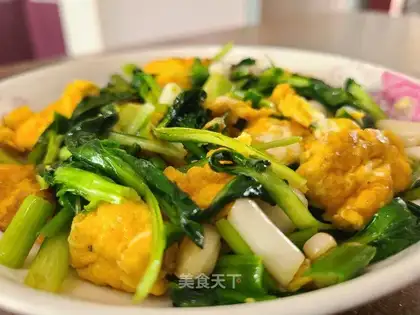
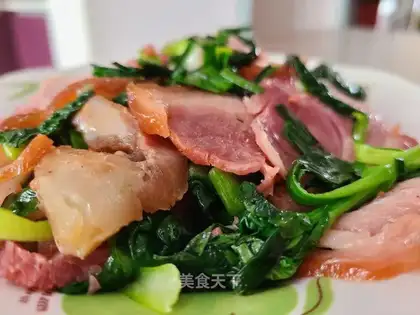
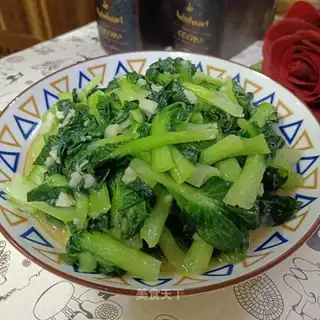
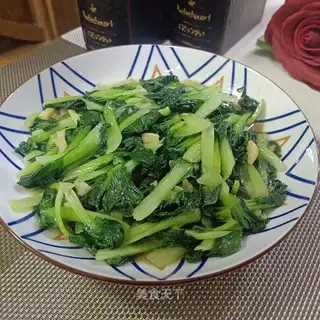
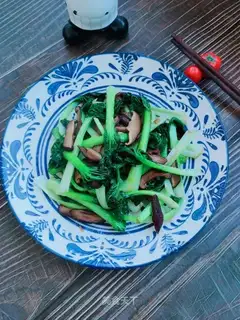
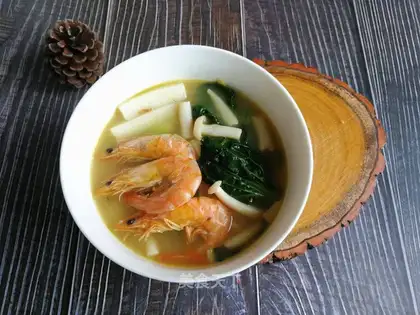
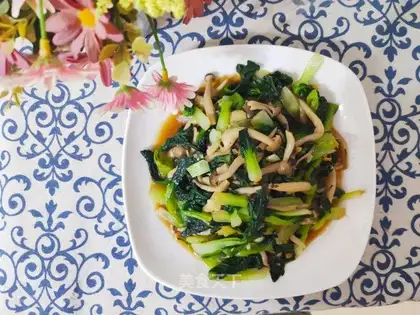
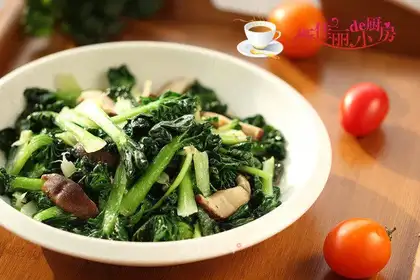
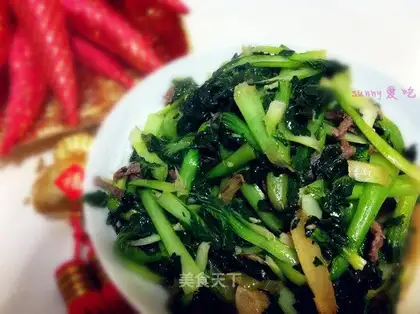
Nestled in the heart of Chinese cuisine, Wutacai (乌塌菜), also known as black cabbage or flat cabbage, is a leafy green vegetable that has been cherished for centuries for its delicate flavor, tender texture, and remarkable nutritional profile. Often referred to as the "beauty vegetable" for its role in promoting healthy skin, Wutacai is a staple in winter and early spring, particularly in regions like Jiangsu and Zhejiang. This article explores the nutritional value, health benefits, and potential precautions associated with Wutacai, shedding light on why this humble green deserves a place in a balanced diet.
Nutritional Value of Wutacai
Wutacai belongs to the Brassica family, alongside kale, broccoli, and cabbage, and shares many of their nutritional advantages. What sets Wutacai apart is its exceptional concentration of vitamins, minerals, antioxidants, and dietary fiber, making it a nutrient-dense addition to any meal.
1. Rich in Vitamins
Wutacai is a powerhouse of vitamins, particularly fat-soluble vitamins A, E, and K, as well as water-soluble vitamin C.
- Vitamin A (as beta-carotene): Wutacai is one of the richest plant-based sources of beta-carotene, which the body converts into vitamin A. This nutrient is essential for maintaining healthy vision, supporting immune function, and promoting skin cell regeneration. A 100-gram serving of Wutacai provides approximately 300–400 micrograms of beta-carotene, meeting over 30% of the daily recommended intake.
- Vitamin C: As a potent antioxidant, vitamin C in Wutacai (around 30–40 mg per 100 grams) helps combat free radicals, boosts collagen production for skin elasticity, and enhances iron absorption from plant-based foods.
- Vitamin K: Critical for blood clotting and bone health, vitamin K is abundant in Wutacai (around 500–600 micrograms per 100 grams). Just one serving can cover 400–500% of the daily requirement, making it particularly beneficial for individuals at risk of osteoporosis or bleeding disorders.
- Vitamin E: This antioxidant protects cell membranes from oxidative damage and supports immune health. Wutacai contains moderate levels of vitamin E, often accompanied by other phytonutrients that enhance its bioavailability.
2. Essential Minerals
Wutacai is packed with minerals vital for bodily functions:
- Calcium: With approximately 150–200 mg of calcium per 100 grams, Wutacai is a valuable source for vegetarians and vegans, rivaling dairy products in calcium content per calorie. It plays a key role in bone and teeth health.
- Iron: Wutacai provides around 2–3 mg of iron per 100 grams, which is crucial for hemoglobin production and preventing anemia. The presence of vitamin C in the vegetable enhances iron absorption, mitigating the risk of deficiency.
- Potassium: This mineral helps regulate blood pressure, fluid balance, and muscle contractions. Wutacai contains about 300–400 mg of potassium per 100 grams, contributing to cardiovascular health.
- Magnesium: Involved in over 300 enzymatic reactions, magnesium supports nerve function, muscle relaxation, and blood sugar control. Wutacai offers a modest but significant amount (30–40 mg per 100 grams).
3. Antioxidants and Phytochemicals
Wutacai is rich in antioxidants, including flavonoids, glucosinolates, and carotenoids, which contribute to its health-protective properties.
- Glucosinolates: These sulfur-containing compounds, unique to cruciferous vegetables, break down into bioactive molecules like sulforaphane when chewed or cooked. Sulforaphane has been studied for its anti-inflammatory, anticancer, and detoxifying effects.
- Flavonoids: Quercetin and kaempferol, two prominent flavonoids in Wutacai, help reduce oxidative stress, lower inflammation, and protect against chronic diseases.
- Anthocyanins: The dark green to purplish hue of Wutacai indicates the presence of anthocyanins, antioxidants that support brain health and may reduce the risk of age-related cognitive decline.
4. Dietary Fiber
Wutacai is an excellent source of dietary fiber, providing about 2–3 grams per 100 grams. Fiber promotes digestive health by preventing constipation, feeding beneficial gut bacteria, and regulating blood sugar levels. It also aids in weight management by promoting satiety.
Health Benefits of Wutacai
The impressive nutritional profile of Wutacai translates into a range of health benefits, from supporting immune function to reducing the risk of chronic diseases.
1. Boosts Immune System
The combination of vitamin C, vitamin A, and antioxidants in Wutacai strengthens the immune system. Vitamin C stimulates the production of white blood cells, while vitamin A maintains the integrity of mucosal barriers (e.g., in the respiratory and digestive tracts), preventing pathogen invasion. Studies suggest that regular consumption of cruciferous vegetables like Wutacai can enhance immune responses and reduce the severity of infections.
2. Supports Bone Health
Wutacai’s high vitamin K and calcium content makes it a standout food for bone health. Vitamin K activates osteocalcin, a protein that binds calcium to bones, while calcium provides the structural material for bone tissue. Together, they help prevent bone loss and reduce the risk of osteoporosis, especially in postmenopausal women and the elderly.
3. Promotes Skin Health
Dubbed the "beauty vegetable," Wutacai is renowned for its skin-enhancing properties. Vitamin C and E combat free radicals that cause premature aging, while beta-carotene supports skin repair and moisture retention. Additionally, the vegetable’s sulfur compounds aid in detoxification, reducing acne and other skin issues caused by toxin buildup.
4. Aids Weight Management
Low in calories (around 20–30 kcal per 100 grams) but high in fiber and water, Wutacai is ideal for weight loss diets. Fiber slows digestion, keeping you full longer, while its nutrient density ensures the body receives essential vitamins and minerals without excess calories. Incorporating Wutacai into meals can help reduce overall calorie intake and prevent overeating.
5. Reduces Chronic Disease Risk
The antioxidants and phytochemicals in Wutacai play a crucial role in preventing chronic diseases:
- Heart Disease: Potassium and fiber help lower blood pressure and cholesterol levels, while flavonoids reduce inflammation in blood vessels.
- Cancer: Sulforaphane, derived from glucosinolates, has been shown to inhibit the growth of cancer cells, particularly in the colon, breast, and prostate. It activates detoxification enzymes and neutralizes carcinogens.
- Diabetes: Fiber and low glycemic index help regulate blood sugar levels, making Wutacai a suitable food for individuals with type 2 diabetes.
6. Enhances Digestive Health
The fiber in Wutacai promotes regular bowel movements and prevents constipation. Additionally, glucosinolates support gut health by balancing gut microbiota and reducing inflammation in the digestive tract. This may lower the risk of conditions like irritable bowel syndrome (IBS) and colon cancer.
Precautions and Potential Side Effects
While Wutacai is highly nutritious, certain precautions should be taken to maximize its benefits and avoid adverse effects.
1. Goitrogen Content
Like other cruciferous vegetables, Wutacai contains goitrogens—compounds that can interfere with thyroid function by inhibiting iodine uptake. Individuals with thyroid disorders, especially hypothyroidism, should consume Wutacai in moderation. Cooking methods like steaming, boiling, or stir-frying can reduce goitrogen levels by 30–50%. Raw Wutacai should be limited, particularly for those with existing thyroid conditions.
2. Oxalates
Wutacai contains oxalates, compounds that can contribute to kidney stone formation in susceptible individuals. People with a history of calcium oxalate kidney stones should avoid excessive consumption and ensure adequate hydration. Cooking Wutacai can also reduce oxalate levels.
3. Blood Thinners
Wutacai’s high vitamin K content can interact with blood-thinning medications like warfarin, which work by inhibiting vitamin K-dependent clotting factors. Individuals taking such medications should maintain consistent vitamin K intake and consult their doctor before significantly increasing Wutacai consumption.
4. Pesticide Residues
As a leafy green, Wutacai may be exposed to pesticides. To minimize risk, choose organic varieties when possible, or wash thoroughly under running water and soak in a solution of water and vinegar for 10–15 minutes before consumption.
5. Allergic Reactions
Though rare, some individuals may be allergic to cruciferous vegetables like Wutacai. Symptoms include itching, swelling, or digestive discomfort. Those with known allergies should avoid Wutacai or consult a healthcare provider before trying it.
Culinary Uses and Preparation Tips
Wutacai’s mild, slightly sweet flavor and tender texture make it versatile in cooking. Here are some popular ways to enjoy it:
- Stir-frying: Wutacai is often stir-fried with garlic, ginger, or mushrooms for a quick and nutritious side dish.
- Soups and Stews: Its delicate flavor makes it ideal for adding to soups, where it softens without losing nutrients.
- Steaming: Steaming preserves most of Wutacai’s nutrients and enhances its natural sweetness.
- Salads: Young Wutacai leaves can be used raw in salads, though mature leaves are better cooked.
- Pickling: In some regions, Wutacai is pickled to extend its shelf life and add a tangy flavor.
To maximize nutrient retention, avoid overcooking. Light steaming or stir-frying for 2–3 minutes is optimal. Pairing Wutacai with healthy fats (e.g., olive oil or avocado) enhances the absorption of fat-soluble vitamins.
Conclusion
Wutacai is a nutritional powerhouse that offers a wealth of health benefits, from boosting immunity and supporting bone health to reducing the risk of chronic diseases. Its rich content of vitamins, minerals, antioxidants, and fiber makes it a valuable addition to a balanced diet. However, individuals with thyroid issues, kidney stones, or those on blood thinners should consume it with caution and proper preparation. By incorporating Wutacai into meals mindfully, one can harness its potential to enhance overall health and well-being, proving that this humble leafy green is truly a superfood in its own right.