Artemisia selengensis, commonly known as sliver wormwood, water dropwort, or simply "luhao" in Chinese, is a perennial herb belonging to the Asteraceae family. With its delicate, feathery leaves and distinctive aromatic flavor, this vegetable has been a staple in East Asian cuisine for centuries, particularly in regions along the Yangtze River in China. Beyond its culinary appeal, lu hao is celebrated for its exceptional nutritional profile and array of health benefits. However, like many natural foods, it also comes with certain precautions that must be considered to ensure safe consumption. This article explores the nutritional value, health benefits, and potential risks associated with artemisia selengensis, offering a comprehensive guide for incorporating this versatile ingredient into a balanced diet.
Nutritional Value: A Treasure Trove of Essential Nutrients
Artemisia selengensis is a low-calorie yet nutrient-dense vegetable, making it an excellent addition to health-conscious diets. A 100-gram serving of fresh lu hao contains approximately 32 calories, 2.5 grams of protein, 0.6 grams of fat, and 7.6 grams of carbohydrates, including 3.9 grams of dietary fiber—nearly 16% of the daily recommended intake for adults. Its high fiber content promotes digestive health, while its low glycemic index (GI) makes it suitable for individuals managing blood sugar levels.
The vegetable is a rich source of vitamins, particularly fat-soluble vitamins A and E, as well as water-soluble vitamins such as vitamin C, folate (B9), and riboflavin (B2). Vitamin A, present in the form of beta-carotene, is crucial for vision, immune function, and cell growth. A 100-gram serving of lu hao provides over 100% of the daily recommended intake of vitamin A, making it one of the top plant-based sources of this nutrient. Vitamin C, a powerful antioxidant, supports collagen synthesis, skin health, and immune defense, with lu hao containing around 20 milligrams per 100 grams—roughly 25% of the daily requirement.
Mineral content is another highlight of artemisia selengensis. It is packed with essential minerals, including potassium (570 mg per 100 grams), calcium (190 mg), iron (7.5 mg), and magnesium (50 mg). Potassium helps regulate blood pressure and fluid balance, while calcium and magnesium are vital for bone health and muscle function. The iron content in lu hao is particularly noteworthy, as it contributes to hemoglobin production and helps prevent iron-deficiency anemia, especially in vegetarians and women of childbearing age.
Additionally, lu hao contains a variety of bioactive compounds, including flavonoids, phenolic acids, and terpenoids. These compounds possess potent antioxidant and anti-inflammatory properties, which play a key role in protecting the body from oxidative stress and chronic diseases. For instance, the flavonoid quercetin, found in lu hao, has been shown to reduce inflammation and support cardiovascular health.
Health Benefits: From Traditional Medicine to Modern Wellness
The consumption of artemisia selengensis is linked to numerous health benefits, many of which have been recognized in traditional Chinese medicine (TCM) and supported by modern scientific research.
1. Antioxidant and Anti-Inflammatory Properties
The high concentration of antioxidants in lu hao helps neutralize free radicals—unstable molecules that can damage cells and contribute to aging and diseases such as cancer and heart disease. Studies have shown that the phenolic compounds in lu hao exhibit significant free radical scavenging activity, effectively reducing oxidative stress in the body. Its anti-inflammatory properties are equally valuable, as chronic inflammation is a known risk factor for conditions like arthritis, diabetes, and neurodegenerative diseases. For example, the compound artemisinin, derived from Artemisia species, has demonstrated anti-inflammatory effects in preclinical studies, though further research is needed to confirm its specific role in lu hao.
2. Digestive Health
Lu hao’s high fiber content makes it a natural remedy for digestive issues. Fiber adds bulk to stool, promoting regular bowel movements and preventing constipation. It also acts as a prebiotic, feeding beneficial gut bacteria and supporting a healthy gut microbiome. A balanced microbiome is essential for nutrient absorption, immune function, and even mental health, as the gut-brain axis influences mood and cognition. Additionally, lu hao contains essential oils that stimulate the secretion of digestive enzymes, enhancing overall digestion and reducing bloating.
3. Immune System Support
The combination of vitamins A, C, and antioxidants in lu hao makes it a powerful immune booster. Vitamin A strengthens the mucosal barriers in the respiratory and digestive tracts, preventing pathogens from entering the body. Vitamin C stimulates the production of white blood cells, which are critical for fighting infections. Research has shown that regular consumption of vitamin C-rich foods like lu hao can reduce the duration and severity of colds and flu, making it a valuable addition to winter diets.
4. Cardiovascular Health
Lu hao’s potassium and fiber content contribute to heart health by regulating blood pressure and cholesterol levels. Potassium counteracts the effects of sodium, which can raise blood pressure and strain the cardiovascular system. Fiber, particularly soluble fiber, binds to cholesterol in the digestive system and removes it from the body, reducing LDL ("bad") cholesterol levels. Studies have linked high-fiber diets to a lower risk of heart disease, stroke, and hypertension, making lu hao a heart-protective food.
5. Detoxification and Liver Health
In TCM, lu hao is valued for its ability to "detoxify" the body, particularly the liver. Modern research suggests that its bioactive compounds support liver function by enhancing the activity of detoxification enzymes. The liver is responsible for metabolizing toxins, and compounds like flavonoids in lu hao can protect liver cells from damage caused by free radicals and environmental pollutants. While more human studies are needed, preliminary evidence indicates that lu hao may play a role in preventing liver diseases such as fatty liver and hepatitis.
6. Weight Management
Due to its low calorie and high fiber content, lu hao is an ideal food for weight management. Fiber promotes satiety, reducing hunger and preventing overeating. Additionally, its high water content (over 90%) adds volume to meals without adding calories, making it a filling yet light option. Incorporating lu hao into a balanced diet can help individuals achieve and maintain a healthy weight, reducing the risk of obesity-related conditions like type 2 diabetes and metabolic syndrome.
Consumption Methods and Culinary Uses
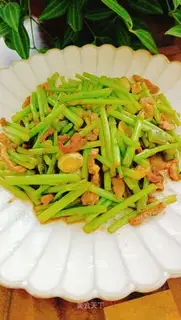
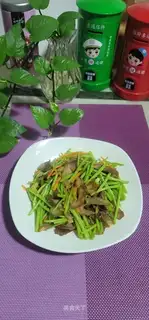
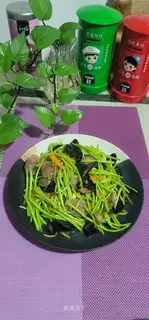
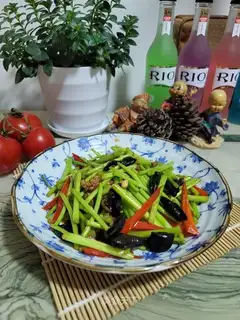
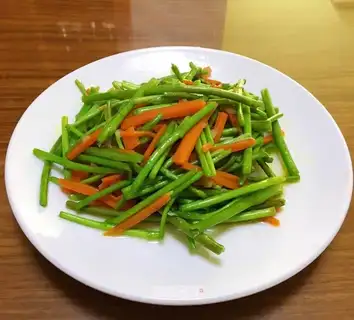
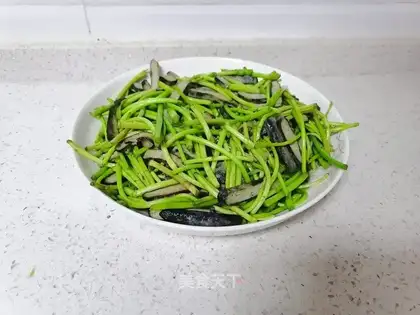
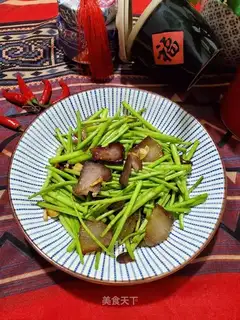
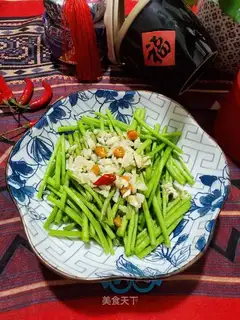
Artemisia selengensis is prized for its unique flavor, which is often described as a blend of celery, fennel, and mint. Its tender leaves and stems are commonly used in stir-fries, soups, salads, and cold dishes. In Chinese cuisine, a popular preparation is luhao bacon stir-fry, where the vegetable is sautéed with cured pork, garlic, and soy sauce, creating a savory and aromatic dish. Lu hao is also used in soups, such as egg drop soup with lu hao, which enhances both the flavor and nutritional value of the dish.
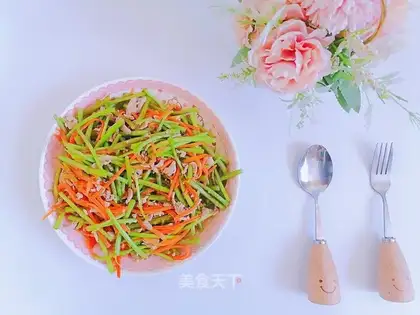
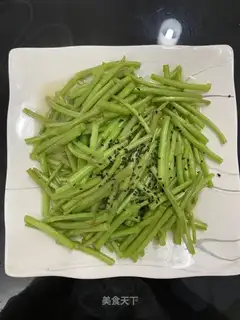
For those seeking a lighter option, lu hao can be blanched and served as a salad dressed with sesame oil, soy sauce, and vinegar. Its delicate texture makes it suitable for quick-cooking methods to preserve its nutrients. Additionally, lu hao can be juiced or blended into smoothies for a nutrient boost, though its strong flavor may be combined with milder ingredients like apple or cucumber to improve palatability.
Potential Risks and Precautions
While artemisia selengensis offers numerous health benefits, it is important to consume it in moderation and be aware of potential risks, particularly for certain populations.
1. Presence of Pyrrolizidine Alkaloids (PAs)
Like other plants in the Asteraceae family, lu hao may contain trace amounts of pyrrolizidine alkaloids (PAs), natural compounds that can be toxic to the liver in high doses. PAs are known to cause liver damage and have been linked to an increased risk of cancer when consumed over long periods. However, the PA content in commercially grown lu hao is generally low, and proper cooking methods (such as boiling or stir-frying) can reduce PA levels. To minimize risk, it is advisable to consume lu hao in moderation and avoid eating it daily in large quantities.
2. Pregnancy and Breastfeeding
Pregnant and breastfeeding women should exercise caution when consuming lu hao due to its potential uterine-stimulating effects. While limited research exists on its safety during pregnancy, traditional medicine practitioners often recommend avoiding it to prevent complications. As a precaution, pregnant women should consult their healthcare provider before including lu hao in their diet.
3. Allergic Reactions
Although rare, some individuals may be allergic to artemisia selengensis, especially those with allergies to other plants in the Asteraceae family, such as ragweed or chrysanthemums. Symptoms of an allergic reaction may include itching, swelling, hives, or difficulty breathing. If you experience these symptoms after consuming lu hao, discontinue use and seek medical attention immediately.
4. Interaction with Medications
Lu hao’s high vitamin K content may interact with blood-thinning medications such as warfarin. Vitamin K plays a key role in blood clotting, and sudden changes in its intake can affect the efficacy of these drugs. Individuals taking blood thinners should maintain a consistent vitamin K intake and consult their doctor before adding lu hao to their diet.
Conclusion
Artemisia selengensis is a nutritional powerhouse that offers a wide range of health benefits, from antioxidant and anti-inflammatory effects to digestive and immune support. Its versatility in culinary applications makes it a popular choice for those seeking to enhance both the flavor and nutritional value of their meals. However, like many natural foods, it should be consumed in moderation to avoid potential risks, particularly for pregnant women, individuals with allergies, or those taking certain medications.
By incorporating lu hao into a balanced diet and being mindful of portion sizes, individuals can harness its health-promoting properties while minimizing adverse effects. Whether stir-fried, steamed, or blended into a smoothie, this humble vegetable is a testament to the idea that nature’s simplest ingredients often hold the greatest potential for wellness. As research continues to uncover its benefits, artemisia selengensis is poised to remain a cherished staple in both traditional and modern diets.