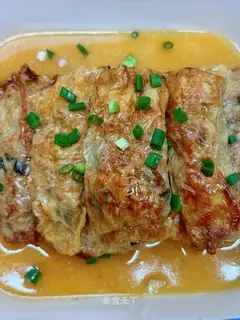
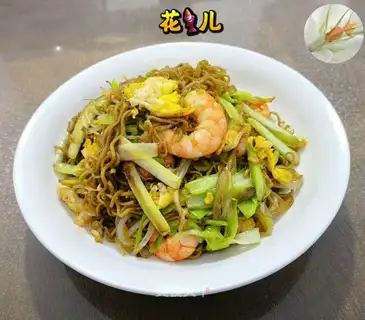
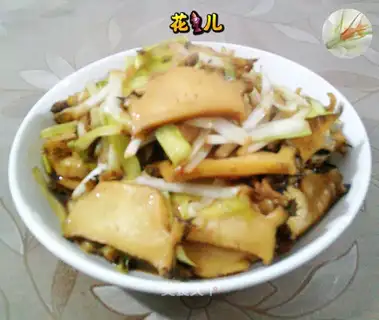
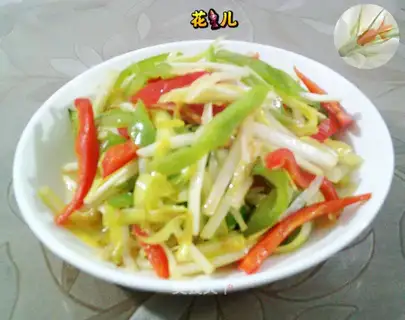
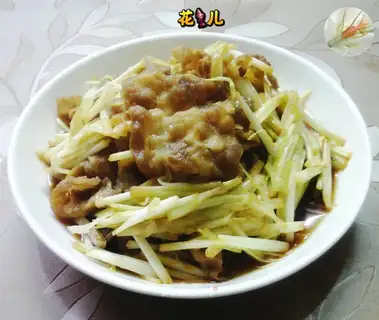
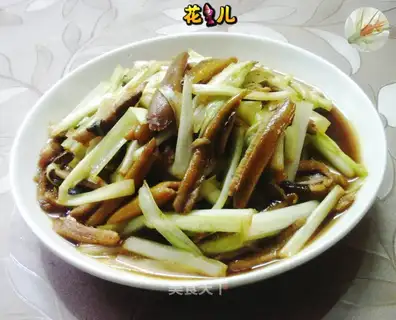
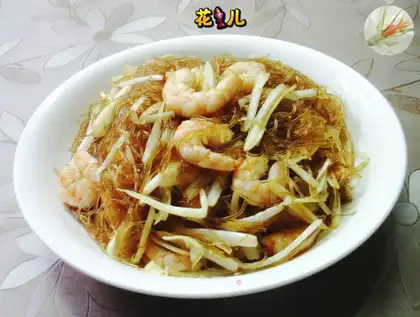
In the vast tapestry of culinary ingredients, few elements possess the delicate allure and nutritional potency of chives yellow (韭黄). Revered in East Asian cuisine for its subtle sweetness, tender texture, and vibrant golden hue, this vegetable is more than just a garnish—it is a nutritional powerhouse and a cornerstone of traditional wellness practices. Grown in the dark, etiolated conditions that prevent chlorophyll production, chives yellow emerges as a milder, more refined cousin to its green counterpart, chive (韭菜). Yet beneath its pale exterior lies a rich profile of vitamins, minerals, bioactive compounds, and centuries-old wisdom. This article delves into the nutritional value of chives yellow, its diverse health benefits, and important precautions to maximize its potential while minimizing risks.
I. Nutritional Value: A Concentrated Source of Essential Nutrients
Chives yellow may lack the chlorophyll that gives other vegetables their green color, but it compensates with a dense concentration of nutrients vital for human health. Its nutritional profile is a harmonious blend of macronutrients, micronutrients, and phytochemicals, making it a valuable addition to a balanced diet.
1. Vitamins: A Treasure Trove of Antioxidants and Metabolic Regulators
Vitamins are the backbone of chives yellow’s nutritional appeal. It is particularly rich in vitamin A, in the form of beta-carotene, which is converted into retinol in the body. This nutrient is critical for maintaining vision, supporting immune function, and promoting cell growth. A 100-gram serving of chives yellow provides approximately 1,500 IU of vitamin A, meeting over 30% of the daily recommended intake for adults.
Equally notable is its vitamin C content—around 30 mg per 100 grams. As a potent antioxidant, vitamin scavenges free radicals, reduces oxidative stress, and enhances collagen synthesis, thereby supporting skin health, wound healing, and immune defense. Vitamin C also aids in the absorption of non-heme iron from plant-based foods, making chives yellow a valuable companion to iron-rich dishes like legumes or leafy greens.
B vitamins, including folate (B9) and niacin (B3), are present in moderate amounts. Folate is essential for DNA synthesis, cell division, and fetal development, making it particularly important during pregnancy. Niacin, on the other hand, plays a key role in energy metabolism, supporting the conversion of food into usable energy.
2. Minerals: Building Blocks for Bone and Blood Health
Chives yellow is a good source of essential minerals that often go underappreciated in daily diets. Potassium, at approximately 300 mg per 100 grams, helps regulate blood pressure by balancing sodium levels and supporting vascular function. This mineral also aids in nerve transmission and muscle contraction, making it vital for overall cardiovascular health.
Iron, at about 1.5 mg per 100 grams, is another standout mineral. Though not as concentrated as in red meat, the iron in chives yellow is complemented by vitamin C, enhancing its bioavailability. Iron is essential for hemoglobin production, which carries oxygen from the lungs to tissues—preventing anemia and maintaining energy levels.
Calcium and magnesium, present in smaller but significant amounts, contribute to bone density and muscle function. Calcium supports teeth and bone structure, while magnesium aids in over 300 enzymatic reactions, including those involved in blood sugar regulation and blood pressure control.
3. Dietary Fiber and Bioactive Compounds: Gut Health and Beyond
Chives yellow is a good source of dietary fiber, providing about 2.5 grams per 100 grams. Fiber promotes digestive health by adding bulk to stool, preventing constipation, and nourishing beneficial gut bacteria. It also slows carbohydrate absorption, helping to stabilize blood sugar levels and reduce the risk of type 2 diabetes.
Perhaps most intriguing are its bioactive compounds, including allicin, flavonoids, and saponins. Allicin, a sulfur-containing compound, is released when chives yellow is chopped or crushed. It exhibits antimicrobial, anti-inflammatory, and antioxidant properties, making it effective against pathogens and chronic inflammation. Flavonoids, such as quercetin and kaempferol, further enhance its antioxidant capacity, protecting cells from oxidative damage. Saponins, on the other hand, have been studied for their cholesterol-lowering effects and potential role in cancer prevention.
II. Health Benefits: From Traditional Wisdom to Modern Science
The consumption of chives yellow is deeply rooted in traditional Chinese medicine (TCM), where it is valued for its ability to “warm the body,” “boost digestion,” and “nourish the liver.” Modern research has increasingly validated these traditional claims, uncovering evidence for its role in preventing and managing a range of health conditions.
1. Digestive Health: Soothing the Gut and Enhancing Absorption
In TCM, chives yellow is considered a “warming” food that stimulates digestive fire (脾阳), making it particularly beneficial for individuals with “cold” constitutions—characterized by bloating, poor appetite, or loose stools. Its fiber content promotes regularity, while allicin inhibits the growth of harmful gut bacteria like E. coli and Salmonella, reducing the risk of gastrointestinal infections.
Studies suggest that the fiber in chives yellow also acts as a prebiotic, feeding beneficial bacteria such as Lactobacillus and Bifidobacterium. These bacteria produce short-chain fatty acids (SCFAs), which reduce gut inflammation, strengthen the intestinal barrier, and may even lower the risk of colorectal cancer.
2. Immune Support: Fortifying the Body’s Defenses
The combination of vitamin A, vitamin C, and allicin makes chives yellow a powerful immune booster. Vitamin A maintains the integrity of mucosal surfaces—such as the respiratory and digestive tracts—acting as the first line of defense against pathogens. Vitamin C enhances the production and function of white blood cells, while allicin’s antimicrobial properties help neutralize viruses and bacteria.
Research published in the Journal of Agricultural and Food Chemistry found that sulfur compounds in chives yellow, including allicin, modulate immune cell activity, increasing the phagocytic capacity of macrophages (cells that engulf pathogens) and promoting the production of cytokines—proteins that regulate immune responses. This makes chives yellow particularly valuable during cold and flu season or for individuals with weakened immune systems.
3. Cardiovascular Health: Protecting the Heart and Blood Vessels
Heart disease remains a leading global cause of death, but dietary choices like chives yellow can play a preventive role. Its high potassium content helps counteract the effects of sodium, reducing blood pressure and lowering the risk of hypertension. A study in the American Journal of Clinical Nutrition found that individuals who consume potassium-rich diets have a 20% lower risk of stroke compared to those with low potassium intake.
Additionally, allicin and flavonoids in chives yellow inhibit LDL (“bad”) cholesterol oxidation, a key step in the development of atherosclerosis (hardening of the arteries). Saponins, meanwhile, bind to cholesterol in the digestive tract, reducing its absorption and promoting its excretion. Together, these compounds help maintain healthy lipid levels and improve overall cardiovascular function.
4. Anti-Inflammatory and Anticancer Potential
Chronic inflammation is a root cause of many diseases, including arthritis, diabetes, and cancer. Chives yellow’s anti-inflammatory properties, attributed to allicin, flavonoids, and vitamin C, help suppress pro-inflammatory cytokines such as TNF-α and IL-6. This makes it beneficial for individuals with inflammatory conditions like rheumatoid arthritis or inflammatory bowel disease (IBD).
Regarding cancer, laboratory studies have shown that allicin induces apoptosis (programmed cell death) in cancer cells, particularly those of the stomach, colon, and liver. Flavonoids like quercetin, meanwhile, inhibit tumor growth by blocking angiogenesis (the formation of new blood vessels that feed tumors). While human trials are needed, these findings suggest that regular consumption of chives yellow may contribute to cancer prevention as part of a plant-rich diet.
5. Bone Health and Skin Radiance
The calcium and magnesium in chives yellow, though not as abundant as in dairy products, still contribute to bone health by supporting bone mineral density. Vitamin A, too, plays a role in bone remodeling, as it is essential for osteoblast (bone-forming cell) activity.
For skin, the combination of vitamin C and antioxidants helps neutralize free radicals caused by UV exposure and pollution, reducing the appearance of wrinkles and hyperpigmentation. Vitamin C also boosts collagen production, keeping skin firm and elastic. Additionally, the sulfur in chives yellow supports detoxification, promoting clearer skin by reducing the buildup of toxins.
III. Precautions and Considerations: Maximizing Safety
While chives yellow offers numerous health benefits, it is not without risks. Certain populations should consume it in moderation, and improper preparation or pairing may lead to adverse effects. Understanding these precautions is key to incorporating it safely into a diet.
1. Traditional “Heat” Nature: A Warning for “Hot” Constitutions
In TCM, chives yellow is classified as a “warming” food, meaning it can increase internal heat (内热). Individuals with “heat” constitutions—characterized by symptoms like acne, sore throat, dry mouth, or constipation—should limit their intake. Excessive consumption may exacerbate these conditions, leading to discomfort or inflammation.
2. Interaction with Blood Thinners
Chives yellow contains vitamin K, which plays a key role in blood clotting. Individuals taking anticoagulant medications, such as warfarin (Coumadin), must maintain consistent vitamin K intake to avoid drug interactions. Sudden increases in chives yellow consumption may counteract the effects of blood thinners, increasing the risk of clotting. It is advisable for such individuals to consult a healthcare provider before adding chives yellow to their diet.
3. Pesticide Residues and Organic Choices
As a non-leafy vegetable, chives yellow is less prone to pesticide residues than greens like spinach or kale. However, to minimize exposure to chemicals, organic varieties are recommended. When purchasing, look for firm, vibrant stalks with no signs of wilting or discoloration. Thorough washing under running water further reduces residual pesticides.
4. Oxalates and Kidney Stones
Chives yellow contains oxalates, naturally occurring compounds that can bind to calcium and form kidney stones in susceptible individuals. Those with a history of calcium oxalate stones should limit their intake and ensure adequate hydration to promote oxalate excretion. Cooking chives yellow can reduce oxalate levels, making it a safer option for this population.
5. Proper Cooking to Preserve Nutrients
To maximize the nutritional benefits of chives yellow, it is best cooked lightly—steamed, stir-fried, or added to soups at the end of cooking. Prolonged boiling or high-heat frying can degrade heat-sensitive vitamins like vitamin C and destroy beneficial compounds like allicin. Sautéing with minimal oil preserves its flavor and nutrient content.
Conclusion
Chives yellow is a nutritional gem that bridges the gap between culinary art and wellness science. Its rich profile of vitamins, minerals, and bioactive compounds supports digestive health, immune function, cardiovascular wellness, and more—making it a valuable addition to any diet. Yet, as with all foods, moderation and awareness are key. For those with “heat” constitutions, on blood thinners, or prone to kidney stones, mindful consumption ensures its benefits are enjoyed without adverse effects.
From its humble origins as a “winter vegetable” grown in the dark to its status as a modern superfood, chives yellow continues to captivate with its versatility and potency. Whether stir-fried with tofu, added to omelets, or used as a garnish for soups, this golden elixir offers not just flavor, but a holistic approach to health—one that honors both tradition and innovation. As we uncover more about its therapeutic potential, chives yellow stands as a testament to the power of simple, whole foods to nourish the body and enrich life.