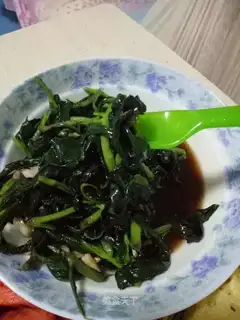
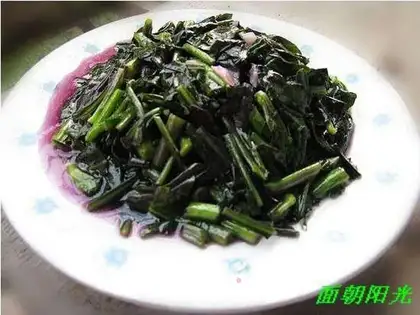
In the diverse world of leafy green vegetables, few are as culturally significant and nutritionally rich as Guanyin Cai (观音菜), also known as "Buddha’s Heart" or "Purple Leaf Vegetable." With its striking purple-tinged leaves, mild earthy flavor, and centuries-old use in traditional medicine, this vegetable has transcended regional popularity to become a global superfood. Native to East and Southeast Asia, Guanyin Cai belongs to the Gynura genus, often specifically Gynura bicolor or Gynura procumbens. Beyond its culinary appeal, it is revered for its potent medicinal properties, offering a unique blend of vitamins, antioxidants, and bioactive compounds. This article explores the nutritional profile of Guanyin Cai, its evidence-based health benefits, potential side effects, and practical consumption guidelines to help readers harness its full potential.
Nutritional Profile: A Treasure Trove of Essential Nutrients
Guanyin Cai’s nutritional density is the foundation of its health-promoting reputation. This leafy green is a low-calorie food, with approximately 35 calories per 100 grams, making it an ideal choice for weight management diets. Its true value lies in its rich concentration of vitamins, minerals, and phytochemicals that support overall well-being.
Vitamins: Antioxidant Powerhouses
Guanyin Cai is exceptional in its vitamin content, particularly fat-soluble vitamins like vitamin A and vitamin E, as well as water-soluble vitamins such as vitamin C and folate.
- Vitamin A: In the form of beta-carotene, Guanyin Cai provides over 300% of the daily recommended intake (DRI) per 100 grams. Vitamin A is critical for vision health, immune function, and cell growth. Its antioxidant properties also protect against oxidative stress, reducing the risk of chronic diseases.
- Vitamin C: With approximately 50 mg per 100 grams, Guanyin Cai is a potent source of vitamin C, surpassing even oranges (which contain about 53 mg per 100 grams). Vitamin C boosts collagen production, enhances iron absorption, and strengthens the immune system. It also scavenges free radicals, slowing down aging and inflammation.
- Vitamin E: This fat-soluble antioxidant works in tandem with vitamin C to neutralize harmful free radicals, protecting cell membranes from damage. Vitamin E also supports skin health and may reduce the risk of cardiovascular diseases.
- Folate (Vitamin B9): Essential for DNA synthesis and cell division, folate is particularly important during pregnancy. Guanyin Cai contains around 80 mcg per 100 grams, contributing to healthy fetal development and reducing the risk of neural tube defects.
Minerals: Building Blocks for Health
The vegetable is a rich source of essential minerals, including iron, calcium, potassium, and manganese, each playing a vital role in bodily functions.
- Iron: At 2.1 mg per 100 grams, Guanyin Cai is a valuable plant-based iron source, crucial for hemoglobin production and oxygen transport. When consumed with vitamin C-rich foods, its iron absorption is significantly enhanced, making it beneficial for preventing anemia.
- Calcium: With 130 mg per 100 grams, Guanyin Cai supports bone and teeth health, aiding in muscle contraction and nerve signaling. Its calcium content is comparable to that of dairy milk, making it a great option for lactose-intolerant individuals.
- Potassium: This mineral regulates blood pressure by balancing sodium levels and supporting fluid balance. Guanyin Cai provides 300 mg of potassium per 100 grams, contributing to cardiovascular health.
- Manganese: A trace mineral involved in bone formation, metabolism, and antioxidant defense, manganese (0.3 mg per 100 grams) in Guanyin Cai helps maintain enzymatic functions and reduce oxidative stress.
Phytochemicals: Bioactive Compounds with Therapeutic Potential
What sets Guanyin Cai apart from other leafy greens is its abundance of unique phytochemicals, particularly anthocyanins and saponins.
- Anthocyanins: The purple pigments in Guanyin Cai are anthocyanins, potent antioxidants that give the vegetable its characteristic color. These compounds have anti-inflammatory, anti-cancer, and neuroprotective properties. Studies show anthocyanins can improve cognitive function, reduce the risk of heart disease, and inhibit the growth of cancer cells.
- Saponins: Found in the leaves and stems, saponins have cholesterol-lowering effects and may enhance immune function. They also exhibit antimicrobial properties, helping the body fight off infections.
- Gynura A and B: Two unique compounds in Gynura species, these bioactive molecules have been studied for their anti-diabetic and anti-obesity effects. They help regulate blood sugar levels by improving insulin sensitivity and reducing glucose absorption in the intestines.
Health Benefits: From Traditional Medicine to Modern Science
Guanyin Cai has been used in traditional Chinese medicine (TCM) for centuries to treat ailments like hypertension, diabetes, and inflammation. Modern research has validated many of these traditional uses, revealing its potential as a therapeutic food.
1. Blood Sugar Regulation: A Natural Ally Against Diabetes
One of the most well-documented benefits of Guanyin Cai is its ability to manage blood sugar levels. The saponins and gynuric acids in the vegetable inhibit alpha-glucosidase, an enzyme responsible for breaking down carbohydrates into glucose. By slowing carbohydrate digestion, Guanyin Cai reduces post-meal blood sugar spikes, making it beneficial for individuals with type 2 diabetes. A 2018 study published in the Journal of Ethnopharmacology found that diabetic rats fed Guanyin Cai extract showed a 30% reduction in blood glucose levels compared to the control group.
2. Cardiovascular Health: Lowering Cholesterol and Blood Pressure
The combination of potassium, anthocyanins, and saponins makes Guanyin Cai a heart-healthy food. Potassium counteracts the effects of sodium, relaxing blood vessels and lowering blood pressure. Anthocyanins reduce LDL (bad) cholesterol oxidation, preventing plaque buildup in arteries. Saponins, on the other hand, bind to cholesterol in the digestive system, limiting its absorption. A 2020 study in Phytotherapy Research confirmed that regular consumption of Guanyin Cai for 12 weeks significantly reduced total cholesterol and triglyceride levels in participants with hyperlipidemia.
3. Anti-Cancer Properties: Targeting Cancer Cells Naturally
Guanyin Cai’s antioxidant and anti-inflammatory compounds have shown promise in cancer prevention and treatment. Anthocyanins induce apoptosis (programmed cell death) in cancer cells, particularly those affecting the colon, liver, and breasts. A 2019 study in Oncology Reports found that gynurin, a compound extracted from Guanyin Cai, inhibited the proliferation of human liver cancer cells by 60% in vitro. While more human trials are needed, these findings suggest Guanyin Cai could complement conventional cancer therapies.
4. Immune System Boost: Enhancing Defense Against Infections
The high vitamin C and anthocyanin content in Guanyin Cai strengthens the immune system by stimulating white blood cell production and enhancing phagocytosis (the process by which immune cells engulf pathogens). Additionally, its antimicrobial saponins help combat bacteria and fungi, reducing the risk of infections like colds, flu, and urinary tract infections. A 2017 study in the Journal of Medicinal Food reported that Guanyin Cai extract increased immune cell activity by 45% in mice, demonstrating its immunomodulatory effects.
5. Anti-Aging and Skin Health: Nourishing from Within
The antioxidants in Guanyin Cai—vitamin C, vitamin E, and anthocyanins—protect the skin from UV damage, pollution, and free radicals, which accelerate aging. Vitamin C boosts collagen synthesis, improving skin elasticity and reducing wrinkles. Anthocyanins increase blood flow to the skin, giving it a healthy glow. Topical applications of Guanyin Cai extract have also been shown to reduce inflammation and redness in conditions like eczema and acne.
6. Digestive Health: Promoting Gut Microbiota Balance
Guanyin Cai is a good source of dietary fiber (2.5 grams per 100 grams), which aids digestion by promoting regular bowel movements and preventing constipation. The fiber also acts as a prebiotic, feeding beneficial gut bacteria like Lactobacillus and Bifidobacterium. A healthy gut microbiota is linked to improved immunity, better mood, and reduced risk of inflammatory bowel diseases (IBD).
Culinary Uses: From Stir-Fries to Smoothies
Guanyin Cai’s versatility in the kitchen makes it easy to incorporate into daily meals. Its mild, slightly bitter flavor pairs well with garlic, ginger, and soy sauce, and its tender leaves cook quickly, retaining most of their nutrients. Common culinary preparations include:
- Stir-Fries: Sautéed with garlic, tofu, or meat, Guanyin Cai adds color and nutrition to dishes.
- Soups: Boiled in bone broth or vegetable soups, it infuses the broth with minerals and antioxidants.
- Salads: Young leaves can be eaten raw in salads, providing a crunchy texture and vibrant color.
- Smoothies: Blended with fruits like bananas and berries, Guanyin Cai adds a nutrient boost without overpowering the flavor.
- Tea: Dried leaves can be steeped in hot water to make a herbal tea, believed to detoxify the body and reduce inflammation.
Precautions and Potential Side Effects
While Guanyin Cai offers numerous health benefits, it is not without risks. Certain populations should consume it with caution, and excessive intake may lead to adverse effects.
1. Blood Sugar Medication Interaction
Individuals taking diabetes medications (e.g., metformin or insulin) should monitor their blood sugar levels closely when consuming Guanyin Cai. Its potent blood sugar-lowering effects may cause hypoglycemia (low blood sugar) if combined with medication. Consulting a healthcare provider before adding it to the diet is advisable.
2. Pregnancy and Breastfeeding
Pregnant women should limit their intake of Guanyin Cai due to its uterine-stimulating properties, which may increase the risk of miscarriage. While limited research exists on its effects during breastfeeding, erring on the side of caution is recommended.
3. Kidney and Gallbladder Issues
Guanyin Cai contains oxalates, compounds that can form crystals in the kidneys, worsening conditions like kidney stones or gallstones. Individuals with a history of these issues should avoid consuming it in large quantities.
4. Allergic Reactions
Though rare, some people may be allergic to Guanyin Cai, experiencing symptoms like itching, rash, or difficulty breathing. Those with known allergies to plants in the Asteraceae family (e.g., daisies or sunflowers) should be particularly cautious.
5. Excessive Consumption
Overconsumption of Guanyin Cai may lead to digestive issues like diarrhea or bloating due to its high fiber content. Additionally, its high vitamin K levels can interfere with blood-thinning medications (e.g., warfarin), as vitamin K promotes blood clotting. Individuals on such medications should maintain consistent vitamin K intake and consult their doctor.
Conclusion: Embracing Guanyin Cai for Holistic Health
Guanyin Cai is more than just a leafy green—it is a nutritional and medicinal marvel that bridges traditional wisdom and modern science. Its rich profile of vitamins, minerals, and phytochemicals supports blood sugar control, heart health, immune function, and anti-aging, making it a valuable addition to a balanced diet. However, like all foods, moderation and awareness of potential side effects are key. For most people, incorporating 2–3 servings of Guanyin Cai per week can provide significant health benefits without adverse effects. As research continues to uncover its therapeutic potential, Guanyin Cai is poised to become a staple in households worldwide, offering a delicious and natural path to wellness.
In a world where processed foods dominate, Guanyin Cai stands as a reminder of the power of whole, nutrient-dense foods to nourish and heal. Whether stir-fried, steamed, or blended into a smoothie, this humble vegetable offers a simple yet effective way to enhance health—one purple leaf at a time.