Sow thistle (Sonchus oleraceus), often mistaken for a common weed, is a nutrient-dense green leafy vegetable with a rich history in traditional medicine and cuisine. Known by various names such as “puha” in New Zealand, “hokigyo” in Japan, and “amarillo” in Spain, this humble plant has been valued for centuries for its medicinal properties and culinary versatility. Today, as interest in wild foods and natural health remedies grows, sow thistle is gaining recognition as a “superfood” packed with vitamins, minerals, and bioactive compounds. This article explores the nutritional profile, health benefits, and precautions associated with consuming sow thistle, offering a comprehensive guide for incorporating this underutilized green into a healthy diet.
Nutritional Profile: A Treasure Trove of Essential Nutrients
Sow thistle belongs to the Asteraceae family, related to dandelions and lettuce. Its leaves, stems, and even flowers are edible, offering a mild, slightly bitter flavor reminiscent of chicory or endive. What truly sets sow thistle apart is its exceptional nutritional density, making it a valuable addition to balanced diets.
Vitamins:
Sow thistle is a powerhouse of vitamins, particularly fat-soluble vitamins A and E, and water-soluble vitamins C and K. A 100-gram serving of fresh sow thistle leaves provides approximately:
- Vitamin A (as beta-carotene): Over 200% of the Daily Value (DV). This antioxidant is crucial for vision, immune function, and skin health.
- Vitamin C: 35% of the DV, supporting collagen synthesis, immune defense, and iron absorption.
- Vitamin K: 300% of the DV, essential for blood clotting and bone metabolism.
- Vitamin E: 10% of the DV, a potent antioxidant that protects cells from oxidative stress.
Minerals:
The plant is also rich in essential minerals, including calcium, iron, magnesium, and potassium. Notably:
- Calcium: 100 mg per 100 grams—comparable to dairy products—making it valuable for bone and teeth health.
- Iron: 2.5 mg, or 14% of the DV, aiding in oxygen transport and energy production.
- Potassium: 400 mg, helping regulate blood pressure and fluid balance.
Bioactive Compounds:
Sow thistle contains unique phytochemicals that contribute to its medicinal properties. These include:
- Sesquiterpene lactones: Bitter compounds with anti-inflammatory and antimicrobial effects.
- Flavonoids (e.g., quercetin and luteolin): Antioxidants that combat oxidative stress and reduce inflammation.
- Polyphenols: Linked to a lower risk of chronic diseases such as heart disease and diabetes.
Macronutrients:
Low in calories (just 30 kcal per 100 grams) but high in fiber (2.5 grams), sow thistle promotes satiety, aids digestion, and supports gut health. Its protein content (2.5 grams per 100 grams) is also noteworthy for a leafy green, making it a suitable option for plant-based diets.
Health Benefits: From Traditional Medicine to Modern Wellness
The consumption of sow thistle is associated with a wide range of health benefits, many of which have been validated by scientific research. Its potent combination of nutrients and bioactive compounds makes it a valuable ally in preventing and managing various health conditions.
1. Anti-Inflammatory and Antioxidant Properties
Chronic inflammation is a root cause of many modern diseases, including arthritis, heart disease, and cancer. Sow thistle’s high content of sesquiterpene lactones and flavonoids helps inhibit pro-inflammatory enzymes (such as COX-2) and neutralize free radicals. A 2018 study published in the Journal of Ethnopharmacology found that sow thistle extract reduced inflammation in mice with colitis, suggesting potential benefits for inflammatory bowel diseases (IBD) in humans.
2. Liver Detoxification and Digestive Health
In traditional medicine, sow thistle has been used as a “hepatic” herb to support liver function. Its bitter compounds stimulate bile production, aiding in the digestion of fats and the elimination of toxins. The fiber in sow thistle also promotes regular bowel movements and feeds beneficial gut bacteria, reducing the risk of constipation and dysbiosis. A 2020 study in Food & Function highlighted that sow thistle polyphenols enhanced gut barrier integrity, protecting against leaky gut syndrome.
3. Immune System Support
The abundance of vitamins A and C in sow thistle makes it a natural immune booster. Vitamin A maintains the integrity of mucosal surfaces (e.g., respiratory and digestive tracts), while vitamin C stimulates white blood cell production and antibody activity. Research shows that regular consumption of vitamin C-rich foods like sow thistle can reduce the duration and severity of colds and infections.
4. Bone Health and Osteoporosis Prevention
Sow thistle is an excellent plant-based source of calcium and vitamin K, two nutrients critical for bone density. Vitamin K activates osteocalcin, a protein that binds calcium to bones, reducing the risk of fractures. A 2019 study in Osteoporosis International found that higher vitamin K intake was associated with a 20% lower risk of hip fractures in older adults. For individuals lactose intolerant or following vegan diets, sow thistle offers a valuable alternative to dairy for calcium.
5. Blood Sugar Regulation
Preliminary research suggests that sow thistle may help manage blood sugar levels. Its fiber content slows carbohydrate digestion, preventing spikes in blood glucose. Additionally, flavonoids like quercetin have been shown to improve insulin sensitivity. A 2021 animal study in Phytotherapy Research found that sow thistle extract reduced fasting blood sugar and HbA1c levels in diabetic rats, indicating potential as an adjunct therapy for type 2 diabetes.
6. Skin and Wound Healing
Vitamins A, C, and E in sow thistle contribute to skin health by promoting collagen synthesis and protecting against UV damage. Traditional healers have used crushed sow thistle leaves topically to treat wounds, burns, and skin infections, thanks to its antimicrobial and anti-inflammatory properties. A 2017 study in Journal of Applied Microbiology confirmed that sow thistle extract inhibited the growth of Staphylococcus aureus, a common skin pathogen.
Culinary Uses: From Wild Weed to Gourmet Ingredient
Despite its weedy reputation, sow thistle is a versatile culinary ingredient with a flavor profile that ranges from mild (young leaves) to pleasantly bitter (older leaves). Its tender, succulent leaves can be used in a variety of dishes, adding both nutrition and depth of flavor.
Preparation:
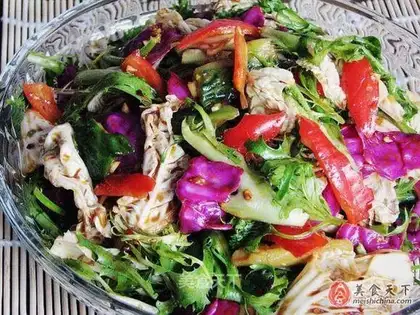
- Young leaves: Ideal for salads, as they have a mild, lettuce-like taste. Pair with citrus vinaigrette, goat cheese, and nuts to balance bitterness.
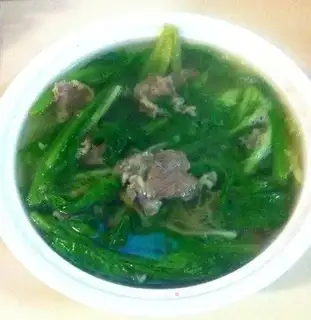
- Mature leaves: Best cooked to reduce bitterness. Sauté with garlic and olive oil, add to soups, stews, or stir-fries, or blend into smoothies for a nutrient boost.
- Stems: Similar to celery, sow thistle stems can be steamed, pickled, or added to stocks.
- Flowers: Bright yellow flowers make an edible garnish and can be infused into syrups or teas.
Global Culinary Traditions:
- Mediterranean: In Spain and Italy, sow thistle is sautéed with garlic and chili or added to omelets (tortilla de puñetas in Spain).
- Asia: In Japan, “hokigyo” is blanched and dressed with sesame sauce, while in Korea, it is used in namul (seasoned vegetable dishes).
- Pacific: Māori in New Zealand steam sow thistle with pork or fish, incorporating it into traditional dishes like hangi.
Precautions and Potential Side Effects
While sow thistle is generally safe for most people when consumed in moderation, certain precautions should be taken to avoid adverse effects.
1. Bitterness and Digestive Discomfort
The bitter compounds in sow thistle may cause mild stomach upset in sensitive individuals, especially when eaten in large quantities. Cooking the leaves or mixing them with milder greens can reduce this effect.
2. Contamination Risks
As a wild green, sow thistle may accumulate pesticides, heavy metals, or pollutants if harvested from contaminated areas (e.g., roadsides, industrial sites). Always source sow thistle from organic gardens or trusted foragers, and wash thoroughly before consumption.
3. Allergic Reactions
Individuals allergic to plants in the Asteraceae family (e.g., ragweed, dandelions, chrysanthemums) may experience cross-reactivity. Symptoms include skin rashes, itching, or respiratory distress. A small taste test is recommended for first-time consumers.
4. Blood Thinning and Medication Interactions
Sow thistle is high in vitamin K, which plays a key role in blood clotting. Individuals taking anticoagulant medications (e.g., warfarin) should consume it consistently and in moderation to avoid interactions. Consult a healthcare provider before adding large amounts to your diet if you have a bleeding disorder or are on blood thinners.
5. Pregnancy and Breastfeeding
Limited research exists on the safety of sow thistle during pregnancy and breastfeeding. Due to its potential uterine-stimulating effects (based on traditional use), pregnant women should avoid it unless advised by a doctor.
Conclusion: Embracing the Humble Sow Thistle
Sow thistle is a nutritional and medicinal powerhouse that challenges the perception of weeds as useless plants. Its exceptional vitamin and mineral content, combined with anti-inflammatory, antioxidant, and digestive health benefits, make it a valuable addition to modern diets. From salads to soups, this versatile green offers a unique flavor profile while promoting overall wellness.
However, responsible consumption is key: sourcing clean, uncontaminated plants, starting with small amounts to assess tolerance, and being mindful of potential interactions with medications. As we rediscover the wisdom of traditional foods and seek sustainable, nutrient-dense options, sow thistle stands out as a “forgotten superfood” waiting to be embraced. Whether foraged from the wild or grown in a backyard garden, this humble green has the potential to transform meals into acts of nourishment and healing.
In a world where processed foods dominate, sow thistle reminds us that nature’s most potent remedies often grow in plain sight—waiting to be recognized, appreciated, and integrated into our quest for health.