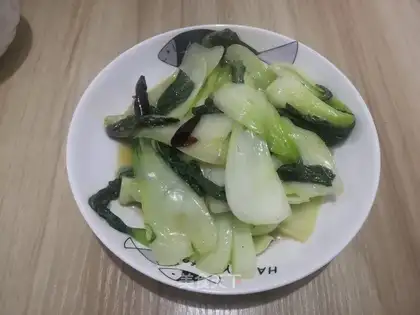
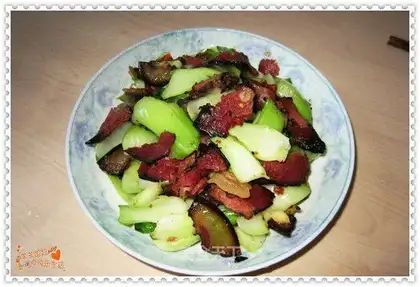
Choy sum, scientifically known as Brassica rapa var. parachinensis, is a leafy green vegetable widely consumed in East and Southeast Asia. With its crisp stalks, tender leaves, and mild, slightly sweet flavor, choy sum has become a staple in cuisines ranging from Cantonese stir-fries to Malaysian laksa. Beyond its culinary versatility, choy sum is celebrated for its impressive nutritional profile and array of health benefits. However, like all foods, it should be consumed mindfully to avoid potential side effects. This article explores the nutritional value of choy sum, its health-promoting properties, and important considerations for safe consumption.
Nutritional Value of Choy Sum
Choy sum is a low-calorie, nutrient-dense vegetable, making it an excellent choice for those seeking to maintain a healthy diet without compromising on flavor or essential nutrients. A 100-gram serving of raw choy sum contains approximately 22 calories, 2.8 grams of protein, 0.5 grams of fat, and 4.3 grams of carbohydrates, including 2.8 grams of fiber. Its nutritional composition is particularly rich in vitamins, minerals, and bioactive compounds that support overall health.
Vitamins
Choy sum is a powerhouse of vitamins, with exceptional levels of vitamin C (100g provides ~70mg, over 75% of the daily recommended intake). Vitamin C is a potent antioxidant that boosts immune function, aids collagen synthesis for skin health, and enhances iron absorption from plant-based foods.
It is also abundant in vitamin K (100g provides ~140mcg, exceeding 100% of daily needs), which plays a critical role in blood clotting and bone metabolism. Additionally, choy sum provides significant amounts of vitamin A (as beta-carotene), which supports vision, immune health, and cell growth, and folate (B9), essential for DNA synthesis and fetal development during pregnancy.
Minerals
The vegetable is a good source of essential minerals, including calcium (100g provides ~150mg), vital for bone and teeth health, and potassium (300mg per 100g), which helps regulate blood pressure and fluid balance. It also contains iron, though its absorption is enhanced by the vitamin C in choy sum, making it beneficial for preventing iron deficiency anemia.
Antioxidants and Phytochemicals
Choy sum is rich in antioxidants, including glucosinolates—sulfur-containing compounds unique to cruciferous vegetables. When chewed or chopped, glucosinolates break down into bioactive compounds like sulforaphane, which has been studied for its anti-inflammatory, anticancer, and detoxification properties. The vegetable also contains flavonoids (such as quercetin) and carotenoids (like lutein and zeaxanthin), which protect cells from oxidative stress and reduce the risk of chronic diseases.
Health Benefits of Choy Sum
The combination of vitamins, minerals, and phytochemicals in choy sum contributes to a wide range of health benefits, from boosting immunity to supporting digestive and cardiovascular health.
1. Supports Immune Function
The high vitamin C content in choy sum is a key immune booster. Vitamin C stimulates the production and function of white blood cells, which are the body’s primary defense against infections. Studies also show that vitamin C reduces the duration and severity of colds, making choy sum a valuable addition to a winter diet.
2. Promotes Bone Health
Choy sum’s rich vitamin K and calcium content make it beneficial for maintaining strong bones. Vitamin K activates proteins that bind calcium to the bone matrix, reducing the risk of osteoporosis and fractures. For older adults, regular consumption of choy sum can help preserve bone density and prevent age-related bone loss.
3. Enhances Digestive Health
With 2.8 grams of fiber per 100 grams, choy sum supports a healthy digestive system. Fiber adds bulk to stool, preventing constipation and promoting regular bowel movements. It also acts as a prebiotic, feeding beneficial gut bacteria and improving overall gut microbiota balance. A healthy gut microbiome is linked to better immunity, mood regulation, and reduced inflammation.
4. Reduces Chronic Disease Risk
The antioxidants in choy sum, particularly sulforaphane and flavonoids, help neutralize free radicals—unstable molecules that can damage cells and contribute to chronic diseases like heart disease, diabetes, and cancer. Research suggests that sulforaphane inhibits the growth of cancer cells, particularly in the colon, breast, and prostate. Additionally, the potassium in choy sum helps lower blood pressure by balancing sodium levels, reducing the risk of hypertension and stroke.
5. Supports Weight Management
Choy sum is low in calories but high in fiber and water content, making it an ideal food for weight management. Fiber promotes satiety, reducing overall calorie intake, while its high water content helps keep the body hydrated. Incorporating choy sum into meals can add volume and nutrients without excess calories, supporting healthy weight loss or maintenance.
6. Protects Eye Health
Choy sum contains lutein and zeaxanthin, two carotenoids that accumulate in the retina and protect against age-related macular degeneration (AMD) and cataracts. These antioxidants filter harmful blue light and reduce oxidative stress in the eyes, preserving vision as we age.
食用禁忌 (Consumption Precautions)
While choy sum is highly nutritious, certain groups should consume it with caution to avoid potential adverse effects.
1. Thyroid Function
Choy sum belongs to the cruciferous vegetable family, which contains goitrogens—compounds that can interfere with thyroid function by inhibiting iodine uptake. Individuals with hypothyroidism or an iodine deficiency should moderate their intake, especially in raw form. Cooking choy sum significantly reduces goitrogen levels, making it safer for those with thyroid issues.
2. Blood Thinners and Vitamin K
Choy sum’s high vitamin K content can interact with blood-thinning medications like warfarin, which work by inhibiting vitamin K-dependent clotting factors. Consistent vitamin K intake is crucial for patients on such medications, as sudden increases can reduce the drug’s effectiveness. Individuals taking blood thinners should maintain a stable intake of choy sum and consult their doctor before making dietary changes.
3. Kidney Stones
Choy sum contains oxalates, naturally occurring compounds that can contribute to kidney stone formation in susceptible individuals. Those with a history of calcium oxalate kidney stones should limit their intake and ensure adequate hydration to reduce oxalate concentration in urine.
4. Pesticide Residues
As a leafy green, choy sum may retain pesticide residues if not properly washed. To minimize exposure, choose organic varieties when possible, and wash thoroughly under running water or soak in a solution of water and vinegar for 10–15 minutes before consumption.
5. Digestive Sensitivity
While fiber is beneficial for digestion, excessive consumption of choy sum may cause bloating, gas, or diarrhea in individuals with sensitive digestive systems. Starting with small portions and cooking the vegetable (e.g., steaming or stir-frying) can make it easier to digest.
Conclusion
Choy sum is a nutritional powerhouse that offers a wide range of health benefits, from boosting immunity and supporting bone health to reducing the risk of chronic diseases. Its rich vitamin, mineral, and antioxidant content makes it a valuable addition to a balanced diet. However, individuals with thyroid conditions, those on blood thinners, or those prone to kidney stones should consume it mindfully, taking precautions such as cooking and moderating intake. By incorporating choy sum into meals responsibly, anyone can harness its health-promoting properties while minimizing potential risks. Whether stir-fried, steamed, or added to soups, choy sum is a delicious and versatile vegetable that exemplifies the synergy of taste and nutrition in healthy eating.