In recent years, the rise of superfoods has brought lesser-known ingredients into the spotlight, and one of the most intriguing is ice plant (Mesembryanthemum crystallinum). Also known as "ice weed" or "crystalwort," this succulent, native to southern Africa but now grown in temperate and coastal regions worldwide, has captivated health enthusiasts, chefs, and researchers alike. Its name derives from the glistening, bead-like trichomes (fine hair-like structures) that cover its leaves, resembling frozen crystals when exposed to sunlight. Beyond its striking appearance, ice plant offers a unique blend of nutrients, health benefits, and culinary versatility. However, as with any functional food, understanding its proper usage and potential precautions is essential. This article explores the nutritional profile, health benefits, and considerations for consuming ice plant, providing a comprehensive guide to this emerging superfood.
Nutritional Profile: A Low-Calorie Nutrient Dynamo
Ice plant stands out for its exceptional nutrient density while being remarkably low in calories, making it an attractive addition to balanced diets. A 100-gram serving of raw ice plant contains approximately 16 calories, 1.8 grams of protein, 3.2 grams of carbohydrates, and a mere 0.5 grams of fat. Its true value lies in its micronutrient and phytochemical content, which sets it apart from more common leafy greens like spinach or lettuce.
Vitamins and Minerals
Ice plant is a rich source of vitamins that play critical roles in metabolism, immune function, and cellular health. It is particularly high in vitamin K, with 100 grams providing around 32 micrograms (mcg), or about 27% of the daily recommended intake (DRI). Vitamin K is essential for blood clotting and bone metabolism, and adequate intake has been linked to a reduced risk of osteoporosis.
The plant also offers a notable amount of vitamin C, an antioxidant that supports immune function, skin health, and collagen synthesis. A 100-gram serving contains approximately 12 milligrams (mg) of vitamin C, roughly 15% of the DRI. While this is less than citrus fruits, ice plant’s contribution becomes significant when consumed regularly as part of a diverse diet.
Additionally, ice plant provides vitamin A (in the form of beta-carotene), which is vital for vision, immune health, and cell growth. It also contains smaller amounts of B vitamins, including folate (B9), which is crucial for DNA synthesis and fetal development during pregnancy.
In terms of minerals, ice plant is a good source of magnesium (21 mg per 100 grams), which supports muscle and nerve function, blood sugar control, and blood pressure regulation. It also contains potassium (144 mg), which helps balance fluids in the body and counteract the effects of sodium, and calcium (18 mg), though not as abundant as in dairy products, it still contributes to bone health.
Phytochemicals and Antioxidants
What truly distinguishes ice plant is its high concentration of unique phytochemicals, particularly mesembryanthemum A and B, flavonoids, and betalains. These compounds are potent antioxidants that help neutralize harmful free radicals, reducing oxidative stress—a key driver of chronic diseases like heart disease, cancer, and neurodegenerative disorders.
The plant’s most famous phytochemicals are its sodium-rich bladder cells (the "ice" beads), which store saltwater. While this gives ice plant a naturally salty taste (a rare trait in vegetables), it also means the plant is adapted to thrive in saline soils, a trait that may contribute to its unique nutrient profile. Some studies suggest these compounds may have anti-inflammatory and anti-diabetic properties, though more research is needed.
Fiber and Water Content
Ice plant is over 90% water, making it a hydrating food that supports digestion and overall fluid balance. It also contains about 1.6 grams of dietary fiber per 100 grams, which aids in gut health by promoting regular bowel movements and feeding beneficial gut bacteria. The fiber, combined with its low calorie and high water content, makes ice plant a filling food that may aid in weight management.
Health Benefits: From Hydration to Chronic Disease Prevention
The combination of vitamins, minerals, antioxidants, and phytochemicals in ice plant translates to a range of potential health benefits. While many of these benefits are supported by preliminary research or traditional use, emerging studies highlight its potential as a functional food.
1. Hydration and Electrolyte Balance
In an era where dehydration is common (due to inadequate water intake or excessive sweating from exercise), ice plant’s high water content (over 90%) makes it an excellent hydrating food. Unlike plain water, it also provides natural electrolytes like potassium and sodium, which are lost during sweating. This makes ice plant particularly beneficial for athletes, outdoor workers, or anyone in hot climates, as it helps replenish fluids and maintain electrolyte balance without the added sugars or artificial ingredients found in sports drinks.
2. Antioxidant and Anti-Inflammatory Effects
Chronic inflammation and oxidative stress are underlying factors in many diseases, including arthritis, diabetes, and heart disease. Ice plant’s rich antioxidant profile—including vitamin C, flavonoids, and mesembryanthemum compounds—helps combat these processes. For example, a 2018 study published in the Journal of Ethnopharmacology found that ice plant extract significantly reduced inflammation in human cells by inhibiting pro-inflammatory cytokines. Similarly, its betalain pigments (also found in beets) have been shown to neutralize free radicals and protect against DNA damage.
3. Blood Sugar Regulation
Preliminary research suggests ice plant may help regulate blood sugar levels, making it a promising food for people with prediabetes or type 2 diabetes. A 2020 study in Phytotherapy Research found that diabetic rats fed ice plant extract had lower fasting blood glucose levels and improved insulin sensitivity compared to a control group. The mechanism is thought to involve the plant’s fiber content, which slows carbohydrate absorption, and its phytochemicals, which enhance insulin sensitivity. While human trials are needed, these results are encouraging for natural blood sugar management.
4. Heart Health
Ice plant’s nutrient profile supports cardiovascular health in multiple ways. Its potassium content helps lower blood pressure by counteracting the effects of sodium, a key factor in hypertension. Meanwhile, its fiber binds to cholesterol in the digestive system, reducing its absorption and helping to lower LDL ("bad") cholesterol. The antioxidants also protect LDL particles from oxidation, a process that contributes to plaque buildup in arteries. Together, these effects may reduce the risk of atherosclerosis and heart disease.
5. Skin Health and Anti-Aging
Vitamin C and beta-carotene in ice plant are essential for skin health. Vitamin C is a cofactor for collagen synthesis, the protein that gives skin its elasticity and strength, while beta-carotene protects against UV damage and may reduce the appearance of wrinkles. Additionally, the plant’s high water content keeps skin hydrated, and its antioxidants combat oxidative stress, which accelerates skin aging. Some skincare companies have even begun extracting ice plant compounds for use in topical products, though oral consumption remains the most studied method.
6. Bone Health
Ice plant’s vitamin K and calcium content make it beneficial for bone health. Vitamin K activates osteocalcin, a protein that binds calcium to bones, while calcium provides the structural material for bone tissue. Adequate intake of both nutrients has been associated with a lower risk of fractures and osteoporosis, particularly in older adults.
Culinary Uses: From Salads to Stir-Fries
Beyond its health benefits, ice plant is prized for its culinary versatility. Its crunchy texture, reminiscent of watercress, and mildly salty, slightly tangy flavor make it a versatile ingredient in both raw and cooked dishes.
- Raw: Ice plant is often used fresh in salads, where its crispness and salty flavor add a unique twist. It pairs well with other greens, citrus fruits, nuts, and light vinaigrettes.
- Grilled or Roasted: When exposed to heat, the "ice" beads on the leaves burst, releasing a salty burst of flavor. Grilled ice plant makes a delicious side dish, drizzled with olive oil and lemon juice.
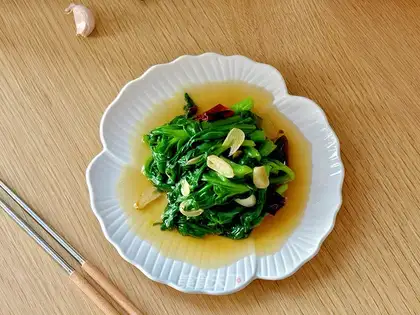
- Stir-Fries or Sautéed: In some cuisines, ice plant is stir-fried with garlic, chili, or other vegetables, similar to spinach or kale. It wilts quickly but retains its crunch.
- Pickled: Ice plant can be pickled in a brine solution, similar to cucumbers, to preserve its flavor and extend its shelf life.
- Smoothies or Juices: Its mild flavor and high water content make it a good addition to smoothies, adding nutrients without overpowering other ingredients.
Precautions and Potential Side Effects
While ice plant is generally safe for most people, there are several considerations to keep in mind to avoid adverse effects.
1. High Sodium Content
Ice plant’s natural saltiness comes from its sodium-rich bladder cells, which store salt to survive in saline environments. A 100-gram serving contains approximately 45 mg of sodium, which is higher than most leafy greens (e.g., spinach contains 79 mg per 100 grams, but ice plant’s flavor makes it taste saltier). For people with hypertension, kidney disease, or those on a low-sodium diet, moderation is key. Limiting intake to 1–2 servings per day is advisable to avoid exceeding recommended sodium limits (2,300 mg per day for most adults).
2. Oxalate Content
Like spinach and other greens, ice plant contains oxalates, naturally occurring compounds that can bind to calcium and form kidney stones in susceptible individuals. People with a history of calcium oxalate kidney stones should limit their intake and consult a healthcare provider before adding ice plant to their diet. Cooking ice plant can reduce its oxalate content by 10–15%, making it a safer option for those at risk.
3. Pesticide Residues
Ice plant is often grown in sandy soils and may be more susceptible to pesticide absorption if not grown organically. To minimize exposure, choose organic ice plant when possible, or wash it thoroughly under running water before consumption.
4. Allergic Reactions
While rare, some individuals may be allergic to ice plant, particularly those with allergies to other plants in the Aizoaceae family (e.g., purslane). Symptoms may include itching, hives, or swelling. If you experience a reaction after consuming ice plant, discontinue use and seek medical attention.
5. Pregnancy and Breastfeeding
There is limited research on the safety of ice plant during pregnancy and breastfeeding. While it is generally considered safe when consumed in moderation, pregnant or breastfeeding women should consult their healthcare provider before adding it to their diet, especially in large amounts.
Conclusion: A Unique Addition to a Healthy Diet
Ice plant is more than just a visually striking vegetable—it is a nutritional powerhouse with a range of potential health benefits, from hydration and antioxidant support to blood sugar regulation and heart health. Its versatility in the kitchen makes it easy to incorporate into meals, whether raw in salads, grilled as a side, or blended into smoothies. However, its high sodium and oxalate content mean that moderation is key, especially for those with specific health conditions.
As research on ice plant continues to grow, it is likely to gain even more recognition as a functional food. For now, it serves as a delicious and nutrient-dense way to diversify your diet and explore the world of lesser-known superfoods. By understanding its benefits and precautions, you can enjoy ice plant as a safe and valuable addition to your healthy lifestyle.