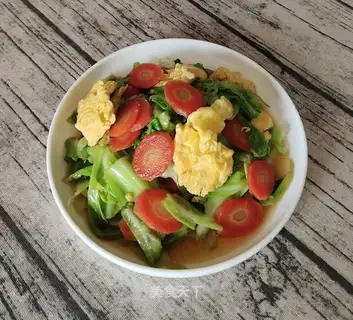
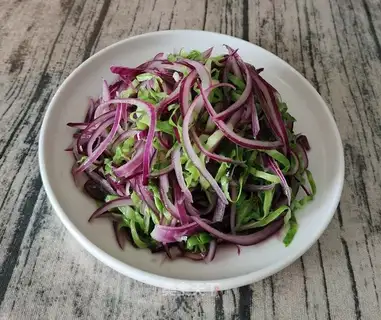
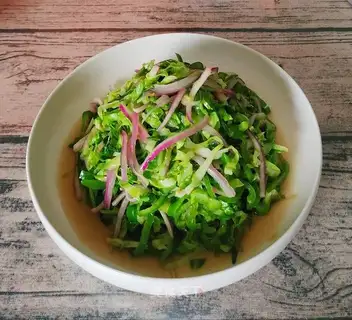
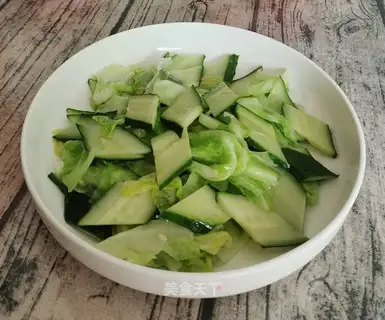
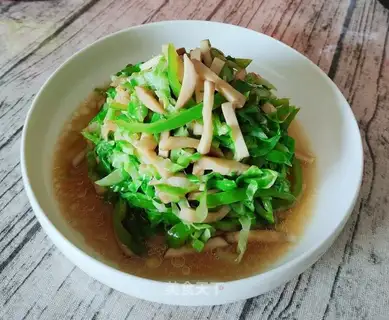
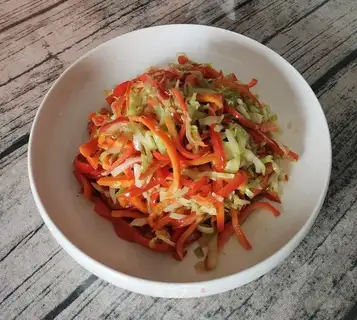
Cabbage, a member of the Brassicaceae family (which also includes broccoli, kale, and Brussels sprouts), is one of the oldest and most widely cultivated vegetables in the world. With its crisp leaves, mild flavor, and impressive versatility, cabbage has been a dietary staple in cultures across Europe, Asia, and the Americas for centuries. Beyond its culinary appeal, cabbage is celebrated for its exceptional nutritional profile and numerous health benefits. However, like all foods, it should be consumed in moderation and with awareness of potential precautions. This article explores the nutritional value of cabbage, its evidence-based health benefits, and important considerations for safe consumption.
I. Nutritional Value of Cabbage
Cabbage is a low-calorie, nutrient-dense vegetable, making it an excellent choice for those seeking to maintain a healthy weight or boost their intake of essential vitamins and minerals. A 100-gram serving of raw green cabbage contains approximately:
- Calories: 25 kcal
- Protein: 1.3 grams
- Carbohydrates: 5.8 grams (including 2.5 grams of fiber)
- Fat: 0.1 grams
- Vitamin C: 36.6 mg (61% of the Daily Value, DV)
- Vitamin K: 59.9 mcg (50% DV)
- Vitamin B6: 0.1 mg (8% DV)
- Folate: 43 mcg (11% DV)
- Manganese: 0.2 mg (18% DV)
- Potassium: 170 mg (5% DV)
Cabbage is also rich in bioactive compounds, including glucosinolates (sulfur-containing compounds responsible for its pungent aroma), anthocyanins (antioxidants that give red and purple cabbage their vibrant color), and polyphenols (such as ferulic acid and sinapic acid). These compounds contribute significantly to its health-promoting properties.
II. Health Benefits of Cabbage
Regular consumption of cabbage has been linked to a reduced risk of chronic diseases, improved digestion, and enhanced immune function. Below are some of its most well-documented health benefits:
1. Supports Digestive Health
Cabbage is an excellent source of dietary fiber, which promotes regular bowel movements and prevents constipation. The fiber also acts as a prebiotic, feeding beneficial gut bacteria (such as Lactobacillus and Bifidobacterium) and supporting a healthy gut microbiome. Additionally, cabbage contains sulforaphane, a glucosinolate derivative that has been shown to protect the stomach lining by reducing inflammation and inhibiting the growth of Helicobacter pylori, a bacterium linked to ulcers and stomach cancer.
2. Boosts Immune Function
Cabbage is a powerhouse of vitamin C, an antioxidant that plays a critical role in immune health. Vitamin C stimulates the production and function of white blood cells, which are essential for fighting infections. It also acts as a scavenger of free radicals, reducing oxidative stress and inflammation in the body. A single cup of chopped cabbage provides over 50% of the recommended daily intake of vitamin C, making it an effective natural immune booster.
3. Reduces Chronic Disease Risk
The anthocyanins in red and purple cabbage have potent antioxidant and anti-inflammatory properties. These compounds help neutralize harmful free radicals, reducing oxidative stress—a key driver of chronic diseases such as heart disease, diabetes, and cancer. Studies suggest that regular consumption of cruciferous vegetables like cabbage may lower the risk of colorectal cancer due to the presence of glucosinolates, which break down into compounds (e.g., indole-3-carbinol and sulforaphane) that inhibit cancer cell growth and promote detoxification.
Cabbage also contains potassium, which helps regulate blood pressure by balancing sodium levels in the body. High potassium intake is associated with a reduced risk of stroke and cardiovascular disease.
4. Supports Bone Health
Cabbage is rich in vitamin K, a nutrient essential for bone metabolism. Vitamin K activates proteins (osteocalcin) that bind calcium to the bone matrix, improving bone density and reducing the risk of fractures. A 100-gram serving of cabbage provides nearly 60% of the DV for vitamin K, making it a valuable addition to diets for preventing osteoporosis, especially in older adults.
5. Aids in Weight Management
With its low calorie and high water content (over 90%), cabbage is an ideal food for weight loss. The fiber in cabbage promotes satiety, reducing overall calorie intake. Additionally, cabbage’s low glycemic index (GI) means it causes a slow, steady rise in blood sugar, preventing energy crashes and cravings. Incorporating cabbage into meals—such as in salads, stir-fries, or soups—can help individuals maintain a healthy calorie deficit while meeting nutritional needs.
III. Culinary Uses and Preparation Tips
Cabbage’s versatility in the kitchen makes it a popular ingredient worldwide. It can be eaten raw, steamed, boiled, fermented, or roasted, each method offering unique flavors and textures:
- Raw: Shredded cabbage is a staple in coleslaw and salads, providing a crunchy texture and mild sweetness.
- Cooked: Steaming or sautéing cabbage softens its leaves and enhances its natural sweetness. Fermented cabbage (sauerkraut and kimchi) is rich in probiotics, which support gut health.
- Roasted: Roasting cabbage brings out a caramelized, nutty flavor, making it a delicious side dish.
To maximize nutrient retention, avoid overcooking cabbage. Steaming or stir-frying for 3–5 minutes preserves most of its vitamin C and glucosinolates. Soaking cabbage in water before cooking can also reduce its sulfur compounds, minimizing its pungent odor.
IV. Precautions and Potential Side Effects
While cabbage is generally safe for most people, certain individuals should exercise caution:
1. Goiter Risk
Cabbage contains goitrogens, compounds that can interfere with thyroid function by inhibiting the uptake of iodine. Individuals with thyroid disorders (e.g., hypothyroidism) should consume cabbage in moderation and ensure adequate iodine intake (e.g., through iodized salt or seafood). Cooking cabbage reduces its goitrogenic effects.
2. Digestive Discomfort
Cabbage’s high fiber content may cause bloating, gas, or diarrhea in some people, especially when consumed in large amounts. Those with irritable bowel syndrome (IBS) or sensitive digestion should start with small portions and monitor their tolerance.
3. Drug Interactions
Cabbage’s high vitamin K content may interact with blood-thinning medications (e.g., warfarin). Vitamin K promotes blood clotting, and sudden changes in intake can reduce the effectiveness of these drugs. Individuals on anticoagulants should maintain consistent vitamin K levels and consult their doctor before making significant dietary changes.
4. Pesticide Residues
Conventionally grown cabbage may contain pesticide residues. To minimize exposure, choose organic cabbage when possible, or wash it thoroughly under running water before consumption.
V. Conclusion
Cabbage is a nutritional powerhouse that offers a wide range of health benefits, from supporting digestion and immune function to reducing the risk of chronic diseases. Its low calorie, high fiber, and rich antioxidant content make it an excellent addition to a balanced diet. However, individuals with thyroid issues, digestive sensitivities, or those taking blood-thinning medications should consume it mindfully. By incorporating cabbage into meals in various forms—raw, cooked, or fermented—individuals can harness its nutritional potential while enjoying its versatility and flavor. As with any food, moderation and awareness are key to reaping the benefits of this humble yet extraordinary vegetable.