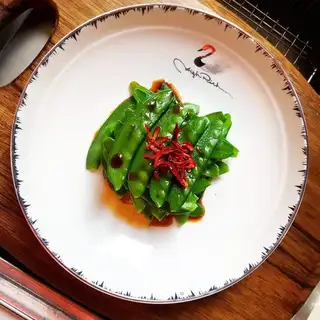
Snow peas, scientifically known as Pisum sativum var. saccharatum, are a beloved staple in cuisines worldwide, prized for their crisp texture, sweet flavor, and vibrant green hue. As a member of the legume family, these flat-podded peas are not only a culinary delight but also a nutritional powerhouse, offering a wealth of health benefits. However, like all foods, they must be consumed mindfully to avoid potential risks. This article explores the nutritional profile of snow peas, their diverse health benefits, and important considerations for safe consumption.
I. Nutritional Profile: A Microcosm of Essential Nutrients
Snow peas are a low-calorie, nutrient-dense food, making them an excellent addition to a balanced diet. A 100-gram serving of raw snow peas (approximately 1 cup) contains approximately:
- Calories: 42 kcal
- Protein: 2.8 grams
- Dietary Fiber: 2.5 grams
- Carbohydrates: 7.5 grams (including 3.2 grams of natural sugars)
- Fat: 0.2 grams
- Vitamins: Rich in vitamin C (60 mg, 100% of the Daily Value, DV), vitamin K (24.6 mcg, 21% DV), folate (42 mcg, 10% DV), and vitamin A (670 IU, 13% DV).
- Minerals: Good sources of iron (1.2 mg, 7% DV), potassium (135 mg, 3% DV), magnesium (22 mg, 5% DV), and manganese (0.2 mg, 10% DV).
- Antioxidants: Contain flavonoids (e.g., quercetin, kaempferol), carotenoids (e.g., lutein, zeaxanthin), and vitamin C, which combat oxidative stress.
Their high water content (91%) and low calorie count make them ideal for weight management, while their fiber and protein content promote satiety. The presence of vitamin K supports blood clotting and bone health, vitamin C boosts immunity and collagen synthesis, and folate is critical for DNA synthesis and cell division. Additionally, the antioxidants in snow peas help neutralize free radicals, reducing the risk of chronic diseases.
II. Health Benefits: Beyond Basic Nutrition
The unique combination of nutrients in snow peas confers a range of health benefits, from supporting heart health to enhancing skin vitality.
1. Supports Heart Health
Snow peas are heart-friendly due to their high fiber and potassium content. Fiber helps lower LDL (“bad”) cholesterol by binding to it in the digestive system and promoting its excretion, while potassium regulates blood pressure by balancing sodium levels and relaxing blood vessel walls. A study published in the American Journal of Clinical Nutrition found that diets rich in legumes, including peas, are associated with a 14% lower risk of coronary heart disease.
2. Aids Digestion and Gut Health
The dietary fiber in snow peas acts as a prebiotic, nourishing beneficial gut bacteria and promoting a healthy microbiome. Fiber also adds bulk to stool, preventing constipation and supporting regular bowel movements. Moreover, snow peas contain a small amount of resistant starch, which resists digestion in the small intestine and ferments in the colon, producing short-chain fatty acids (SCFAs) that reduce inflammation and strengthen the gut lining.
3. Boosts Immune Function
Vitamin C is a cornerstone of immune health, and snow peas are one of the best plant-based sources. Vitamin C stimulates the production and function of white blood cells, which are essential for fighting infections. It also acts as an antioxidant, protecting immune cells from damage by free radicals. A single serving of snow peas provides 100% of the DV for vitamin C, making it a valuable food for seasonal immunity support.
4. Promotes Skin Health
The combination of vitamin C, vitamin A, and antioxidants in snow peas benefits skin in multiple ways. Vitamin C is necessary for collagen synthesis, a protein that maintains skin elasticity and reduces wrinkles. Vitamin A supports skin cell turnover and repair, while antioxidants like lutein and zeaxanthin protect against UV-induced damage and premature aging. Additionally, the high water content in snow peas helps keep skin hydrated and supple.
5. Supports Weight Management
With just 42 calories per 100 grams and 2.5 grams of fiber, snow peas are a filling, low-calorie food that can aid weight loss. Fiber slows gastric emptying, prolonging satiety and reducing overall calorie intake. Their natural sweetness also satisfies cravings for sugary snacks, making them a healthier alternative to processed foods. A study in Obesity found that high-fiber diets are associated with greater weight loss and improved metabolic health.
6. Regulates Blood Sugar Levels
Snow peas have a low glycemic index (GI) of 40, meaning they cause a gradual rise in blood sugar rather than a spike. Their fiber and protein content further enhance blood sugar control by slowing carbohydrate absorption. This makes them a suitable food for individuals with diabetes or insulin resistance. A review in Diabetes Care concluded that diets rich in legumes improve glycemic control and reduce the risk of type 2 diabetes.
7. Enhances Bone Health
Snow peas are a good source of vitamin K, which plays a critical role in bone metabolism. Vitamin K activates osteocalcin, a protein that binds calcium to bones, increasing bone density and reducing fracture risk. They also provide magnesium, which supports calcium absorption and bone structure. A study in Journal of Bone and Mineral Research found that adequate vitamin K intake is associated with a 35% lower risk of hip fractures in older adults.
III. Culinary Uses and Preparation Tips
Snow peas are incredibly versatile in the kitchen and can be enjoyed raw, steamed, stir-fried, or blanched. To maximize their nutritional value and flavor:
- Selecting: Choose crisp, brightly colored pods with no signs of wilting or yellowing.
- Cleaning: Rinse under cold water and trim the stems and strings (if present).
- Cooking: Lightly steaming or stir-frying preserves their crunch and nutrients. Overcooking can destroy vitamin C and make them mushy.
- Pairing: They complement dishes with garlic, ginger, soy sauce, and sesame oil in Asian cuisine, or can be added to salads, pasta, and stir-fries for extra texture and nutrients.
IV. Precautions and Potential Side Effects
While snow peas are generally safe for most people, certain precautions should be taken:
1. Purines and Gout
Snow peas contain moderate levels of purines, natural compounds that break down into uric acid. In individuals with gout or high uric acid, excessive purine intake can trigger flare-ups. It is advisable for those with gout to limit snow pea consumption to 1–2 servings per week.
2. FODMAPs and Digestive Sensitivity
Snow peas are high in oligosaccharides, a type of FODMAP (fermentable oligosaccharides, disaccharides, monosaccharides, and polyols) that can cause bloating, gas, and abdominal pain in people with irritable bowel syndrome (IBS) or sensitive digestive systems. Those following a low-FODMAP diet should avoid or limit snow peas.
3. Pesticide Residues
Non-organic snow peas may contain pesticide residues. Washing thoroughly or choosing organic varieties can reduce exposure.
4. Allergic Reactions
Though rare, some individuals may be allergic to snow peas, especially if they have a legume allergy (e.g., to peanuts or lentils). Symptoms include hives, itching, or difficulty breathing. Seek medical attention if an allergic reaction occurs.
5. Blood Thinners and Vitamin K
Snow peas are rich in vitamin K, which plays a role in blood clotting. Individuals taking blood-thinning medications (e.g., warfarin) should maintain consistent vitamin K intake to avoid interactions. Consult a healthcare provider before making significant dietary changes.
V. Conclusion
Snow peas are a nutritional and culinary gem, offering a wealth of vitamins, minerals, fiber, and antioxidants that support heart health, digestion, immunity, and more. Their versatility in the kitchen makes them an easy and delicious addition to any diet, while their low calorie count and high nutrient density make them ideal for weight management and overall well-being. However, moderation is key for individuals with gout, IBS, or those on blood thinners. By incorporating snow peas into meals mindfully, one can harness their health benefits while minimizing potential risks. Whether enjoyed raw in a salad, steamed as a side, or stir-fried with aromatic spices, snow peas are a testament to the idea that healthy eating can be both nutritious and delightful.