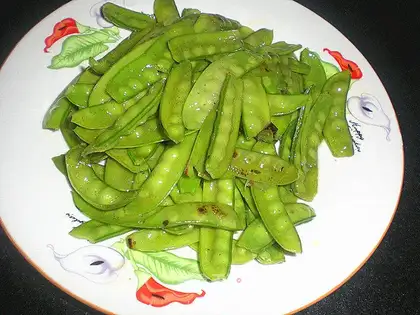
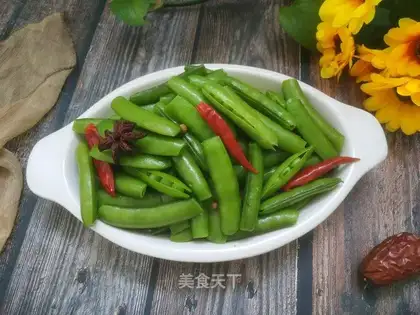
Pea pods, often overlooked in favor of their more mature counterparts, are a vibrant, versatile, and nutrient-dense vegetable that has been a staple in cuisines worldwide for centuries. Whether enjoyed fresh in salads, lightly steamed as a side dish, or incorporated into stir-fries and soups, these crisp, green pods offer a unique combination of flavor and health benefits. From their impressive nutritional profile to their potential role in disease prevention, pea pods are a true superfood. However, like all foods, they must be consumed mindfully to avoid potential risks. This article explores the nutritional value of pea pods, their health benefits, and important precautions to consider when including them in your diet.
I. Nutritional Value of Pea Pods
Pea pods, also known as snow peas or sugar snap peas (depending on the variety), are low in calories but packed with essential vitamins, minerals, fiber, and antioxidants. A 100-gram serving of raw pea pods contains approximately:
- Calories: 42 kcal
- Protein: 2.8 grams
- Dietary Fiber: 3.0 grams
- Vitamin C: 60 mg (100% of the Daily Value, DV)
- Vitamin K: 24.6 mcg (20% DV)
- Vitamin A: 670 IU (13% DV)
- Folate (Vitamin B9): 42 mcg (10% DV)
- Iron: 1.5 mg (8% DV)
- Potassium: 146 mg (3% DV)
- Manganese: 0.4 mg (18% DV)
1. Rich in Vitamins and Minerals
Pea pods are an exceptional source of vitamin C, a powerful antioxidant that boosts immune function, supports skin health by promoting collagen synthesis, and enhances iron absorption. They also provide vitamin K, essential for blood clotting and bone metabolism, and folate, which is critical for DNA synthesis and cell division, making particularly important during pregnancy.
The presence of vitamin A (in the form of beta-carotene) contributes to healthy vision, immune function, and skin integrity. Additionally, pea pods contain iron, a mineral vital for oxygen transport in the blood, and manganese, which acts as a cofactor for enzymes involved in antioxidant defense and bone formation.
2. High in Dietary Fiber
With 3 grams of fiber per 100-gram serving, pea pods are a valuable addition to a high-fiber diet. Fiber promotes digestive health by preventing constipation, supporting the growth of beneficial gut bacteria, and reducing the risk of diverticulitis. Soluble fiber, in particular, helps lower LDL ("bad") cholesterol levels and stabilize blood sugar, making pea pods a smart choice for individuals with diabetes or heart disease.
3. Antioxidant and Anti-Inflammatory Compounds
Pea pods are loaded with antioxidants, including flavonoids, phenolic acids, and carotenoids, which neutralize harmful free radicals and reduce oxidative stress. Chronic oxidative stress is linked to aging, cancer, and chronic diseases, so consuming antioxidant-rich foods like pea pods can help mitigate these risks.
Moreover, pea pods contain vitamin C and vitamin E, both of which work synergistically to protect cells from damage. Their anti-inflammatory properties may also help alleviate symptoms of conditions like arthritis and inflammatory bowel disease (IBD).
II. Health Benefits of Pea Pods
The nutrients in pea pods contribute to a wide range of health benefits, from improved digestion to enhanced heart health.
1. Supports Weight Management
Pea pods are low in calories but high in fiber and water content, which promotes satiety and reduces overall calorie intake. The fiber slows digestion, keeping you feeling full longer and curbing cravings for unhealthy snacks. This makes pea pods an ideal food for weight loss or weight maintenance diets.
2. Enhances Digestive Health
The fiber in pea pods adds bulk to stool and supports regular bowel movements, preventing constipation. Additionally, soluble fiber acts as a prebiotic, feeding beneficial gut bacteria (such as Bifidobacteria and Lactobacilli), which are essential for a healthy gut microbiome. A balanced microbiome is linked to better digestion, improved immunity, and even mental health.
3. Regulates Blood Sugar Levels
Pea pods have a low glycemic index (GI) of around 40, meaning they cause a gradual rise in blood sugar levels rather than a spike. The fiber in pea pods slows the absorption of sugars in the bloodstream, making them a suitable food for individuals with diabetes or insulin resistance. Studies suggest that regular consumption of high-fiber vegetables like pea pods can improve glycemic control and reduce the risk of type 2 diabetes.
4. Promotes Heart Health
The combination of fiber, potassium, and antioxidants in pea pods makes them heart-healthy. Fiber helps lower LDL cholesterol and triglycerides, while potassium regulates blood pressure by balancing sodium levels. Antioxidants reduce inflammation in blood vessels, preventing the formation of plaques that can lead to atherosclerosis (hardening of the arteries).
5. Strengthens Bones and Immunity
Pea pods are a good source of vitamin K, which is essential for bone mineralization and reduces the risk of osteoporosis. They also provide calcium and magnesium, two minerals that support bone density.
For immunity, the high vitamin C content in pea pods stimulates the production of white blood cells, which are the body’s primary defense against infections. Vitamin C also enhances the function of natural killer (NK) cells, which target viruses and cancer cells.
6. Supports Skin and Eye Health
The vitamin A and vitamin C in pea pods are beneficial for skin health. Vitamin A promotes cell turnover and prevents dryness, while vitamin C reduces wrinkles and protects against UV damage. The antioxidants in pea pods also combat free radicals that contribute to skin aging.
For eye health, vitamin A (as beta-carotene) helps prevent age-related macular degeneration (AMD) and cataracts by protecting the retina from oxidative damage.
III. Precautions and Potential Side Effects
While pea pods are highly nutritious, certain precautions should be taken to avoid adverse effects, particularly for individuals with specific health conditions.
1. FODMAP Sensitivity
Pea pods contain FODMAPs (Fermentable Oligosaccharides, Disaccharides, Monosaccharides, and Polyols), which are short-chain carbohydrates that can cause digestive discomfort in people with irritable bowel syndrome (IBS). For sensitive individuals, consuming large amounts of pea pods may lead to bloating, gas, or diarrhea. It is advisable to start with small portions and monitor tolerance.
2. Kidney Stones
Pea pods are moderately high in oxalates, compounds that can bind to calcium and form kidney stones in susceptible individuals. Those with a history of calcium oxalate kidney stones should limit their intake of pea pods and ensure adequate hydration to reduce the risk. Cooking pea pods can lower oxalate levels, making them safer for consumption.
3. Pesticide Residues
Conventionally grown pea pods may contain pesticide residues, which can be harmful with long-term exposure. To minimize risk, opt for organic pea pods or wash them thoroughly under running water before consumption. Peeling the pods can further reduce pesticide exposure.
4. Allergic Reactions
While rare, some individuals may be allergic to pea pods, especially those with a legume allergy (e.g., peanuts, lentils). Symptoms of an allergic reaction may include itching, hives, swelling, or difficulty breathing. If you suspect an allergy, discontinue consumption and consult a healthcare professional.
5. Blood Sugar Medications
Due to their fiber content, pea pods may enhance the effects of blood sugar-lowering medications (e.g., metformin or insulin). Individuals taking these medications should monitor their blood sugar levels closely to avoid hypoglycemia (low blood sugar).
IV. How to Incorporate Pea Pods into Your Diet
Pea pods are versatile and can be enjoyed in numerous ways:
- Raw: Add fresh pea pods to salads or as a crunchy snack.
- Steamed or Sautéed: Lightly cook pea pods with garlic, ginger, and a drizzle of olive oil for a simple side dish.
- Stir-Fries: Combine pea pods with other vegetables, tofu, or chicken for a quick and healthy meal.
- Soups and Stews: Add pea pods to soups for extra fiber and nutrients.
- Smoothies: Blend blanched pea pods into green smoothies for a nutrient boost.
Conclusion
Pea pods are a nutritional powerhouse that offers a wide range of health benefits, from improved digestion and heart health to enhanced immunity and skin vitality. Their low calorie, high fiber, and rich antioxidant content make them an excellent addition to a balanced diet. However, individuals with IBS, kidney stones, or legume allergies should consume them with caution. By incorporating pea pods into meals mindfully, you can harness their full potential while minimizing risks. So next time you’re at the grocery store, don’t overlook these humble green pods—they might just be the superfood your diet needs.