Winged bean (Psophocarpus tetragonolobus), also known as four-angled bean, asparagus pea, or goa bean, is a tropical legume celebrated for its unique four-sided pods, vibrant flowers, and exceptional nutritional profile. Often dubbed the "soybean of the tropics," this underutilized superfood has been a staple in traditional diets across Southeast Asia, Papua New Guinea, and Africa for centuries. Today, as global interest in nutrient-dense, sustainable foods grows, winged bean is gaining recognition for its versatility, health benefits, and potential to address malnutrition. This article explores the nutritional value, health-promoting properties, and important precautions associated with consuming winged bean.
I. Nutritional Value: A Nutrient-Rich Superfood
Winged bean earns its "superfood" status due to its impressive concentration of macronutrients, vitamins, minerals, and bioactive compounds. All parts of the plant—pods, seeds, leaves, flowers, and tubers—are edible, but the young pods and mature seeds are most commonly consumed.
1. Macronutrients: High-Quality Protein and Fiber
Winged bean is a powerhouse of plant-based protein, with seeds containing up to 35% protein—comparable to soybean. Unlike many plant proteins, it boasts a complete amino acid profile, including high levels of lysine, methionine, and tryptophan, which are often lacking in cereal grains. This makes it an excellent protein source for vegetarians, vegans, and populations relying on plant-based diets.
The pods and seeds are also rich in dietary fiber, with 100 grams of fresh pods providing approximately 4–5 grams of fiber. Fiber aids digestion, promotes gut health, and helps regulate blood sugar and cholesterol levels.
2. Vitamins: A Concentration of Essential Micronutrients
Winged bean is exceptional in its vitamin content, particularly fat-soluble vitamins and B-complex vitamins:
- Vitamin A (as beta-carotene): The pods and leaves are rich in beta-carotene, which the body converts to vitamin A. This nutrient is critical for vision, immune function, and skin health. Just 100 grams of fresh pods can meet over 50% of the daily recommended intake (DRI) for vitamin A.
- Vitamin C: A potent antioxidant, vitamin C supports immune health, collagen synthesis, and iron absorption. Winged bean pods contain around 15–20 mg of vitamin C per 100 grams, contributing to daily needs.
- Folate (Vitamin B9): Essential for DNA synthesis and cell division, folate is abundant in winged bean seeds, with 100 grams providing up to 110 micrograms—nearly 30% of the DRI. This makes it particularly valuable for pregnant women, as folate deficiency is linked to neural tube defects.
- Vitamin K: Important for blood clotting and bone metabolism, vitamin K is present in significant amounts in the leaves and pods.
3. Minerals: Building Blocks for Health
The mineral profile of winged bean is equally impressive, with high levels of calcium, iron, magnesium, and potassium:
- Calcium: Crucial for bone and teeth health, winged bean leaves and seeds contain more calcium than most vegetables (around 150–200 mg per 100 grams).
- Iron: With 2–3 mg of iron per 100 grams, winged bean is a valuable plant-based iron source, especially when consumed with vitamin C to enhance absorption.
- Magnesium: This mineral plays a role in over 300 enzymatic reactions, including muscle function and blood pressure regulation. Winged bean seeds provide approximately 50–60 mg of magnesium per 100 grams.
- Potassium: An electrolyte that balances fluids and supports heart health, winged bean pods contain about 200 mg of potassium per 100 grams.
4. Bioactive Compounds: Antioxidants and Phytochemicals
Winged bean is rich in antioxidants, including flavonoids, phenolic acids, and tannins, which combat oxidative stress and reduce inflammation. Studies have identified compounds like pterocarpans and glycosides, which exhibit antimicrobial and anti-cancer properties. Additionally, the plant contains isoflavones, similar to those in soy, which may help regulate hormone levels and support metabolic health.
II. Health-Promoting Properties: From Disease Prevention to Wellness
The diverse nutrient composition of winged bean translates to a range of health benefits, supported by both traditional use and modern scientific research.
1. Supports Cardiovascular Health
Winged bean’s fiber, potassium, and antioxidant content make it a heart-healthy food. Fiber helps lower LDL ("bad") cholesterol by binding to bile acids in the digestive system, while potassium counteracts the effects of sodium, reducing blood pressure. Flavonoids in the bean inhibit LDL oxidation, a key step in atherosclerosis development. Regular consumption may thus reduce the risk of heart disease and stroke.
2. Regulates Blood Sugar and Manages Diabetes
With a low glycemic index (GI) and high fiber content, winged bean is an ideal food for blood sugar control. Fiber slows carbohydrate digestion, preventing rapid spikes in blood glucose. Studies suggest that winged bean protein and polyphenols enhance insulin sensitivity, making it beneficial for individuals with type 2 diabetes. A 2018 study published in the Journal of Medicinal Food found that winged bean extract significantly reduced blood sugar levels in diabetic rats.
3. Enhances Immune Function
The combination of vitamin A, vitamin C, and antioxidants in winged bean strengthens the immune system. Vitamin A maintains the integrity of mucosal barriers (e.g., in the respiratory and digestive tracts), while vitamin C stimulates the production of white blood cells and antibodies. Antioxidants neutralize free radicals, reducing chronic inflammation that can impair immune response.
4. Promotes Digestive Health
Winged bean’s high fiber content supports a healthy gut by promoting regular bowel movements and feeding beneficial gut bacteria (probiotics). This helps prevent constipation, diverticulitis, and colorectal cancer. Additionally, the plant’s mucilage content (a gel-like substance) soothes the digestive tract, making it helpful for individuals with gastritis or irritable bowel syndrome (IBS).
5. Aids Weight Management
Low in calories (around 45–50 kcal per 100 grams of fresh pods) and high in fiber and protein, winged bean promotes satiety, reducing overall calorie intake. Protein also helps preserve muscle mass during weight loss, which is often lost when restricting calories. Its nutrient density ensures that even when consumed in moderation, it provides essential vitamins and minerals.
6. Supports Bone Health
Winged bean’s calcium, magnesium, vitamin K, and phosphorus content make it a boon for bone health. Calcium and phosphorus form the structural framework of bones, while magnesium aids calcium absorption and bone mineralization. Vitamin K activates osteocalcin, a protein that binds calcium to bones, reducing the risk of osteoporosis.
7. Anti-Cancer Potential
Preliminary studies suggest that winged bean’s bioactive compounds may inhibit cancer cell growth. Flavonoids and phenolic acids have been shown to induce apoptosis (programmed cell death) in breast, colon, and liver cancer cells in vitro. While more human trials are needed, the antioxidant and anti-inflammatory properties of winged bean contribute to its cancer-preventive potential.
III. Precautions and Potential Risks: Who Should Be Cautious?
While winged bean is highly nutritious, certain precautions must be taken to avoid adverse effects.
1. Raw or Undercooked Beans: Toxicity Risks
Like other legumes (e.g., kidney beans), raw or undercooked winged beans contain antinutrients and toxins that can cause digestive distress or poisoning. Key concerns include:
- Trypsin Inhibitors: These compounds interfere with protein digestion. Cooking inactivates trypsin inhibitors, making nutrients more bioavailable.
- Lectins: Raw seeds contain high levels of lectins, which can cause nausea, vomiting, and diarrhea. Boiling or steaming for at least 10–15 minutes eliminates lectins.
- Cyanogenic Glycosides: Present in small amounts, these compounds release cyanide when metabolized. Proper cooking (e.g., boiling) reduces cyanide levels to safe limits.
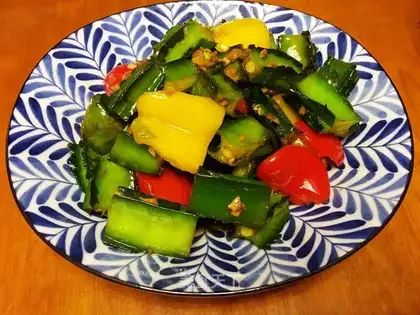
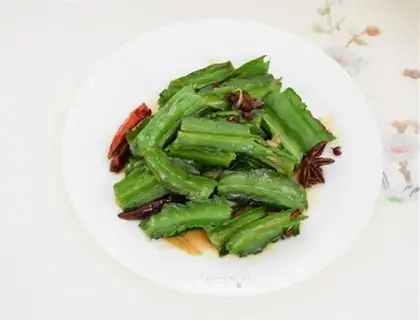
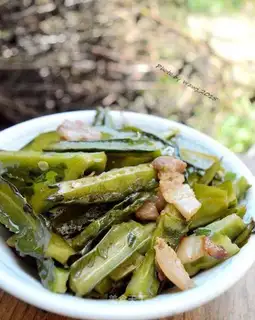
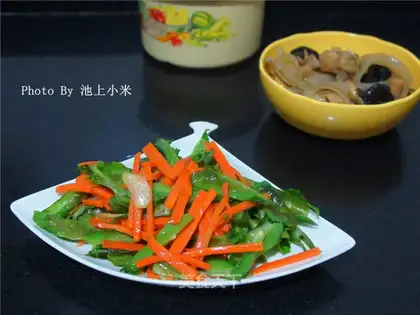
Recommendation: Always cook winged beans thoroughly before consumption. Young pods can be steamed, stir-fried, or boiled, while mature seeds should be soaked overnight and cooked like other beans.
2. Purine Content and Gout
Winged bean seeds are moderately high in purines, which break down into uric acid. Individuals with gout or a history of kidney stones should limit their intake, as high uric acid levels can trigger painful gout attacks or exacerbate kidney problems.
3. Allergic Reactions
Though rare, some people may be allergic to winged bean, particularly if they have a legume allergy (e.g., to peanuts or soy). Symptoms may include itching, hives, or difficulty breathing. Allergic individuals should avoid winged bean or consult a healthcare provider before consumption.
4. Medication Interactions
Winged bean’s high vitamin K content may interact with blood-thinning medications (e.g., warfarin), as vitamin K promotes blood clotting. Individuals taking such medications should maintain consistent vitamin K intake and consult a doctor before adding winged bean to their diet.
5. Pregnancy and Breastfeeding
While winged bean’s folate content is beneficial during pregnancy, excessive consumption of raw or undercooked beans poses risks. Pregnant women should ensure beans are thoroughly cooked and consume them in moderation. Limited data on breastfeeding safety suggests consulting a healthcare provider.
IV. Culinary Uses and Sustainability
Winged bean’s versatility extends to its culinary applications. Young pods have a crisp, sweet flavor reminiscent of green beans, while mature seeds are nutty and can be used like lentils or chickpeas. The tubers, when cooked, have a texture similar to potatoes, and the flowers and leaves can be added to salads or stir-fries.
From a sustainability perspective, winged bean is a low-maintenance crop that thrives in tropical and subtropical climates, fixing nitrogen in the soil and reducing the need for chemical fertilizers. Its fast growth and high yield make it a valuable resource for smallholder farmers, contributing to food security and biodiversity.
Conclusion
Winged bean is a nutritional and culinary treasure, offering a complete protein profile, essential vitamins and minerals, and potent bioactive compounds that support heart health, blood sugar regulation, and immune function. However, its safety hinges on proper cooking to eliminate antinutrients and toxins. As global demand for sustainable, nutrient-dense foods grows, winged bean has the potential to become a mainstream staple, bridging the gap between nutrition and environmental sustainability. By understanding its benefits and precautions, consumers can harness the power of this "superfood" to enhance their health and well-being.
In a world where malnutrition and diet-related diseases are prevalent, winged bean stands out as a humble yet mighty solution—proving that the most unassuming foods often hold the greatest promise for human health.