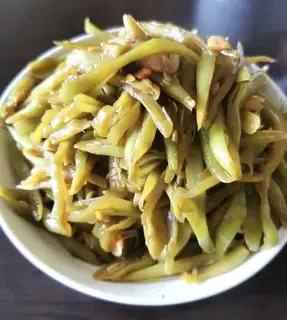
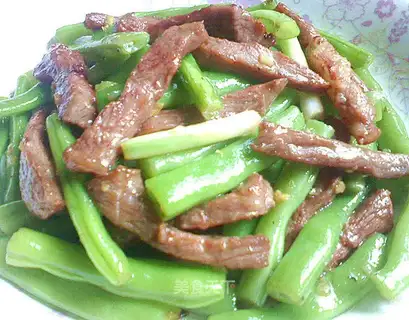
In the diverse world of legumes, few vegetables boast the unique combination of versatility, flavor, and nutritional benefits quite like the yardlong bean (Vigna unguiculata subsp. sesquipedalis), affectionately known as "dragon teeth beans" due to their striking appearance. Commonly cultivated across Asia, Africa, and warmer regions of the Americas, this slender, podded vegetable has been a staple in traditional cuisines for centuries. Beyond its culinary appeal, yardlong beans are a nutritional powerhouse, offering a wealth of vitamins, minerals, and bioactive compounds that support health and well-being. However, like all foods, they must be consumed mindfully to avoid potential risks. This article explores the nutritional profile, health benefits, and precautions associated with yardlong beans, providing a comprehensive guide for incorporating this superfood into a balanced diet.
I. Nutritional Profile: A Treasure Trove of Essential Nutrients
Yardlong beans are often overshadowed by more common legumes like green beans or chickpeas, but their nutritional composition sets them apart. Low in calories but rich in macronutrients, fiber, and micronutrients, they are an excellent addition to diets aimed at weight management, digestive health, and chronic disease prevention.
1. Macronutrients and Fiber
A 100-gram serving of raw yardlong beans contains approximately 35 calories, 2.5 grams of protein, 0.2 grams of fat, and 7 grams of carbohydrates, with 3 grams being dietary fiber. This high fiber content—comprising both soluble and insoluble fibers—makes them particularly beneficial for digestive health. Soluble fiber forms a gel-like substance in the gut, which slows digestion and helps regulate blood sugar levels, while insoluble fiber adds bulk to stool, promoting regularity and preventing constipation.
2. Vitamins: A Concentrated Source of Key Micronutrients
Yardlong beans are a standout source of several vitamins essential for bodily functions:
- Vitamin A (as beta-carotene): These beans are rich in beta-carotene, a precursor to vitamin A, which is critical for vision, immune function, and skin health. A 100-gram serving provides over 20% of the daily recommended intake (DRI) of vitamin A.
- Vitamin C: With approximately 18 milligrams per 100 grams, yardlong beans contribute to immune support, collagen synthesis, and antioxidant defense. While not as high as citrus fruits, their vitamin C content is notable for a non-citrus vegetable.
- Folate (Vitamin B9): Essential for DNA synthesis and cell division, folate is particularly important during pregnancy. Yardlong beans offer around 45 micrograms per 100 grams, or about 11% of the DRI.
- Vitamin K: Crucial for blood clotting and bone metabolism, these beans provide around 43 micrograms per 100 grams, covering over 30% of the DRI.
3. Minerals: Building Blocks for Health
The mineral content of yardlong beans further enhances their nutritional value:
- Iron: At 1.5 milligrams per 100 grams, they contribute to hemoglobin production and oxygen transport in the blood, making them a valuable plant-based iron source, especially when paired with vitamin C to enhance absorption.
- Magnesium: Involved in over 300 enzymatic reactions, magnesium supports muscle function, nerve signaling, and blood pressure regulation. Yardlong beans provide approximately 25 milligrams per 100 grams.
- Potassium: A key electrolyte for fluid balance and heart health, these beans contain around 140 milligrams per 100 grams, helping to counteract the effects of sodium-rich diets.
- Calcium: While not as high as dairy products, yardlong beans offer 40 milligrams per 100 grams, contributing to bone and teeth health.
4. Bioactive Compounds: Antioxidants and Phytochemicals
Beyond basic nutrients, yardlong beans are packed with bioactive compounds that exert protective effects on the body. They contain polyphenols, flavonoids, and anthocyanins, which combat oxidative stress by neutralizing free radicals. These antioxidants have been linked to reduced inflammation and a lower risk of chronic diseases such as heart disease, diabetes, and certain cancers. Additionally, yardlong beans are a source of saponins and phytic acid, compounds that may exhibit anti-inflammatory and antimicrobial properties, though their absorption of certain minerals (like iron and zinc) can be limited if not prepared properly.
II. Health Benefits: How Yardlong Beans Support Well-Being
The unique combination of nutrients and bioactive compounds in yardlong beans translates to a range of health benefits, from improved digestion to chronic disease prevention.
1. Enhances Digestive Health
The high fiber content of yardlong beans is a boon for digestive health. Fiber promotes the growth of beneficial gut bacteria, which play a role in immune function, metabolism, and even mood regulation. By preventing constipation and maintaining a healthy gut microbiome, these beans may reduce the risk of diverticulitis, hemorrhoids, and colorectal cancer.
2. Regulates Blood Sugar Levels
Yardlong beans are a low-glycemic index (GI) food, meaning they cause a gradual rise in blood sugar rather than a spike. This is attributed to their fiber and protein content, which slow the absorption of sugars in the bloodstream. For individuals with diabetes or those at risk of developing the condition, incorporating yardlong beans into meals can help improve insulin sensitivity and manage blood glucose levels.
3. Supports Heart Health
The heart-protective effects of yardlong beans stem from multiple nutrients:
- Potassium and Magnesium: These minerals help regulate blood pressure by counteracting the effects of sodium and relaxing blood vessel walls.
- Fiber: Soluble fiber binds to cholesterol in the digestive system, reducing its absorption and lowering LDL ("bad") cholesterol levels.
- Antioxidants: By reducing oxidative stress and inflammation, antioxidants help prevent the buildup of plaque in arteries (atherosclerosis), lowering the risk of heart attacks and strokes.
4. Boosts Immune Function
Yardlong beans are a rich source of vitamin C and vitamin A, both of which are critical for a healthy immune system. Vitamin C stimulates the production of white blood cells, which are responsible for fighting infections, while vitamin A maintains the integrity of mucosal barriers (such as those in the respiratory and digestive tracts), preventing pathogens from entering the body.
5. Aids in Weight Management
With their low calorie density and high fiber and protein content, yardlong beans are an ideal food for weight management. Fiber promotes satiety, reducing overall calorie intake, while protein helps preserve muscle mass during weight loss. Additionally, the slow digestion of complex carbohydrates in yardlong beans provides sustained energy, preventing the energy crashes that often lead to unhealthy snacking.
6. Promotes Skin and Eye Health
The beta-carotene content of yardlong beans is converted into vitamin A in the body, which is essential for skin cell turnover and repair. Vitamin A deficiency can lead to dry skin, acne, and delayed wound healing, making these beans a valuable addition to a skincare-focused diet. For eye health, vitamin A helps prevent age-related macular degeneration (AMD) and night blindness, while vitamin C’s antioxidant properties protect against UV damage and collagen breakdown.
III. Precautions and Potential Side Effects
While yardlong beans are highly nutritious, certain precautions must be taken to avoid adverse effects.
1. Lectins and Antinutrients
Raw or undercooked yardlong beans contain lectins and phytic acid, antinutrients that can interfere with the absorption of minerals like iron, zinc, and calcium and may cause digestive discomfort (e.g., bloating, nausea). To mitigate this, beans should be thoroughly cooked—boiling, steaming, or stir-frying for at least 10–15 minutes destroys most lectins and reduces phytic acid levels.
2. Oxalates and Kidney Stones
Yardlong beans contain oxalates, compounds that can contribute to the formation of kidney stones in susceptible individuals. Those with a history of kidney stones or oxalate-related issues should consume these beans in moderation and ensure adequate hydration to oxalate excretion.
3. Gout and Purines
Like other legumes, yardlong beans contain purines, which break down into uric acid in the body. High uric acid levels can trigger gout attacks in individuals with the condition. People with gout should limit their intake of purine-rich foods, including yardlong beans, and consult a healthcare provider for personalized advice.
4. Allergic Reactions
While rare, some individuals may be allergic to yardlong beans, experiencing symptoms such as itching, hives, or digestive upset. Those with known legume allergies (e.g., to peanuts or soy) should exercise caution when trying yardlong beans for the first time.
IV. Culinary Uses and Incorporation into the Diet
Yardlong beans are incredibly versatile in the kitchen and can be prepared in numerous ways to suit different cuisines and preferences. Common cooking methods include stir-frying, steaming, boiling, or pickling. They pair well with garlic, ginger, soy sauce, and chili, making them a staple in Asian dishes such as char kway teow (Malaysian stir-fried noodles) and sautéed gongura beans (Indian-style stir-fry). For a healthy side dish, try blanching yardlong beans and tossing them with olive oil, lemon juice, and herbs. They can also be added to soups, stews, or curries for an extra boost of fiber and nutrients.
When selecting yardlong beans, look for firm, crisp pods with vibrant green color and avoid those that are wilted, yellowed, or blemished. Store them in a plastic bag in the refrigerator for up to 5 days to maintain freshness.
Conclusion
Yardlong beans, or "dragon teeth beans," are a nutritional and culinary gem that offers a wide range of health benefits. From supporting digestive and heart health to boosting immunity and promoting weight management, their nutrient-dense profile makes them a valuable addition to any diet. However, proper preparation is key to maximizing their benefits and minimizing risks—always cook them thoroughly to destroy antinutrients and consume them in moderation if you have specific health concerns. Whether stir-fried, steamed, or pickled, these versatile beans can elevate both the flavor and nutritional value of meals, proving that good health can indeed be delicious. By incorporating yardlong beans into a balanced diet, individuals can harness their power to achieve optimal well-being while enjoying a taste of global cuisine.