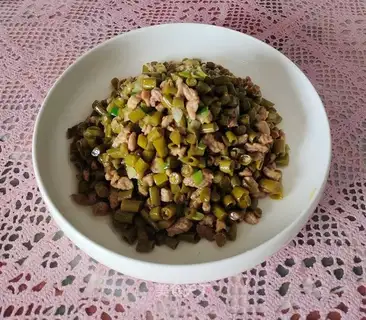
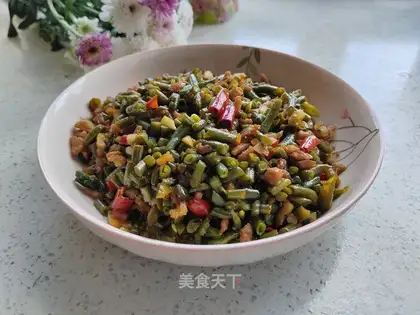
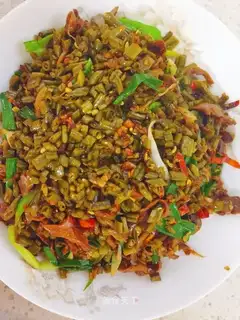
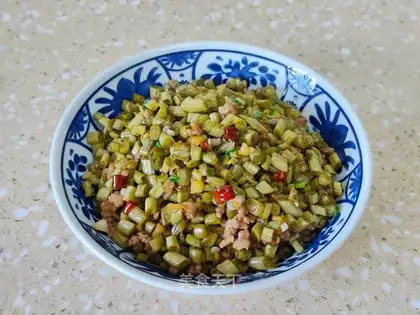
Pickled mustard greens, known as suancai in Mandarin or zha cai in Sichese, are a staple in Asian cuisine, particularly in China, Korea, and Japan. These tangy, crunchy fermented vegetables have been consumed for centuries, not only for their bold flavor but also for their impressive nutritional profile and potential health benefits. However, like all fermented foods, they come with both advantages and considerations. This article explores the nutritional value of pickled mustard greens, their health benefits, and important precautions to ensure safe consumption.
Nutritional Value of Pickled Mustard Greens
Pickled mustard greens are made by salting and fermenting the stems or leaves of the mustard plant (Brassica juncea), a cruciferous vegetable related to broccoli, kale, and cabbage. This fermentation process not only preserves the vegetable but also enhances its nutritional content, making it a rich source of vitamins, minerals, probiotics, and antioxidants.
1. Vitamins and Minerals
Mustard greens are inherently nutrient-dense, and fermentation amplifies their bioavailability. A 100-gram serving of pickled mustard greens typically contains:
- Vitamin K: Essential for blood clotting and bone health, fermented mustard greens provide up to 30% of the daily recommended intake (DRI).
- Vitamin C: A powerful antioxidant, vitamin C supports immune function and skin health. Fermentation increases its concentration, with one serving offering 15–20% of the DRI.
- Vitamin A: In the form of beta-carotene, this vitamin is crucial for vision, immune health, and cell growth.
- B Vitamins: Fermentation boosts B vitamins like folate (B9), which aids DNA synthesis and cell division.
- Minerals: Pickled mustard greens are rich in potassium (for blood pressure regulation), calcium (for bone health), iron (for anemia prevention), and magnesium (for muscle and nerve function).
2. Probiotics and Gut Health
The fermentation process is driven by lactic acid bacteria (LAB), such as Lactobacillus and Bifidobacterium, which convert natural sugars into lactic acid. These probiotics are beneficial for gut health:
- They balance gut microbiota, promoting the growth of beneficial bacteria while inhibiting harmful pathogens.
- Probiotics enhance digestion by breaking down complex carbohydrates and improving nutrient absorption.
- Studies suggest they may alleviate symptoms of irritable bowel syndrome (IBS) and reduce inflammation in the gut.
3. Antioxidants and Phytochemicals
Mustard greens contain glucosinolates—sulfur compounds unique to cruciferous vegetables—which break down into bioactive compounds like isothiocyanates during fermentation. These compounds have potent antioxidant and anti-inflammatory properties:
- Isothiocyanates: They neutralize free radicals, reducing oxidative stress linked to chronic diseases like cancer and heart disease.
- Flavonoids: Antioxidants like quercetin and kaempferol in pickled mustard greens protect cells from damage and support cardiovascular health.
4. Low in Calories, High in Fiber
Pickled mustard greens are low in calories (around 20–30 kcal per 100 grams) but high in dietary fiber. Fiber promotes satiety, aids weight management, and prevents constipation by adding bulk to stool.
Health Benefits of Pickled Mustard Greens
The combination of vitamins, probiotics, and antioxidants in pickled mustard greens contributes to several health benefits, making them a valuable addition to a balanced diet.
1. Supports Digestive Health
The probiotics in pickled mustard greens are perhaps their most well-documented benefit. A healthy gut microbiome is linked to improved digestion, reduced bloating, and enhanced immune function. For individuals with lactose intolerance or antibiotic-induced gut dysbiosis, fermented foods like pickled mustard greens can help restore microbial balance.
2. Boosts Immune Function
Vitamin C and probiotics in pickled mustard greens work synergistically to strengthen the immune system. Vitamin C stimulates the production of white blood cells, while probiotics prevent pathogens from colonizing the gut, reducing the risk of infections.
3. Promotes Heart Health
Pickled mustard greens support cardiovascular health in multiple ways:
- Potassium: Helps regulate blood pressure by counteracting the effects of sodium.
- Antioxidants: Reduce oxidative stress in blood vessels, preventing atherosclerosis (plaque buildup in arteries).
- Fiber: Lowers LDL (“bad”) cholesterol levels, reducing the risk of heart disease.
4. Aids in Weight Management
Low in calories and high in fiber and water content, pickled mustard greens are a filling food that can help control appetite. The tangy flavor also adds taste to meals without the need for high-calorie sauces, making them a smart choice for weight loss or maintenance.
5. May Reduce Cancer Risk
Cruciferous vegetables like mustard greens are rich in glucosinolates, which convert to isothiocyanates during fermentation. These compounds have been shown to inhibit the growth of cancer cells, particularly in the colon, breast, and prostate. They also activate detoxification enzymes in the liver, helping to eliminate carcinogens.
6. Strengthens Bones
Vitamin K and calcium in pickled mustard greens are critical for bone health. Vitamin K improves calcium absorption and reduces urinary calcium loss, while calcium provides the structural framework for bones. Regular consumption may help prevent osteoporosis, especially in postmenopausal women.
Precautions and Potential Risks
While pickled mustard greens offer numerous health benefits, their high sodium content and fermentation process require careful consideration, particularly for certain individuals.
1. High Sodium Content
Pickling involves large amounts of salt, which preserves the vegetable but increases sodium levels. A 100-gram serving of pickled mustard greens can contain 1,500–2,500 mg of sodium, exceeding the American Heart Association’s recommendation of less than 2,300 mg per day (and ideally 1,500 mg for those with hypertension).
- Risk: Excessive sodium intake can raise blood pressure, increasing the risk of heart disease, stroke, and kidney problems.
- Mitigation: Consume pickled mustard greens in moderation (1–2 servings per week) and pair them with low-sodium foods like fresh vegetables, whole grains, and lean proteins.
2. Fermentation and Histamine
Fermented foods naturally contain histamine, a compound that can trigger allergic reactions in sensitive individuals. Symptoms may include headaches, hives, or digestive upset.
- Risk: People with histamine intolerance or mast cell activation syndrome (MCAS) should avoid or limit pickled mustard greens.
- Mitigation: Opt for freshly fermented (not aged) varieties, which tend to have lower histamine levels.
3. Nitrites and Cancer Concerns
Like other fermented vegetables, pickled mustard greens may contain small amounts of nitrites, which can form nitrosamines—carcinogenic compounds—in the presence of high heat (e.g., during cooking).
- Risk: Regular consumption of nitrite-rich foods has been linked to an increased risk of stomach cancer.
- Mitigation: Avoid frying or grilling pickled mustard greens; instead, eat them raw or lightly steamed. Choose organic or traditionally fermented varieties, which may have lower nitrite levels.
4. Interactions with Medications
The high vitamin K content in pickled mustard greens can interfere with blood-thinning medications like warfarin. Vitamin K promotes blood clotting, while warfarin inhibits it.
- Risk: Sudden changes in vitamin K intake can reduce the effectiveness of warfarin, increasing the risk of blood clots or bleeding.
- Mitigation: Individuals taking warfarin should maintain consistent vitamin K intake and consult their doctor before adding pickled mustard greens to their diet.
5. Not Suitable for Everyone
Pickled mustard greens may not be appropriate for:
- People with hypertension or kidney disease: Due to their high sodium content.
- Pregnant women: Some traditionally fermented varieties may listeria contamination, though commercially produced pickled mustard greens are generally safe.
- Individuals with gastritis or ulcers: The high acidity and salt content can irritate the stomach lining.
Conclusion
Pickled mustard greens are a nutritional powerhouse, offering a wealth of vitamins, minerals, probiotics, and antioxidants that support digestive health, immune function, heart health, and more. However, their high sodium and histamine levels, as well as potential nitrite formation, require mindful consumption. For most people, enjoying pickled mustard greens in moderation—as part of a balanced diet rich in fresh fruits, vegetables, and whole grains—can provide significant health benefits without adverse effects. By understanding both their advantages and precautions, individuals can harness the power of this traditional fermented food while minimizing risks. Whether added to stir-fries, soups, or salads, pickled mustard greens are a flavorful and functional addition to a healthy lifestyle.